


Guide to Transferring Assets to the Polygon Network

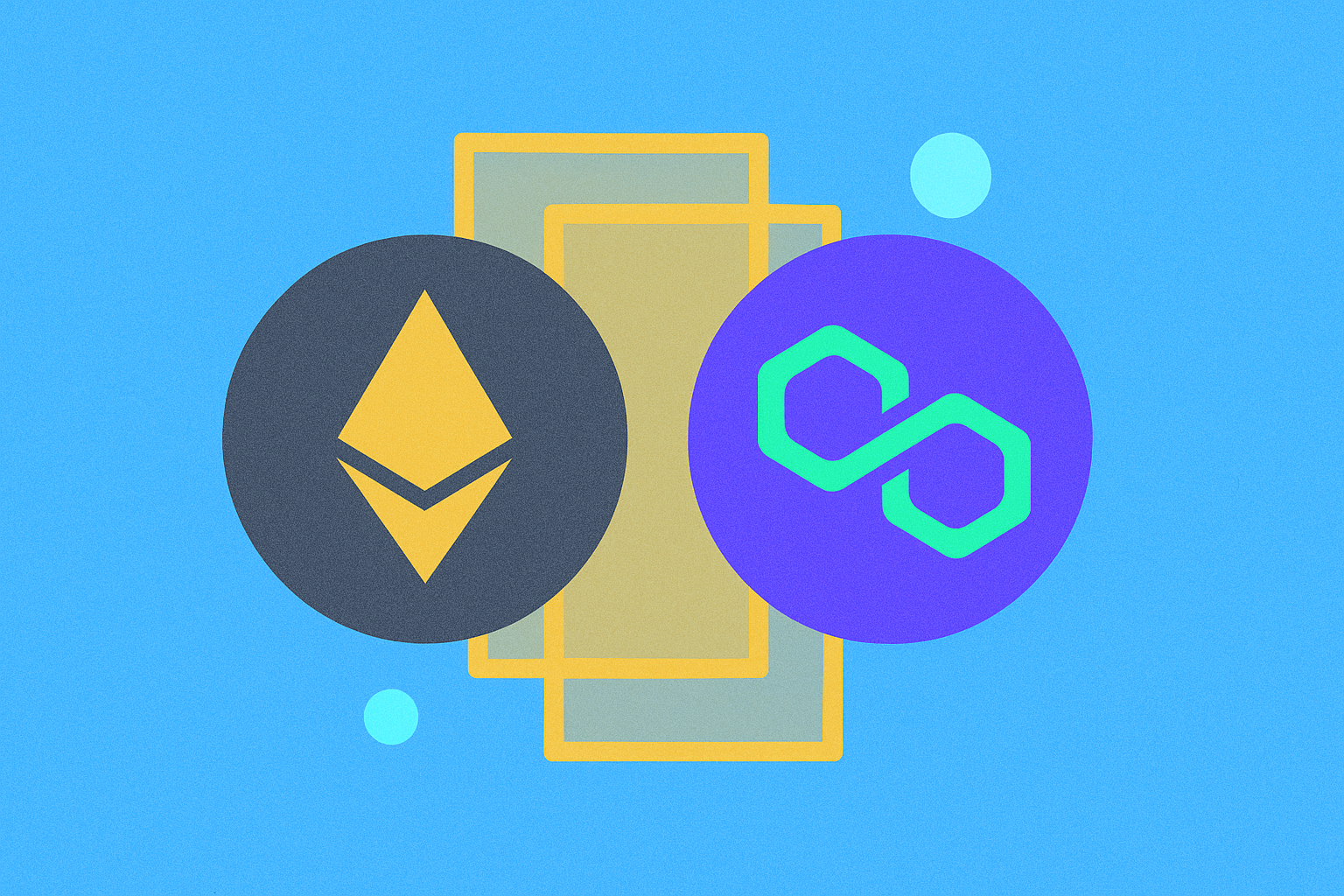
How to bridge to Polygon
Introduction to Polygon and blockchain bridging
Blockchain bridging is a fundamental technology that enables interoperability between different blockchain networks. In the cryptocurrency ecosystem, blockchains traditionally operate as isolated systems with their own native tokens and protocols, unable to communicate or transfer assets directly with other chains. Blockchain bridging solves this limitation by creating pathways for digital asset transfers across multiple chains.
Polygon blockchain represents a significant advancement in blockchain technology as an Ethereum-compatible chain that offers superior speed and efficiency compared to the Ethereum mainnet. The primary advantage of Polygon lies in its substantially lower transaction fees, which are typically a fraction of Ethereum's gas costs. This cost-effectiveness makes Polygon an ideal platform for various applications, including decentralized finance (DeFi) protocols, blockchain gaming, non-fungible token (NFT) marketplaces, and numerous other use cases. To participate in the Polygon ecosystem and leverage these benefits, users must understand how to use a Polygon bridge to transfer their assets from Ethereum and other blockchain networks to Polygon, utilizing MATIC as the native token for network operations.
Preparing for bridging: wallet and asset selection
Before initiating the bridging process from Ethereum to Polygon, proper preparation is essential. This preparation involves two critical components: selecting an appropriate wallet and understanding the assets you'll be transferring.
When choosing a wallet for Polygon bridge operations, security and multi-chain compatibility are paramount considerations. A reliable Web3 wallet with robust security infrastructure and comprehensive multi-chain support is essential. Quality wallets employ bank-level security measures to protect digital assets like BTC and other cryptocurrencies for indefinite periods. Additionally, they provide seamless access to various decentralized applications (DApps) and NFT marketplaces, making them versatile tools for blockchain interactions.
Regarding asset selection, users must ensure they possess the native tokens of both the source and destination chains. For Ethereum-to-Polygon transfers, you'll need ETH to pay for the initial transaction on the Ethereum network. While MATIC (Polygon's native token) isn't required for the bridging transaction itself, you'll need MATIC to interact with your bridged assets once they arrive on Polygon. Furthermore, it's crucial to verify that the specific digital asset you wish to transfer is supported on both chains. A practical approach is to check the supported asset list on your chosen Polygon bridge service before initiating any cryptocurrency bridging operation.
Exploring bridge services
The cryptocurrency bridging landscape offers two primary categories of services: decentralized and centralized bridges, each with distinct advantages and use cases.
Decentralized bridge services represent the most common method for cross-chain asset transfers. Polygon Portal, developed by the Polygon Foundation, stands as the most popular and trusted ETH-to-Polygon bridge solution. This Polygon bridge has established itself as a safe and reliable option for users seeking to move assets between Ethereum and Polygon, with MATIC serving as the destination chain's native currency. Alternative decentralized bridges include various cross-chain protocols and services that offer advanced controls and features for users requiring more sophisticated bridging options. Cross-chain swap and bridge aggregators collect pricing data from numerous decentralized platforms to provide users with the most efficient transfer routes, effectively minimizing both slippage and transaction fees.
Centralized bridge services offer a more straightforward approach to asset bridging through established cryptocurrency platforms. Using major exchange platforms, users can deposit assets via one blockchain network and withdraw them through another, effectively bridging their assets. For example, to bridge USDT from Ethereum to Polygon using a centralized platform, users would create an account, deposit USDT using the ERC20 network, wait for confirmation, and then withdraw the same USDT using the Polygon network. This method eliminates concerns about slippage and reduces the complexity of managing network fees, making it an accessible option for users who prefer simplicity and reliability.
Bridging process: a step-by-step guide
The actual bridging process involves several carefully orchestrated steps to ensure successful asset transfer from Ethereum to Polygon. Using Polygon Portal as an example with a compatible Web3 wallet demonstrates the typical workflow for decentralized bridging.
The process begins by connecting your wallet to the Polygon bridge service. Users navigate to Polygon Portal, click "Connect Wallet," select their preferred wallet option, and authenticate by entering their wallet password. Once connected, the transfer process can commence. Users select "Bridge" and carefully fill in the transfer details, including the source chain (Ethereum), the token type (ETH), the transfer amount, and the destination chain (Polygon POS). An optional but recommended feature is the "Refuel gas" option, which converts a portion of ETH to MATIC, ensuring users have the native token needed for subsequent transactions on Polygon. After reviewing all parameters, users confirm the transaction through both the bridge interface and their wallet, initiating the cross-chain transfer.
Alternatively, decentralized cross-chain bridging aggregators provide solutions that source the best rates from multiple bridges. Users connect their wallet, set Ethereum as the source chain with their desired ETH amount, select Polygon as the destination chain with WETH (Wrapped ETH) as the receiving token, and can optionally adjust advanced parameters like slippage tolerance and routing. Upon confirmation, the platform automatically executes the Polygon bridge transaction through the most efficient pathway available, with MATIC ready for use on the destination network.
Understanding fees and timelines
Bridging operations involve multiple fee components and various time considerations that users should understand before initiating transfers through a Polygon bridge.
The fee structure for decentralized bridging encompasses several distinct charges. Ethereum gas fees represent the cost of executing transactions on the Ethereum network, which can vary significantly based on network congestion. Bridge service fees compensate the platform facilitating the transfer, such as Polygon Portal's operational costs. Polygon transaction fees, paid in MATIC, cover the cost of finalizing the transaction on the destination chain, though these are typically minimal due to Polygon's efficiency. Additionally, conversion fees apply when assets must be wrapped or converted to function on the destination chain, such as converting ETH to WETH (Wrapped ETH). Most reputable Polygon bridge platforms provide detailed fee breakdowns before transaction confirmation, allowing users to make informed decisions.
Transaction timelines depend on multiple factors across different stages of the bridging process. Ethereum confirmation time varies based on the gas fee paid and current network congestion, typically taking from several seconds to a few minutes. Bridge processing time represents the duration required for the Polygon bridge service to facilitate the cross-chain transfer, which varies by service and current usage levels. Polygon blockchain confirmation time is generally very fast, often completing within seconds due to Polygon's high-performance architecture. Users should expect total bridging times ranging from several minutes to potentially longer periods during high-traffic situations, after which they can utilize their MATIC and other bridged assets.
Security measures and best practices
Security considerations are paramount when engaging with cryptocurrency bridges, as these platforms require smart contract access to user wallets and funds.
To maintain secure transactions through a Polygon bridge, users should exclusively utilize reputable bridge services with established track records, such as Polygon Portal, which has demonstrated long-term reliability in the market. It's advisable to use a separate cold wallet specifically for interacting with bridges and DApps, rather than your primary storage wallet containing significant holdings. After completing bridging operations, users should employ tools like Revoke to remove smart contract permissions from their wallets, minimizing ongoing security exposure. For users seeking additional security assurance, major cryptocurrency platforms offer an alternative approach, as leading exchanges implement world-class security measures, maintain proof of reserves, and provide institutional-grade protection for user funds.
Common pitfalls to avoid include failing to thoroughly review transaction details before confirmation, as blockchain transactions are irreversible once executed. Users should monitor Ethereum gas fees, particularly during periods of high network congestion, and consider waiting for lower fee periods or using centralized platforms when fees become prohibitively expensive. Slippage and liquidity concerns merit attention as well—bridging through less popular services or dealing with low-liquidity assets can result in unfavorable exchange rates. Selecting Polygon bridge platforms with deep liquidity and bridging well-established assets like MATIC helps mitigate these risks.
Troubleshooting and support
Despite careful preparation, users may encounter issues during the Polygon bridge process that require troubleshooting and support.
Common bridging issues include transactions becoming stuck or delayed. The primary user-controlled factor affecting Ethereum transactions is the gas fee—insufficient gas will cause transaction failure, though funds typically return to the sender's wallet. Transactions can also experience delays when Polygon bridge services face congestion, but reputable platforms are designed to handle these situations, and transactions will eventually complete, albeit with extended timeframes requiring patience.
Cross-chain compatibility issues arise when users attempt to bridge assets without verifying adequate MATIC liquidity on the destination chain or ensuring the asset functions properly on the target blockchain. Always confirm these factors before initiating transfers through a Polygon bridge.
When problems occur, the cryptocurrency community offers extensive support resources. For Polygon Portal-specific issues, users can visit Polygon Support to search FAQ documentation for solutions to common problems or submit support tickets for personalized assistance. Most reputable Polygon bridge providers maintain comprehensive support systems. Users should exercise caution to only use official support channels and documentation, as fraudulent support links represent a common attack vector in the cryptocurrency space.
Conclusion
Bridging assets from Ethereum to Polygon represents an essential skill for cryptocurrency users seeking to leverage Polygon's advantages of lower fees and faster transaction speeds. The process involves careful preparation through proper wallet selection and asset verification, choosing between decentralized Polygon bridge solutions like Polygon Portal or cross-chain aggregators and centralized platform-based solutions using deposit and withdrawal methods. Understanding the fee structures, transaction timelines, and security considerations enables users to bridge safely and efficiently, with MATIC serving as the native token for network operations. While the process may seem complex initially, following established best practices, avoiding common pitfalls, and utilizing available support resources ensures successful cross-chain asset transfers through a Polygon bridge. As blockchain interoperability continues to evolve, mastering Polygon bridge techniques opens access to diverse ecosystems and opportunities across multiple blockchain networks, with MATIC and Polygon infrastructure playing central roles in the multi-chain future.
FAQ
Is Polygon bridged the same as Polygon?
No, Polygon bridged tokens are not the same as native Polygon tokens. Bridged tokens are locked on Ethereum and minted on Polygon, while native tokens originate on the Polygon network.
Is Polygon (MATIC) a good investment?
Yes, Polygon (MATIC) shows strong potential as a long-term investment. Its innovative scaling solutions and growing ecosystem make it a promising asset in the Web3 space.
What is the Polygon bridge?
The Polygon bridge enables fast, cost-effective, and secure asset transfers between blockchains, including ERC-20 tokens from Ethereum to Polygon. It utilizes low gas fees to reduce user costs.
Do I need to swap my matic for pol?
No, you don't need to swap MATIC for POL. The migration is automatic if you hold MATIC on supported platforms before the migration date.
Share
Content
How to Buy Cryptocurrency


Trending Cryptocurrencies



XZXX: A Comprehensive Guide to the BRC-20 Meme Token in 2025
Bitcoin Fear and Greed Index: Market Sentiment Analysis for 2025

Top Crypto ETFs to Watch in 2025: Navigating the Digital Asset Boom

5 ways to get Bitcoin for free in 2025: Newbie Guide
Bitcoin Market Cap in 2025: Analysis and Trends for Investors

2025 Bitcoin Price Prediction: Trump's Tariffs' Impact on BTC
What is EUL: Understanding End User License Agreements and Their Impact on Software Usage
What is LA: A Comprehensive Guide to Los Angeles' Culture, History, and Modern Identity
What is ARRR: A Comprehensive Guide to the Privacy-Focused Cryptocurrency and Its Revolutionary Features
What is SAHARA: A Comprehensive Guide to the World's Largest Hot Desert
What is API3: A Comprehensive Guide to the Decentralized Oracle Network
