Blockchain networks are usually designed as closed systems, which means they cannot directly access off-chain data or the state of other blockchains. This limitation forces smart contracts to rely on additional oracle or bridging mechanisms when handling real-world data, price information, or cross-chain interactions, introducing new trust assumptions and security risks.
Against this backdrop, Flare Network offers a different approach from traditional oracles by embedding data acquisition capabilities directly into the network protocol layer. Its data protocols are not limited to price feeds. They also extend to cross-chain state verification, allowing Flare to function as a “data layer” within blockchain infrastructure and provide foundational support for multichain applications.
The Overall Role of Flare Data Protocols
Flare’s data acquisition mechanism is designed to solve two core problems: how to provide smart contracts with reliable off-chain data, and how to securely obtain state information from other blockchains.
Traditional solutions usually rely on independent oracle networks to complete these tasks. Flare, by contrast, makes data access a native network function and turns it into part of the blockchain itself. This design reduces dependence on external systems while improving data composability and consistency.
What Is FTSO
FTSO, or Flare Time Series Oracle, is Flare’s time-series oracle system. It is used to provide dynamic data such as prices.
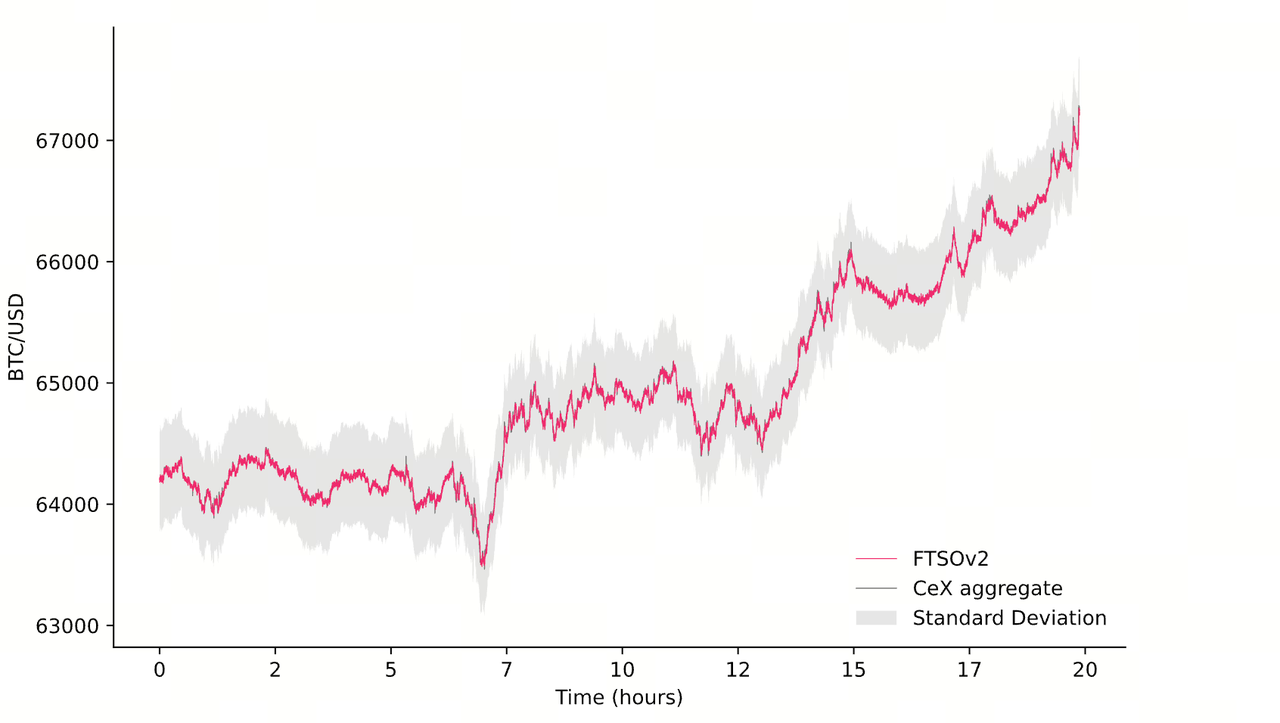
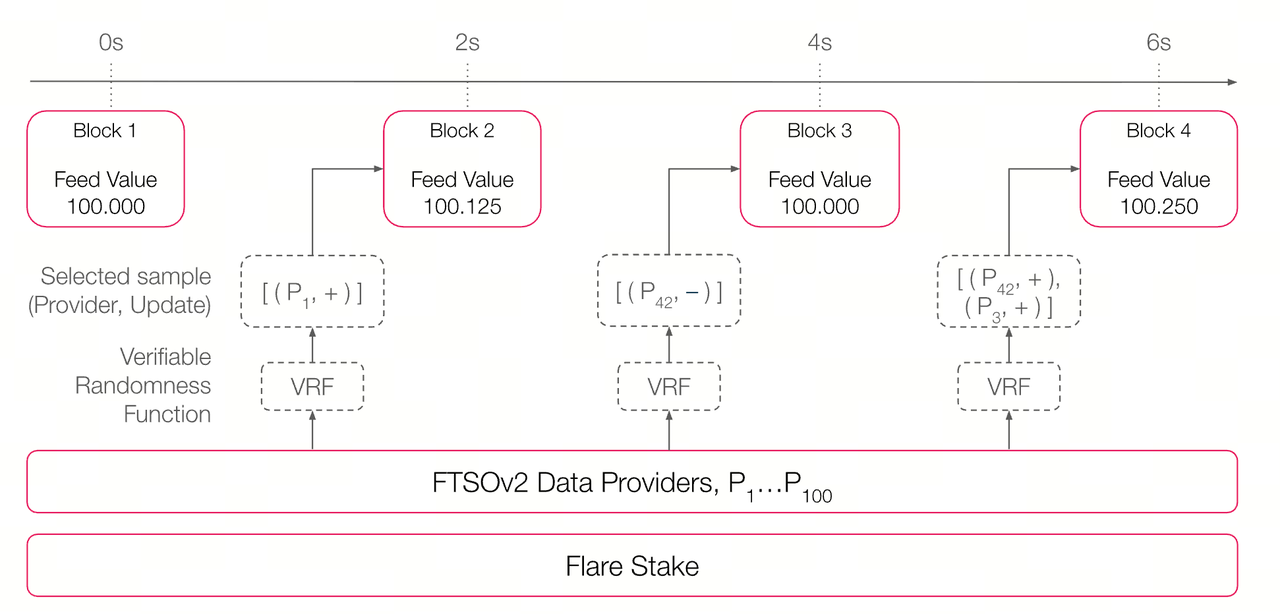
Under this mechanism, network participants submit data estimates, such as asset prices. The system then performs weighted aggregation based on the submitted results and produces the final data output. Data providers are rewarded according to the accuracy of their submissions, creating an incentive-driven model for data supply.
Unlike traditional oracles, FTSO is not an external service. It is part of the Flare network, and its operation depends directly on on-chain consensus and incentive mechanisms.
What Is Flare Data Connector (FDC)
Flare Data Connector (FDC) is Flare’s core component for acquiring and verifying external states.
Its role is to prove that a specific event or piece of data truly occurred on another blockchain or in an external system. Examples include whether a transaction has been completed, or whether an account meets certain conditions.
Through a distributed verification process, this mechanism converts external information into on-chain verifiable data, allowing smart contracts to execute logic based on real events.
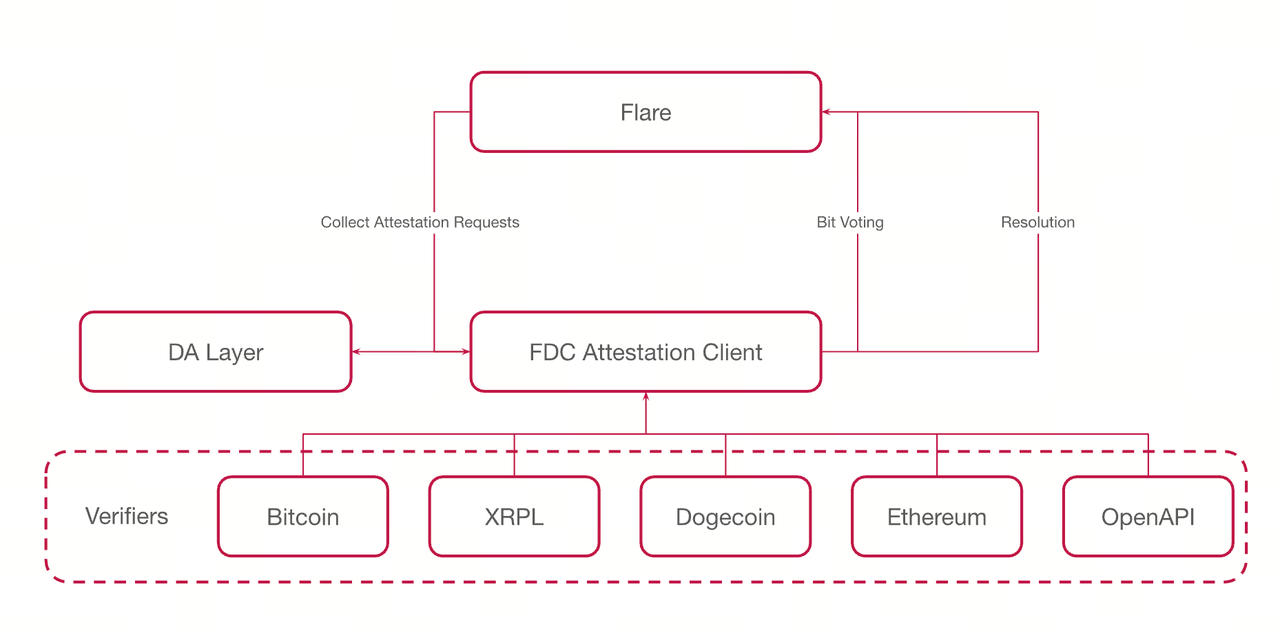
FDC architecture, source: Flare Network
How Flare Data Is Verified and Aggregated
In Flare’s data system, different types of data are handled through different mechanisms.
FTSO focuses on continuous data, such as prices. Its core process includes data submission, outlier filtering, and weighted average calculation. FDC handles discrete events, such as transaction states, and uses multi-party verification to ensure data authenticity.
Together, these two mechanisms complement each other, giving Flare the ability to process both “continuously changing data” and “event-based data.”
How Flare Differs from Traditional Oracles
Flare’s data mechanism differs significantly from traditional oracles.
Traditional oracles usually operate as independent networks, relying on external nodes to provide data to blockchains. Flare embeds data protocols directly into the network, making data acquisition part of the blockchain itself.
The impact of this difference includes:
Flare Use Cases
Flare’s data acquisition mechanism supports a wide range of application scenarios.
In DeFi, FTSO can provide real-time prices for lending and liquidation. In cross-chain applications, FDC can verify asset states. Across broader Web3 use cases, these mechanisms support the creation of smart contracts that depend on real-world data.
Through these capabilities, Flare provides infrastructure support for data-driven applications.
Conclusion
Flare’s data acquisition mechanism combines FTSO and FDC to build a native data protocol system.
This design enables blockchains to directly access price data and cross-chain states, reducing reliance on external oracles while improving system security and composability.
As the multichain ecosystem continues to develop, this model of embedding data capabilities into the network offers a new direction for the evolution of blockchain infrastructure.
FAQs
What Is the Main Role of FTSO?
FTSO is used to provide decentralized time-series data, such as crypto asset prices, and is a core component of Flare’s data system.
What Data Can FDC Verify?
FDC can verify events from other blockchains or external systems, such as whether a transaction occurred or whether an account state meets certain conditions.
Does Flare Completely Eliminate the Need for Oracles?
Flare still uses an oracle mechanism, but its oracle, FTSO, is embedded within the network rather than operating as an external independent service.
Is FTSO Data Reliable?
FTSO improves data accuracy through multi-party submissions and incentive mechanisms, while its aggregation process helps reduce the impact of outliers.
Why Do Data Protocols Need to Be Embedded into the Blockchain?
Embedding data protocols can reduce trust dependencies, improve security, and turn data into composable on-chain resources.







