Хоча обидві компанії працюють у сфері виробництва шин, Goodyear і Michelin суттєво відрізняються за продуктовою стратегією, географією ринків і моделями отримання прибутку. У шинній галузі конкурентоспроможність визначається не лише виробничими потужностями, а й впливом бренду, дистрибуційними мережами та сервісними системами. Відмінності в бізнес-моделях впливають на структуру доходів, ринкову частку та довгострокову траєкторію зростання, тому їхнє розуміння дає змогу отримати повніше уявлення про конкурентний ландшафт глобальної шинної індустрії.
Визначення GT і Michelin
GT (Goodyear) і Michelin — два найвідоміші гравці світової шинної промисловості. Обидві компанії мають понад сторічну історію та обслуговують глобальний автомобільний ланцюг постачання. Хоча виробництво шин є основним напрямком для обох, вони кардинально відрізняються за ринковим позиціонуванням, брендовою стратегією та бізнес-моделлю, що робить їх частим об'єктом порівняння серед інвесторів і галузевих аналітиків.
Goodyear засновано 1898 року, штаб-квартира розташована в США. Це один із найвпливовіших шинних брендів Північної Америки. Бізнес Goodyear охоплює шини для легкових автомобілів, позашляховиків, легких вантажівок, комерційного транспорту та авіації. Його бізнес-модель базується на подвійній стратегії: ринок оригінального обладнання (OEM) і ринок замінних шин. Широкий асортимент продукції та розвинена дистрибуційна мережа дозволяють Goodyear одночасно обслуговувати автовиробників, логістичні компанії та кінцевих споживачів.
Michelin засновано 1889 року, штаб-квартира розташована у Франції. Це один із найбільших виробників шин у світі. Порівняно з Goodyear, Michelin приділяє більше уваги преміальному позиціонуванню бренду та технологічним інноваціям. Її продукція широко використовується в люксових автомобілях, високопродуктивних транспортних засобах, комерційному транспорті та спеціалізованих промислових сферах. Крім продажу шин, Michelin активно розвиває напрямки керування автопарками, цифрові сервіси та рішення для мобільності, прагнучи підвищити загальну прибутковість за рахунок сервісних пропозицій.
З точки зору загального позиціонування, Goodyear робить ставку на ринкове охоплення та масштабні продажі, тоді як Michelin зосереджується на преміальності бренду та високоцінних послугах. Обидві компанії є ключовими гравцями глобальної шинної галузі, але їхня логіка зростання та конкурентні переваги відрізняються, що зумовлює різні продуктові структури, ринкові стратегії та бізнес-моделі.
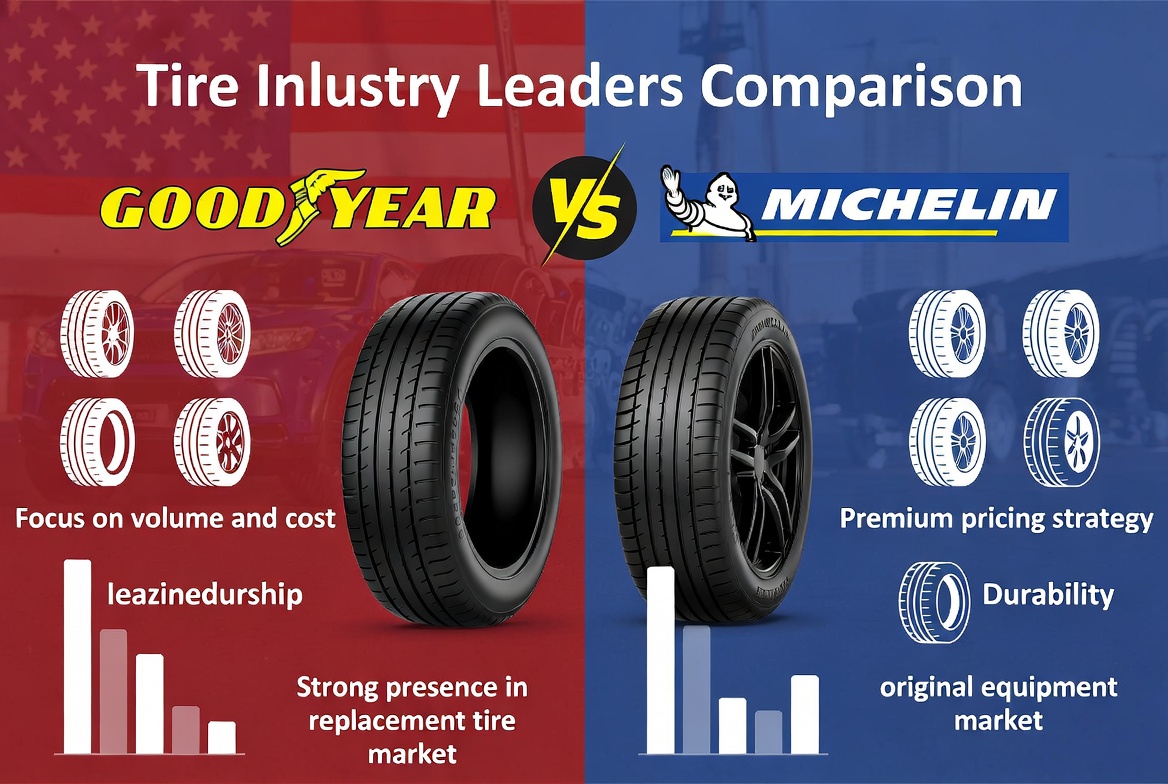
Відмінності в продуктовій структурі між GT і Michelin
З точки зору продуктової структури, і Goodyear, і Michelin охоплюють ринки легкових і комерційних автомобілів, але їхні пріоритетні напрямки відрізняються.
Goodyear застосовує більш збалансовану продуктову стратегію, обслуговуючи як масовий споживчий ринок, так і комерційний транспорт та авіацію. Її продуктовий портфель орієнтований на широке охоплення та ринковий масштаб, задовольняючи потреби різних цінових категорій і сценаріїв використання.
Michelin натомість зосереджується на високопродуктивних шинних ринках із високою доданою вартістю. Незалежно від того, чи це люксові автомобілі, спортивні авто чи сегмент нових енергетичних транспортних засобів, Michelin робить акцент на технологічності продукту та здатності бренду до преміального ціноутворення.
| Аспект порівняння |
GT (Goodyear) |
Michelin |
| Ринкове позиціонування |
Комплексне охоплення ринку |
Орієнтація на високий сегмент |
| Продуктова стратегія |
Багаторівневий портфель продуктів |
Продукти з високою доданою вартістю |
| Бізнес OEM |
Важливе джерело доходу |
Важливе джерело доходу |
| Ринок заміни |
Основне джерело доходу |
Основне джерело доходу |
| Сервісний бізнес |
Постійно розширюється |
Відносно зрілий |
Ця відмінність означає, що Goodyear надає пріоритет ринковому масштабу, тоді як Michelin більше зосереджується на маржі прибутку від продуктів та вартості бренду.
Відмінності в глобальній ринковій структурі між GT і Michelin
Глобальна присутність є критичним фактором конкуренції в шинній галузі.
Традиційною фортецею Goodyear є Північна Америка. Велика кількість автомобілів у США та зрілий ринок замінних шин забезпечують стабільну базу попиту. Водночас компанія створила виробничі та збутові системи в Європі, Латинській Америці та Азійсько-Тихоокеанському регіоні.
Michelin має більш глобально збалансовану присутність. Будучи одним із найбільших шинних брендів Європи, Michelin глибоко вкорінений у Європі, зберігаючи високі ринкові частки в Північній Америці, Китаї та інших ринках, що розвиваються.
З регіональної точки зору, Michelin є більш міжнародно диверсифікованим, тоді як Goodyear має сильніший вплив бренду в Північній Америці.
Відмінності в брендовому позиціонуванні між GT і Michelin
Брендове позиціонування — одна з найпомітніших відмінностей між двома компаніями.
Goodyear традиційно робить акцент на надійності, безпеці та широкій застосовності. Для звичайних споживачів Goodyear часто сприймається як комплексний шинний бренд, що пропонує широке охоплення та хороше співвідношення ціни та якості.
Michelin більше асоціюється з високою продуктивністю, преміальною якістю та преміальним ринком. Багато люксових автовиробників і високопродуктивних моделей використовують шини Michelin як оригінальне обладнання, що підсилює його імідж преміального бренду.
Відмінності в брендовому позиціонуванні впливають не лише на ціноутворення продукту, а й на рішення споживачів про покупку.
Для шинних компаній преміальний бренд має сильнішу цінову владу, тоді як масовий бренд допомагає розширити ринкове охоплення.
Відмінності в бізнесі комерційних автомобілів між GT і Michelin
Ринок комерційного транспорту є важливим джерелом доходу для шинної галузі.
Goodyear довгий час обслуговує логістичні компанії, вантажні перевезення на далекі відстані та великі автопарки, підвищуючи лояльність клієнтів через послуги з обслуговування шин і керування ними. З поширенням цифрових операцій Goodyear також розширив напрямки керування автопарками та моніторингу шин.
У сфері комерційних автомобілів Michelin більше уваги приділяє комплексним рішенням. Крім продажу шин, Michelin пропонує оптимізацію роботи автопарку, прогнозне обслуговування та послуги мобільності.
Ця модель дозволяє Michelin перейти від простого постачальника шин до постачальника послуг з підвищення ефективності транспорту.
Таким чином, хоча обидві компанії обслуговують ринок комерційних автомобілів, Michelin отримує більшу частку доходу від послуг, тоді як Goodyear залишається зосередженим на продажу шин.
Відмінності в сценаріях застосування між GT і Michelin
І Goodyear, і Michelin широко використовуються в автомобільній промисловості, але їхні основні сценарії відрізняються.
Продукти Goodyear охоплюють сімейні автомобілі, позашляховики, легкі вантажівки, логістичні автомобілі та авіацію, що забезпечує широке ринкове охоплення. Для масового ринку Goodyear задовольняє більшість повсякденних потреб у водінні.
Michelin має сильну присутність у високопродуктивних автомобілях, люксових брендах, нових енергетичних транспортних засобах і спеціалізованому транспорті. Багато споживачів надають перевагу продуктам Michelin, коли шукають досвід водіння, керованість і комфорт.
З точки зору застосування, Goodyear тяжіє до всебічного охоплення, тоді як Michelin зосереджується на високому та нішевому ринках.
Ця відмінність зрештою формує різні бізнес-моделі та брендові стратегії двох компаній.
Підсумок
Хоча Goodyear і Michelin є провідними світовими виробниками шин, їхні бізнес-моделі значно відрізняються. Goodyear робить акцент на широкому ринковому охопленні, отримуючи дохід через операції OEM, ринок заміни та послуги комерційного транспорту. Michelin зосереджується на преміальному позиціонуванні бренду та підвищує прибутковість через продукти та послуги з високою доданою вартістю. Дві компанії представляють два різних шляхи в шинній індустрії: орієнтований на масштаб та орієнтований на вартість.
Поширені запитання
Чи є GT і Michelin виробниками шин?
Так. GT (Goodyear) і Michelin є провідними світовими виробниками шин, їхня продукція охоплює легкові автомобілі, комерційний транспорт та різні спеціалізовані сфери.
Яка найбільша відмінність між Goodyear і Michelin?
Найбільша відмінність полягає в позиціонуванні бренду. Goodyear робить акцент на широкому ринковому охопленні, тоді як Michelin зосереджується на преміальному ринку та продуктах із високою доданою вартістю.
Яка компанія має перевагу на ринку Північної Америки?
Goodyear довгий час глибоко вкорінена в Північній Америці, що дає їй сильний вплив бренду та ринкову присутність у США та Канаді.
Чому Michelin вважається преміальним шинним брендом?
Michelin постійно зосереджувався на дослідженнях високопродуктивних шин і має партнерство з багатьма люксовими автовиробниками, що сформувало сильний імідж преміального бренду.
Чи обслуговують обидві компанії ринок комерційних автомобілів?
Так. І Goodyear, і Michelin надають шинну продукцію та пов'язані послуги логістичним компаніям і великим автопаркам.
Чи вплинуть електромобілі на напрямок розвитку обох компаній?
Так. Нові енергетичні транспортні засоби вимагають вищої продуктивності шин, що спонукає Goodyear і Michelin постійно розробляти нові шинні продукти, спеціально призначені для електромобілів.