随着大型语言模型(LLM)、视觉 AI 与多模态系统快速进步,Humanoid Robot 开始具备更强的现实世界理解能力。机器人不再只是“自动化机器”,而是逐渐向“具备推理能力的 AI 劳动力”演变。
在这一趋势下,Figure AI 被认为是最具代表性的商业化玩家之一。相比只强调机器人硬件的公司,Figure AI 更强调 AI 系统、数据闭环与现实场景部署,希望建立类似“机器人操作系统”的长期商业模式。
Figure AI 的商业模式是什么
Figure AI 的商业模式并不是单纯销售机器人,而是围绕“机器人劳动力平台”建立长期收入体系。
其核心逻辑可以理解为:
-
机器人硬件
-
AI 系统
-
企业部署
-
长期服务
这意味着 Figure AI 未来可能更接近云计算平台,而不仅仅是机器人制造商。
Humanoid Robot 硬件销售
最直接的商业模式,当然是机器人硬件销售。
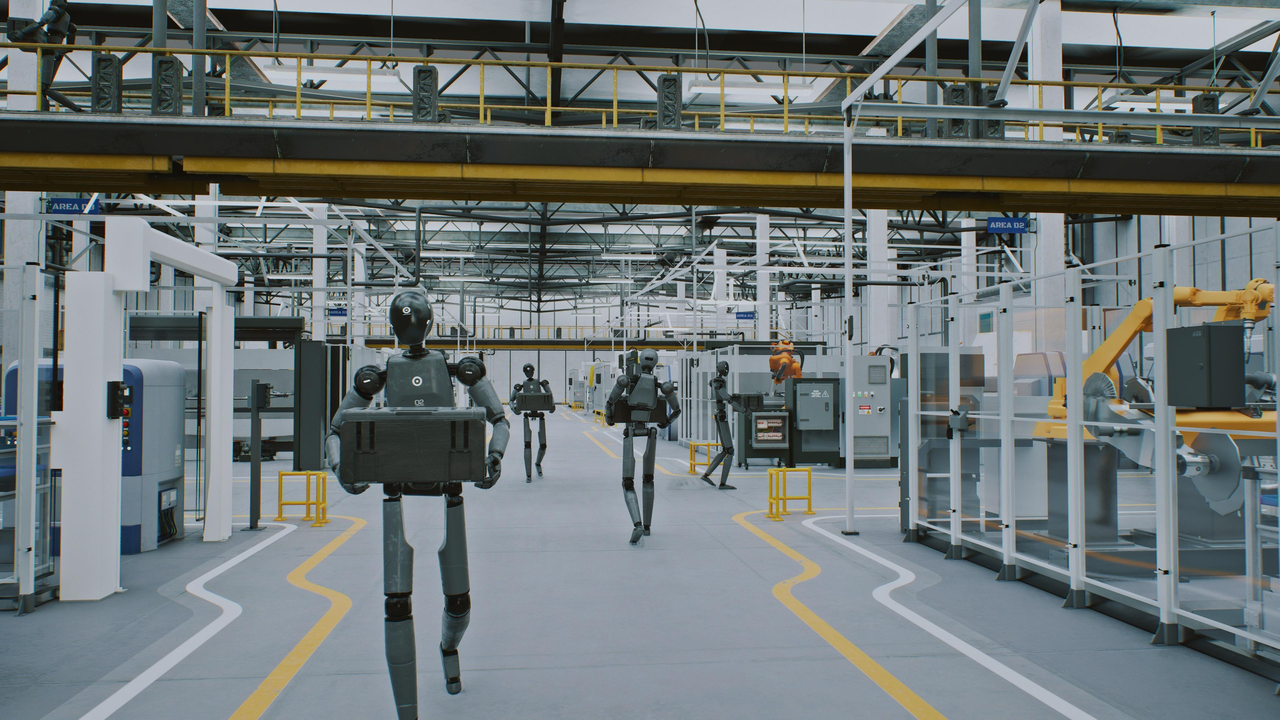
Figure AI 当前主要通过 Figure 01、Figure 02 以及未来的 Figure 03 推进机器人部署。这些机器人未来可能被应用于汽车工厂、仓储物流、零售配送以及医疗护理等场景。
对于大型企业来说,Humanoid Robot 的价值在于,它们能够适应现有的人类工作环境,而不需要彻底重建基础设施。这与传统工业机器人存在明显区别。
Robot-as-a-Service(RaaS)可能是核心方向
相比一次性出售机器人,Robot-as-a-Service(RaaS)被认为更可能成为 Figure AI 的长期核心商业模式。
这种模式类似企业 SaaS。企业无需直接购买机器人,而是按月或按年支付服务费用。
Figure AI 则负责:
-
机器人部署
-
AI 系统升级
-
维护与维修
对于企业客户而言,这能够降低初始成本;对于 Figure AI 而言,则意味着更稳定的长期现金流。
未来 Humanoid Robot 很可能像“云计算服务器”一样,逐渐转向订阅式商业模式。
Helix AI 可能成为软件收入来源
Helix AI 是 Figure AI 最重要的技术资产之一。
传统机器人企业的核心竞争力通常来自机械结构与运动控制,但 Figure AI 更强调机器人 AI 系统。Helix AI 采用 Vision-Language-Action(VLA)架构,让机器人能够理解现实环境、执行复杂任务并进行自主推理。
长期来看,Helix AI 本身可能成为独立的软件平台。
Figure AI 未来不仅能够销售机器人,还可能提供:
-
Robotics AI API
-
企业机器人系统
-
AI Agent 控制平台
如果这一模式成立,Figure AI 的商业逻辑将更接近 AI 平台公司,而不是传统制造企业。
BMW 合作为什么重要
BMW 是 Figure AI 当前最重要的商业合作案例之一。
对于 Humanoid Robot 行业来说,最大的难点并不是机器人能否完成 Demo,而是机器人能否真正进入现实生产环境。
BMW 工厂部署意味着 Figure AI 已经开始验证机器人在真实工业场景中的商业价值。与此同时,机器人在工厂中的每一次任务执行,也都会帮助 Helix AI 持续训练。
这种“真实环境数据”,未来很可能成为 Humanoid Robot 行业最重要的竞争壁垒之一。

Figure AI 为什么强调 BotQ
BotQ 是 Figure AI 的机器人制造体系。
对于 Humanoid Robot 行业而言,机器人本体研发只是第一步,真正困难的是规模化制造。如果无法建立成熟生产体系,那么机器人成本将始终无法下降。
Figure AI 强调 BotQ,本质上是在提前布局未来机器人量产能力。
长期来看,Humanoid Robot 行业可能会逐渐形成:
-
标准化制造
-
自动化装配
-
大规模供应链
谁能够率先建立机器人制造体系,谁就更可能占据市场优势。
Figure AI 未来会进入家庭市场吗
目前 Figure AI 主要聚焦工业与物流场景,因为企业场景更容易产生明确商业价值。
例如在工厂中,机器人能够直接替代部分重复劳动,从而帮助企业降低成本。
但长期来看,家庭机器人可能才是更大的市场。Figure AI 曾展示过未来家庭机器人的发展方向,包括家务协助、老人护理与日常任务执行等。
如果 Humanoid Robot 能够真正进入家庭环境,那么其市场规模可能远超智能手机。不过,这仍需要 AI 推理能力、成本控制以及安全系统进一步成熟。
Figure AI 面临哪些商业挑战
尽管市场前景巨大,但 Figure AI 仍然面临很多现实挑战。
首先是机器人成本问题。高性能 Humanoid Robot 目前依然非常昂贵。
其次是 AI 泛化能力。现实世界远比工厂流水线复杂,机器人需要适应大量不可预测环境。
此外,机器人续航、维护、安全性以及法律监管问题,也都会影响行业发展。
当前 Humanoid Robot 行业仍然处于非常早期阶段,因此 Figure AI 更像是在建立未来机器人经济的基础设施。
总结
Figure AI 的商业模式并不仅仅是销售 Humanoid Robot,而是希望建立“AI + Robotics”平台生态。
通过机器人硬件、Helix AI、Robot-as-a-Service 与企业自动化系统,Figure AI 正试图打造现实世界中的 AI 劳动力网络。
BMW 工厂合作、BotQ 制造体系以及 Helix AI 的持续升级,意味着 Figure AI 已经开始从机器人 Demo 公司,逐渐向真正的商业化 AI Robotics 平台转型。
FAQs
Figure AI 如何赚钱
Figure AI 未来可能通过机器人租赁、企业部署、AI 软件平台以及机器人维护服务获得收入。
什么是 Robot-as-a-Service
Robot-as-a-Service(RaaS)是一种机器人订阅模式,企业无需购买机器人,而是按月支付使用费用。
Helix AI 会成为独立产品吗
长期来看,Helix AI 有可能发展为独立的 Robotics AI 平台,用于支持机器人推理与自动化系统。
BMW 为什么与 Figure AI 合作
BMW 希望通过 Humanoid Robot 提升工厂自动化能力,而 Figure AI 则能够获得真实工业场景数据。
Figure AI 会进入家庭机器人市场吗
Figure AI 长期可能会进入家庭机器人领域,但目前重点仍然是工业与物流场景。
Figure AI 最大的挑战是什么
当前最大的挑战包括机器人成本、AI 泛化能力、电池续航、安全性以及大规模制造能力。
分享
目录


相关文章

CKB:闪电网络促新局,落地场景需发力
ONDO 代币经济模型:如何激励平台增长与参与?

什么是加密货币中的完全稀释估值(FDV)?

GateClaw 与 AI Skills:Web3 AI Agent 的能力体系解析

GateClaw 的核心功能:Web3 AI Agent 工作站能力解析