У міру масового впровадження блокчейну традиційні одноланцюгові структури досягають меж продуктивності. Постійні проблеми, такі як перевантаження мережі, зростання комісій Gas і уповільнення підтвердження транзакцій, стали типовими для публічних блокчейн-екосистем. У відповідь шардінг став ключовим методом масштабування для ланцюгів Layer1, і MultiversX став одним із перших, хто впровадив адаптивний шардінг стану на великому масштабі.
З позиції цифрових активів і Web3-інфраструктури цінність MultiversX полягає не лише у збільшенні TPS, а й у створенні горизонтально масштабованого ончейн-фреймворку виконання. Завдяки Adaptive State Sharding, Secure Proof of Stake (SPoS) і кросшардовій комунікації, MultiversX розподіляє обчислення мережі, зберігання стану та обробку транзакцій між кількома шардами для ефективної роботи Layer1.
MultiversX (EGLD) і шардовані публічні ланцюги
У блокчейн-архітектурі шардінг означає розділення даних мережі, обробки транзакцій і зберігання стану на незалежні області, що дозволяє вузлам виконувати різні завдання одночасно без синхронізації всіх даних.
Традиційні одноланцюгові моделі вимагають від кожного вузла перевіряти всі транзакції, зберігати повний стан і виконувати кожен Smart Contract. Це забезпечує узгодженість, але обмежує масштабованість — пропускна здатність мережі часто не встигає за зростанням кількості користувачів.
Adaptive State Sharding MultiversX пропонує комплексне рішення на рівні стану, розділяючи не лише транзакції, а й стани акаунтів і структуру мережі.
На відміну від рішень, що спрямовані лише на паралелізацію транзакцій, система шардінгу MultiversX охоплює:
- Шардінг мережі
- Шардінг транзакцій
- Шардінг стану
Ця архітектура дозволяє кожному шарду самостійно керувати власними акаунтами і даними стану, зменшуючи навантаження на глобальну синхронізацію.
Порівнюючи шардінг MultiversX, часто проводять аналогії з модульним масштабуванням блокчейну чи ролап-рішеннями. Хоча всі ці підходи вирішують проблему масштабованості, їх базові реалізації суттєво відрізняються.
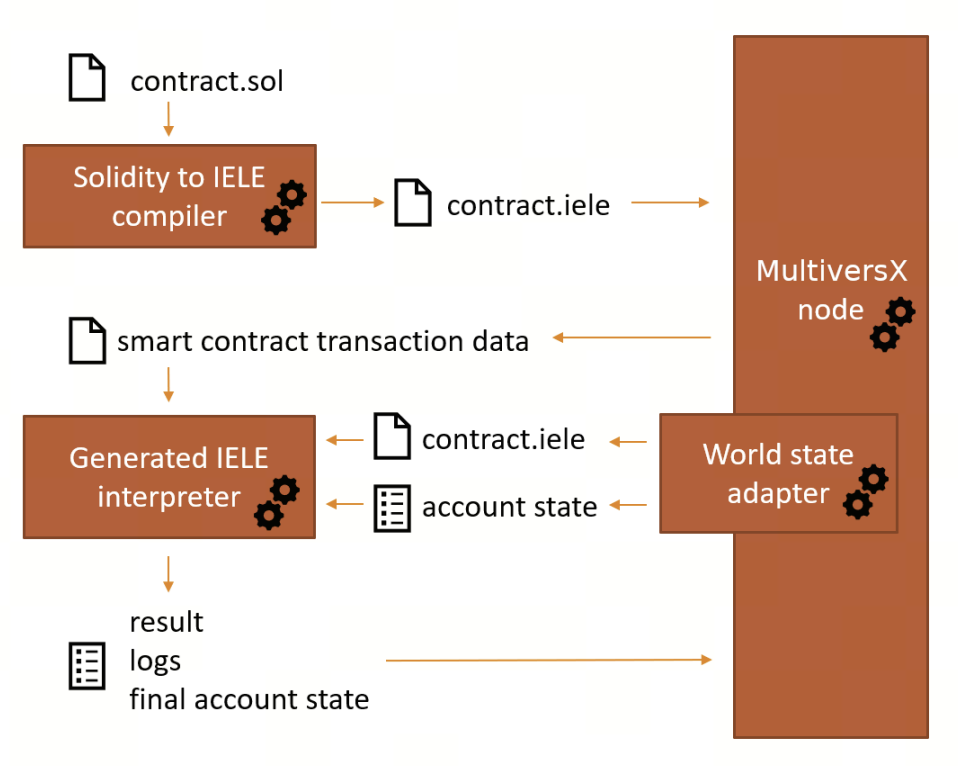
Джерело: multiversx.com
Як починається ончейн-транзакція EGLD
Коли користувач ініціює переказ EGLD або виклик Smart Contract, Гаманець підписує транзакцію Приватним ключем, формуючи повідомлення з адресами відправника і отримувача, Nonce, Лімітом газу і Торговими даними. Після підписання транзакція надсилається вузлам мережі MultiversX для ончейн-обробки.
Після потрапляння в мережу MultiversX автоматично призначає транзакцію відповідному шарду на основі адреси акаунта. Завдяки Adaptive State Sharding акаунти відправника і отримувача можуть бути в різних шардах. Система спочатку перевіряє, чи є транзакція внутрішньошардовою; якщо ні — запускається кросшардова комунікація.
Валідаторні вузли відповідного шарду перевіряють дійсність транзакції — правильність Підпису, достатність Балансу рахунку, відповідність Nonce і налаштування Gas. Підтверджені транзакції додаються до пулу кандидатів у блок, очікуючи підтвердження.
Під час створення блоку механізм Secure Proof of Stake (SPoS) швидко обирає пропонента блоку, а комітет вузлів перевіряє і підтверджує блок. Після генерації статус транзакції записується ончейн. Для кросшардових транзакцій Metachain координує синхронізацію стану між шардами для підтримки глобальної узгодженості.
Adaptive State Sharding: принцип роботи
Adaptive State Sharding — основа архітектури MultiversX, що дозволяє мережі динамічно змінювати структуру шардів залежно від навантаження в реальному часі, а не підтримувати статичну кількість шардів. Такий дизайн підвищує пропускну здатність і оптимізує використання ресурсів.
Традиційні шардовані мережі часто стикаються з нерівномірним навантаженням шардів, складною синхронізацією стану і перевантаженням шардів. Навіть при розділенні транзакцій вузли можуть бути змушені підтримувати глобальний стан, що обмежує масштабованість. MultiversX вирішує це шляхом подальшого розділення даних стану.
Зі зростанням обсягу транзакцій система може збільшити кількість шардів і перерозподілити вузли і стан. Коли навантаження знижується, шарди можуть об'єднуватися. Така динамічна масштабованість автоматично адаптує розподіл ресурсів до потреб мережі, підвищуючи ефективність виконання.
На відміну від публічних ланцюгів, обмежених шардінгом транзакцій, кожен шард MultiversX зберігає лише власні дані стану — вузли не повинні синхронізувати всю інформацію акаунтів у мережі. Це зменшує потребу у зберіганні, витрати на синхронізацію і вимоги до обладнання, покращуючи масштабованість.
Валідатори MultiversX і консенсус SPoS
MultiversX використовує Secure Proof of Stake (SPoS), вдосконалену версію Proof of Stake, розроблену для прискорення підтвердження блоків, спрощення комунікації вузлів і максимізації ефективності генерації блоків. SPoS акцентує швидкий вибір вузлів і високопродуктивне виконання порівняно зі старими системами PoS.
Валідатори — основа MultiversX, що забезпечують роботу мережі. Для участі у консенсусі ці вузли повинні Стейкати EGLD. Їх обов'язки включають перевірку транзакцій, генерацію блоків, синхронізацію стану і забезпечення безпеки. Продуктивність валідаторів безпосередньо впливає на стабільність мережі і швидкість транзакцій.
Ключова особливість SPoS — швидке випадкове формування комітету вузлів. Традиційні PoS-мережі можуть вимагати тривалого обміну даними і очікування для формування комітетів, але SPoS використовує випадковий вибір і рейтинг вузлів для прискорення цього процесу, скорочуючи затримки консенсусу. Рейтинг валідаторів відображає історичну продуктивність — час онлайн, успішні перевірки і відсутність зловмисної активності.
SPoS додатково підвищує швидкість, мінімізуючи кількість раундів комунікації і дублювання перевірок, що забезпечує швидке підтвердження блоків. Це позиціонує MultiversX як високопродуктивний PoS-ланцюг, який часто порівнюють із Solana, Avalanche та Ethereum PoS, хоча його архітектура виконання і підхід до масштабування відрізняються.
Кросшардові транзакції і синхронізація стану
Кросшардові транзакції — одні з найскладніших технічних задач для шардованих ланцюгів. Оскільки кожен шард підтримує незалежний стан, дані акаунтів можуть бути розподілені, що вимагає узгодженого підтвердження між шардами. Без надійної координації можуть виникати проблеми, такі як неузгоджені стани або конфлікти транзакцій.
MultiversX вирішує це за допомогою структури Metachain. Metachain не обробляє звичайні транзакції; вона координує комунікацію і синхронізацію стану між шардами, агрегує заголовки блоків і підтримує узгодженість мережі — виступаючи як координаційний рівень системи.
Для кросшардових транзакцій шард-відправник списує баланс і формує кросшардове повідомлення або квитанцію. Metachain підтверджує стан і керує передачею повідомлення, а шард-отримувач оновлює баланс після підтвердження. Це забезпечує єдиний реєстр між шардами.
Ефективна кросшардова синхронізація запобігає подвійній витраті, затримкам стану і збоям транзакцій. Якщо шарди не синхронізують дані вчасно, узгодженість мережі порушується. Кросшардова комунікація — ключова і складна технологія для шардованих ланцюгів.
Роль EGLD у MultiversX
EGLD — нативний актив MultiversX, який використовується не лише для переказу вартості, а й як основа роботи мережі. Як базовий актив екосистеми, EGLD є невід’ємною частиною безпеки мережі, розподілу ресурсів і взаємодії в екосистемі.
Користувачі сплачують EGLD як Gas за перекази, виклики Smart Contract і NFT-операції. Це допомагає запобігти спам-транзакціям і встановлює модель витрат для розподілу ресурсів, роблячи EGLD компонентом ончейн-обчислювальних ресурсів.
EGLD також є центральним для безпеки мережі. Валідатори повинні Стейкати EGLD для участі у консенсусі SPoS, тому обсяг стейкінгу впливає на можливості перевірки і безпеку. Винагороди за блоки і стимули видаються в EGLD, стимулюючи ончейн-економіку.
В екосистемі EGLD виступає платіжним активом, медіумом DeFi-протоколів і токеном управління. Це не просто транзакційний токен, а також ресурсний, стейкінговий і взаємодійний актив для MultiversX.
Переваги, масштабованість і обмеження шардованої архітектури MultiversX
Висока продуктивність MultiversX забезпечується Adaptive State Sharding і багатошардовим паралельним виконанням. Порівняно з одноланцюговими структурами, багатошардові системи обробляють більше транзакцій одночасно, масштабуючи пропускну здатність мережі зі збільшенням кількості шардів.
Оскільки кожен шард підтримує лише власний стан, вузли не синхронізують всю інформацію акаунтів, що знижує витрати на зберігання, синхронізацію і обладнання. Це підвищує масштабованість і зменшує операційне навантаження.
Adaptive State Sharding також дозволяє динамічне масштабування. Система може додавати шарди і перерозподіляти вузли при зростанні навантаження, а при зменшенні обсягу об’єднувати шарди, забезпечуючи гнучкий розподіл ресурсів порівняно зі статичним шардінгом.
Однак шардінг додає складності. Кросшардові транзакції складніші за одноланцюгові операції, вимагають синхронізації стану і координації. Розробникам доводиться враховувати кросшардові виклики і управління станом при створенні застосунків. Хоча шардінг покращує масштабованість, він має технічні компроміси.
MultiversX vs. Ethereum, Solana та інші підходи до масштабування
MultiversX, Ethereum і Solana вирішують питання масштабування блокчейну по-різному, роблячи різні вибори щодо продуктивності, децентралізації і структури виконання.
Ethereum орієнтується на rollup і Layer2 масштабування, де основний ланцюг забезпечує безпеку мережі, а Layer2 бере на себе більшість виконання. Такий модульний підхід знижує навантаження на основний ланцюг і розширює можливості екосистеми.
| Мережа |
Основний метод масштабування |
Шардінг |
Структура виконання |
Напрям масштабування |
| MultiversX |
Adaptive State Sharding |
Так |
Паралельне багатошардове |
Горизонтальне масштабування |
| Ethereum |
Rollup + Layer2 |
Частково заплановано |
Модульна |
Масштабування Layer2 |
| Solana |
Одноланцюгова висока продуктивність |
Ні |
Паралельне виконання у єдиному стані |
Масштабування обладнанням |
Solana обирає одноланцюгову високу продуктивність, покладаючись на часте створення блоків, паралельне виконання і потужне обладнання для підвищення пропускної здатності. На відміну від MultiversX, Solana не використовує шардінг, віддаючи перевагу ефективності одного ланцюга.
Підхід MultiversX — це нативний шардінг Layer1, розділення мережі, транзакцій і стану між динамічними шардами для горизонтального масштабування. Не існує універсального оптимального рішення масштабування; кожен ланцюг представляє різні компроміси щодо продуктивності, децентралізації і філософії дизайну.
Підсумок
MultiversX (EGLD) — високопродуктивний ланцюг Layer1, побудований на Adaptive State Sharding, з метою підвищення пропускної здатності і масштабованості при збереженні децентралізованої структури блокчейну.
Розділяючи мережу, транзакції і дані стану між динамічними шардами, MultiversX досягає горизонтального масштабування, а Secure Proof of Stake (SPoS) прискорює підтвердження транзакцій. Metachain забезпечує кросшардову комунікацію і синхронізацію стану для узгодженості мережі.
Порівняно зі стратегією rollup Ethereum і одноланцюговою високою продуктивністю Solana, MultiversX робить акцент на нативному шардінгу Layer1. Хоча це підвищує паралельну обробку, це також створює виклики у кросшардовій координації та розробці застосунків.
Поширені запитання
Що таке MultiversX (EGLD)?
MultiversX — це блокчейн Layer1, що використовує Adaptive State Sharding для збільшення пропускної здатності транзакцій і масштабованості. EGLD — його нативний токен.
Чим Adaptive State Sharding відрізняється від стандартного шардінгу?
Стандартний шардінг зазвичай розділяє лише обробку транзакцій. Adaptive State Sharding розділяє мережу, транзакції і дані стану, а також дозволяє динамічно змінювати кількість шардів.
Що відрізняє SPoS від традиційного PoS?
SPoS (Secure Proof of Stake) — оптимізований варіант PoS, який акцентує швидке формування комітетів і знижує комунікаційні витрати.
Як MultiversX обробляє кросшардові транзакції?
MultiversX використовує Metachain для координації синхронізації стану і кросшардових повідомлень між шардами.
Які основні використання EGLD у мережі?
EGLD використовується для оплати Gas, стейкінгу, забезпечення безпеки мережі і взаємодії в екосистемі.
Чим маршрут масштабування MultiversX відрізняється від Solana?
Solana покладається на одноланцюгову високу продуктивність, а MultiversX використовує нативний шардінг для горизонтального масштабування між кількома шардами.