Le secteur de la Blockchain s'est d'abord concentré sur les actifs crypto-natifs, mais la grande majorité de la valeur des marchés financiers mondiaux réside encore dans des actifs du monde réel (RWA) tels que l'immobilier, les obligations, les fonds, les produits de crédit et les matières premières.
Les marchés d'actifs traditionnels souffrent depuis longtemps de problèmes récurrents : illiquidité, faible efficacité transfrontalière, barrières à l'entrée élevées et cycles de règlement longs. Contrairement aux plateformes classiques de numérisation d'actifs, Plume ne se limite pas à tokeniser les actifs ; elle veille également à leur liquidité et à leur composabilité une fois intégrés à l'écosystème financier on-chain. Grâce à son infrastructure RWAfi, les actifs du monde réel peuvent participer à des protocoles de prêt, de rendement, des pools de liquidité et des applications cross-chain, ouvrant ainsi un éventail plus large de cas d'usage financiers.
Qu'est-ce que la tokenisation des RWA ?
La tokenisation des RWA consiste à convertir la propriété, les droits de revenu ou d'autres intérêts économiques d'actifs du monde réel en Tokens numériques sur la Blockchain, gérés et circulés via des Smart Contracts.
Les Tokens eux-mêmes ne sont pas des équivalents directs des actifs sous-jacents ; ils représentent plutôt un ensemble de droits associés à ces actifs.
Par exemple, un bien immobilier tokenisé peut représenter des parts de propriété ou des droits de revenu via des Tokens Blockchain. Les investisseurs détenant ces Tokens obtiennent les droits correspondants sur l'actif sous-jacent.
Sur le réseau Plume, la tokenisation va au-delà de la simple inscription d'un actif sur la Blockchain : elle permet à ces actifs de participer activement aux activités financières on-chain.
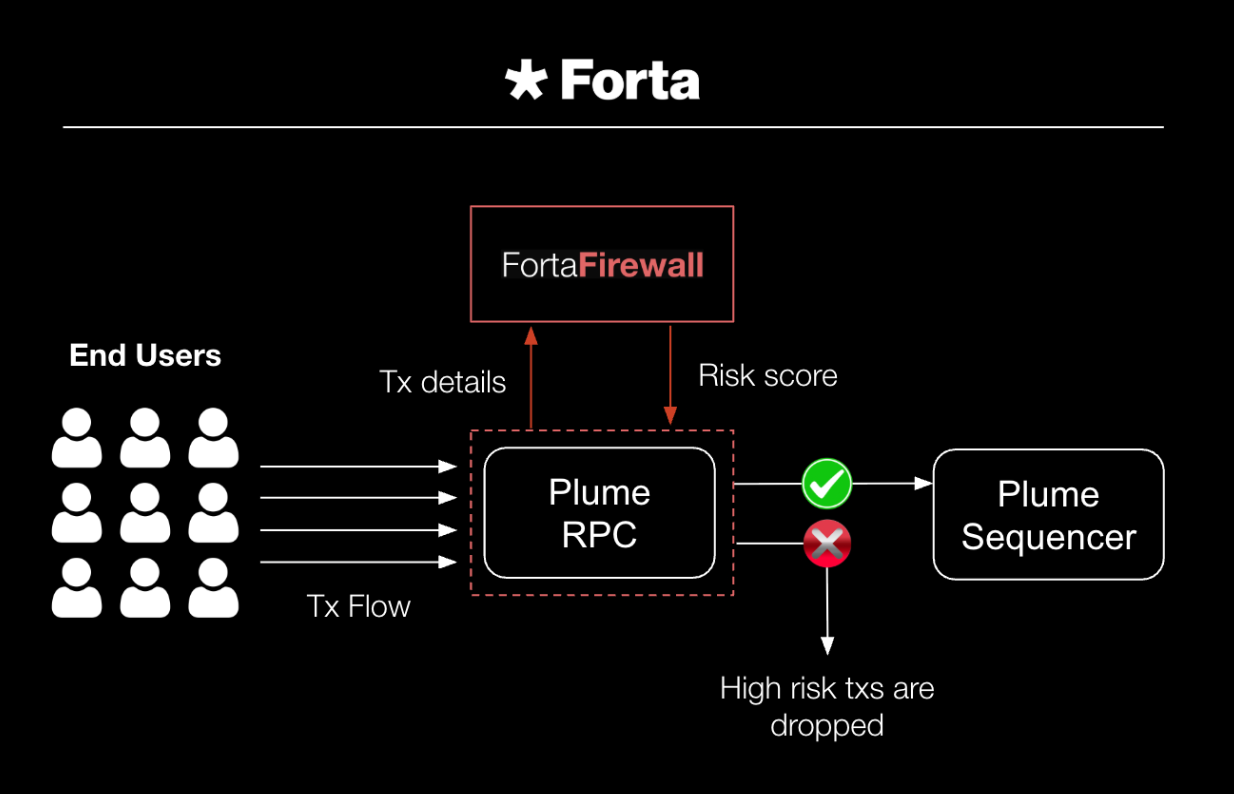
Quel est le processus de tokenisation des RWA sur Plume ?
Le processus d'intégration des actifs on-chain de Plume se déroule généralement en six étapes clés :
-
Évaluation et sélection des actifs
-
Conception de la structure juridique
-
Vérification et conservation des actifs
-
Émission de Tokens on-chain
-
Gestion de la conformité et contrôle d'accès
-
Intégration à l'écosystème DeFi
Chaque étape constitue un lien essentiel entre les actifs du monde réel et la Blockchain, formant ensemble un cycle de vie complet des RWA.
Tous les actifs du monde réel ne se prêtent pas à la tokenisation.
Les émetteurs doivent d'abord s'assurer que les actifs possèdent un titre de propriété clair, des moteurs de valeur stables et une propriété légale vérifiable.
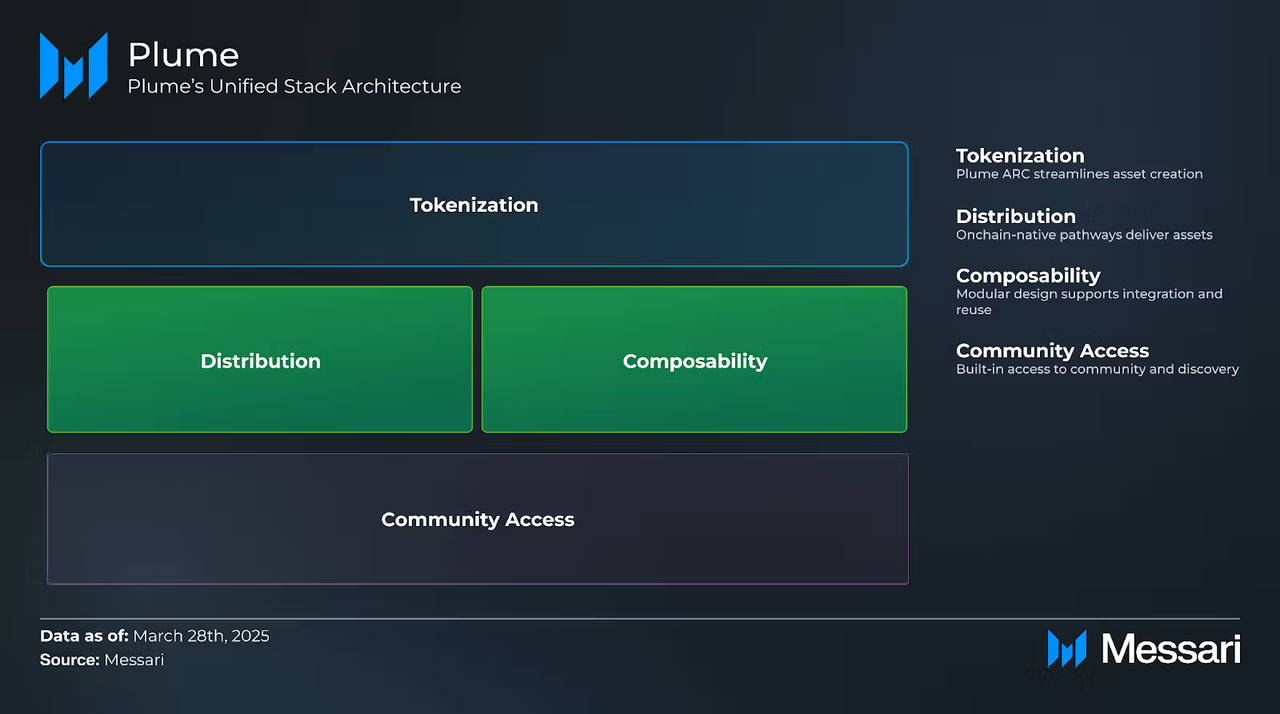
Les types d'actifs courants incluent :
Avant la mise on-chain, les actifs sont généralement soumis à une évaluation, une analyse des risques et un examen de conformité par des institutions tierces.
Ce processus jette les bases de l'émission ultérieure et de la circulation sur le marché.
La crédibilité des actifs du monde réel est le socle de l'écosystème RWA.
Plume met en place des mécanismes de vérification à plusieurs niveaux :
Audits tiers
Des cabinets professionnels vérifient l'authenticité des actifs, la propriété et les documents financiers.
Services de conservation
Les actifs sont généralement détenus par des dépositaires indépendants, ce qui réduit le risque de contrôle de la part de l'émetteur.
Synchronisation des données off-chain
Des oracles et des fournisseurs de données transmettent en continu les mises à jour de statut des actifs vers la Blockchain.
Mécanismes de divulgation périodique
Les données opérationnelles des actifs, leurs performances de rendement et les événements de risque sont régulièrement mis à jour et divulgués.
Ces mesures garantissent collectivement la cohérence entre les Tokens on-chain et les actifs sous-jacents du monde réel.
Une fois la vérification des actifs et la structuration juridique achevées, le processus passe à l'émission on-chain.
Plume fournit des outils d'émission spécialisés permettant aux émetteurs de créer des Tokens numériques représentant les droits sur les actifs du monde réel.
Les Smart Contracts définissent :
Après l'émission, l'actif entre officiellement dans le réseau Blockchain et acquiert des propriétés financières programmables.
Les actifs du monde réel sont souvent soumis aux réglementations sur les valeurs mobilières, à la lutte contre le blanchiment d'argent (AML) et aux exigences de connaissance du client (KYC).
Plume intègre des modules de conformité directement dans sa couche d'infrastructure.
Vérification d'identité de l'investisseur
Les utilisateurs qui accèdent à des actifs spécifiques doivent effectuer une vérification d'identité.
Contrôle d'accès
Différentes régions ou catégories d'investisseurs peuvent avoir des règles d'accès distinctes.
Restrictions de transfert
Certains actifs peuvent limiter la transférabilité ou l'éligibilité des détenteurs.
Adaptation réglementaire
Les émetteurs peuvent ajuster les règles de gestion des actifs en fonction des lois locales.
Cette conception permet aux actifs du monde réel de répondre aux exigences réglementaires tout en accédant au marché on-chain.
Que deviennent les actifs après être entrés dans la DeFi ?
Les plateformes RWA traditionnelles concluent généralement leur workflow après l'émission des actifs.
Le modèle RWAfi de Plume va plus loin en entraînant activement les actifs dans les activités financières on-chain.
Les Tokens d'actifs du monde réel peuvent être utilisés pour :
-
Collatéral dans les protocoles de prêt
-
Stratégies d'agrégation de rendement
-
Construction de pools de liquidité
-
Gestion automatisée d'actifs
-
Réseaux de liquidité cross-chain
Grâce à ces cas d'usage, les RWA acquièrent une composabilité financière comparable à celle des actifs crypto-natifs.
C'est un élément de différenciation clé entre le modèle RWAfi et les modèles RWA traditionnels.
En quoi la tokenisation des RWA de Plume diffère-t-elle de la titrisation traditionnelle ?
| Dimension de comparaison |
Tokenisation des RWA par Plume |
Titrisation traditionnelle |
| Méthode d'émission |
Émission sur Blockchain |
Émission par institution financière |
| Temps de négociation |
Règlement quasi instantané |
Horaires de négociation fixes |
| Portée du marché |
Marché mondial on-chain |
Marchés régionaux |
| Liquidité |
Accès à la DeFi |
Dépendance aux marchés traditionnels |
| Distribution des revenus |
Automatisée via Smart Contracts |
Traitement manuel ou institutionnel |
| Programmabilité |
Élevée |
Faible |
La titrisation se concentre principalement sur le financement, tandis que le modèle RWAfi met l'accent sur la circulation et l'utilisation continues au sein de l'écosystème financier numérique.
Résumé
Le cadre de tokenisation des RWA de Plume couvre la sélection des actifs, la structuration juridique, la vérification, l'émission on-chain, la conformité et l'intégration à la DeFi. L'objectif global n'est pas seulement de mettre les RWA on-chain, mais de leur permettre de circuler en continu et de générer de la valeur au sein du système financier Blockchain.
Comparé aux projets RWA traditionnels, le modèle RWAfi de Plume privilégie la composabilité financière, permettant aux actifs du monde réel de participer aux prêts, à la gestion des rendements et aux mouvements cross-chain, tout comme les actifs crypto-natifs.
FAQ
Que signifie la tokenisation des RWA ?
La tokenisation des RWA désigne le processus de transposition des droits des actifs du monde réel — immobilier, obligations, crédit privé, etc. — en Tokens numériques sur la Blockchain, gérés et distribués via des Smart Contracts.
Quelles sont les étapes du processus de tokenisation des RWA sur Plume ?
Le processus de tokenisation de Plume comprend généralement la sélection des actifs, la conception de la structure juridique, la vérification des actifs, les accords de conservation, l'émission on-chain, la gestion de la conformité et l'intégration à l'écosystème DeFi.
Pourquoi les actifs du monde réel ont-ils besoin d'un dépositaire ?
Les dépositaires protègent les actifs du monde réel et surveillent leur état, garantissant que les droits représentés par les Tokens on-chain sont authentiques et réduisant ainsi le risque de gestion des actifs.
Quels types d'actifs Plume prend-elle en charge ?
Plume prend en charge l'immobilier, les obligations du Trésor, le crédit privé, les obligations d'entreprises, les matières premières, les projets d'infrastructure et d'autres actifs du monde réel disposant de droits de propriété et de structures de revenus clairs.