Karena mekanisme pembobotan kapitalisasi pasar free-float, Zona keuangan dan teknologi selalu memiliki bobot signifikan di Nifty 50. Perusahaan kapitalisasi besar seperti HDFC Bank, Reliance Industries, Infosys, dan TCS sangat memengaruhi pergerakan indeks ini.
Di Marketplace keuangan global, Nifty 50 menjadi salah satu indeks saham unggulan paling representatif dari India. ETF, reksa dana indeks, dan derivatif yang dibangun di atasnya menjadikannya tolok ukur utama bagi institusi internasional yang mengalokasikan aset ke India.
Bagaimana Cara Memilih Konstituen Nifty 50?
Konstituen Nifty 50 difilter dan disesuaikan secara berkala oleh Komite Indeks Bursa Efek Nasional India. Untuk masuk, suatu saham biasanya harus memenuhi kriteria berikut:
- Kapitalisasi pasar free-float yang tinggi
- Likuiditas pasar yang stabil
- Volume perdagangan yang signifikan
- Kinerja jangka panjang yang konsisten
- Representasi industri yang memadai
Karena indeks ini menggunakan metodologi pembobotan kapitalisasi pasar free-float, perusahaan kapitalisasi besar secara alami memiliki bobot lebih. Metode ini lebih akurat mencerminkan aktivitas perdagangan riil dibandingkan penyaringan berdasarkan harga atau kapitalisasi total.
Komite Indeks juga melakukan peninjauan rutin. Perusahaan dengan kapitalisasi pasar menurun atau aktivitas perdagangan yang berkurang dapat dikeluarkan, sementara perusahaan kapitalisasi besar yang baru muncul bisa dimasukkan.
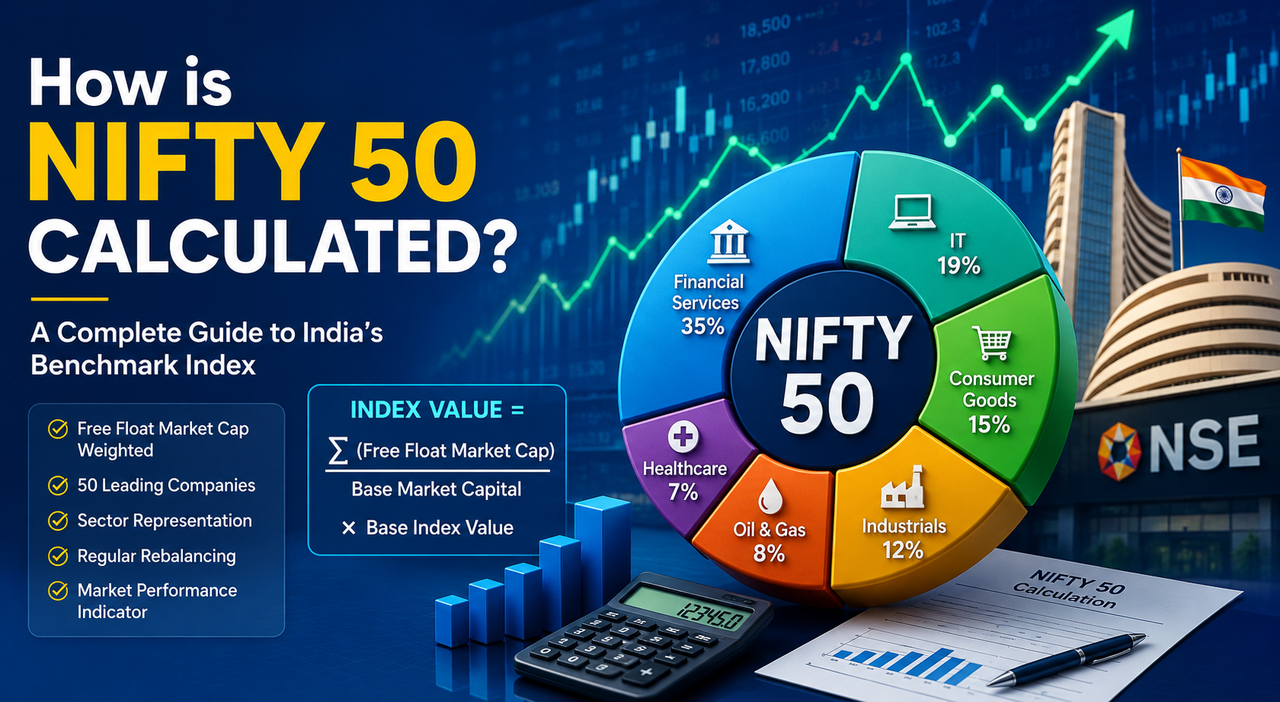
Sektor Apa Saja yang Dicakup Nifty 50?
Rincian sektor Nifty 50 memberi gambaran jelas tentang pendorong utama ekonomi India. Jasa keuangan, teknologi informasi, dan energi sudah lama mendominasi.
Bobot Zona keuangan yang besar mencerminkan ketergantungan India pada bank dan lembaga keuangan untuk membiayai pinjaman korporasi dan pertumbuhan konsumsi. Sementara itu, sektor TI menunjukkan posisi global India dalam layanan perangkat lunak dan ekonomi digital.
Saat ini, Nifty 50 mencakup sektor-sektor utama berikut:
| Sektor |
Perusahaan Representatif |
Karakteristik Sektor |
| Jasa Keuangan |
HDFC Bank, ICICI Bank |
Bobot tertinggi, basis modal besar |
| Teknologi Informasi |
Infosys, TCS, Wipro |
Perangkat lunak dan alih daya global |
| Energi |
Reliance Industries, ONGC |
Energi dan infrastruktur industri |
| Barang Konsumen |
ITC, Hindustan Unilever |
Peningkatan konsumsi dan bonus demografi |
| Farmasi |
Sun Pharma, Dr. Reddy’s |
Obat generik global dan layanan kesehatan |
| Manufaktur Industri |
Larsen & Toubro |
Infrastruktur dan teknik |
Struktur multi-sektor ini membantu Nifty 50 mendiversifikasi risiko dari satu industri sekaligus mempertahankan keterwakilan sektor ekonomi inti India.
Mengapa Sektor Jasa Keuangan Memiliki Persentase Tertinggi di Nifty 50?
Sektor jasa keuangan telah lama menjadi komponen terbesar Nifty 50. Seiring pertumbuhan ekonomi India, sistem perbankannya menopang pembiayaan korporasi besar, pinjaman konsumen, dan investasi infrastruktur—mendorong ekspansi berkelanjutan lembaga keuangan besar.
Saham seperti HDFC Bank, ICICI Bank, dan State Bank of India secara konsisten berada di posisi terbobot tertinggi. Pergerakan harga mereka dapat langsung memengaruhi arah pergerakan Nifty 50 secara keseluruhan.
Pesatnya perkembangan pembayaran digital dan fintech di India semakin memperkuat peran Zona ini. Dengan pembayaran seluler, pinjaman daring, dan perbankan digital yang kini menjadi arus utama, jasa keuangan memiliki pengaruh yang lebih besar lagi di Marketplace modal India.
Namun, konsentrasi yang tinggi ini juga berarti bahwa perubahan kebijakan atau perlambatan ekonomi yang memengaruhi sektor keuangan akan berdampak signifikan pada seluruh Nifty 50.
Mengapa Perusahaan TI India Begitu Penting bagi Nifty 50?
Teknologi informasi adalah salah satu Zona yang paling terintegrasi secara internasional di dalam Nifty 50. Perusahaan seperti Infosys, Tata Consultancy Services (TCS), dan Wipro telah lama menyediakan layanan pengembangan perangkat lunak, transformasi digital, dan alih daya untuk klien global.
Karena sebagian besar pendapatan mereka berasal dari luar negeri, perusahaan TI India sangat terkait dengan siklus teknologi global. Saat perusahaan di AS dan Eropa meningkatkan belanja digital, TI India biasanya ikut diuntungkan.
Bobot TI yang besar di Nifty 50 juga mencerminkan pergeseran India dari manufaktur tradisional menuju ekonomi digital.
Meningkatnya permintaan akan artificial Intelligence, komputasi awan, dan perangkat lunak perusahaan semakin memperkuat visibilitas Zona ini di Marketplace modal internasional.
Mengapa Reliance Industries Sangat Berpengaruh?
Reliance Industries adalah salah satu perusahaan dengan nilai tertinggi di India dan anggota penting Nifty 50.
Tidak seperti perusahaan energi tradisional, Reliance beroperasi di bidang petrokimia, energi, telekomunikasi, platform digital, dan ritel—mencakup berbagai sektor inti ekonomi India.
Setelah ekspansi digitalnya, Reliance tidak lagi dipandang hanya sebagai perusahaan energi, melainkan sebagai representasi kunci dari ekonomi digital India. Akibatnya, pergerakan sahamnya sering kali berdampak lebih besar pada Nifty 50.
Dengan bobot yang tinggi, investor internasional memantau ketat laporan laba, belanja modal, dan pertumbuhan bisnis Reliance.
Akankah Struktur Sektor Nifty 50 Berubah?
Nifty 50 tidak bersifat statis. Seiring perubahan struktur ekonomi India, bobot sektor akan bergeser secara bertahap.
Sebagai contoh, dalam beberapa dekade terakhir, bobot sektor keuangan dan TI meningkat, sementara beberapa nama industri dan utilitas tradisional kehilangan pengaruh.
Ke depannya, sektor seperti energi baru, platform digital, e-commerce, dan semikonduktor mungkin akan semakin dominan di Marketplace modal India. Jika kapitalisasi pasarnya terus bertumbuh, mereka pada akhirnya dapat dimasukkan ke dalam Nifty 50.
Mekanisme penyesuaian dinamis ini memastikan Nifty 50 tetap selaras dengan tren terkini dalam pembangunan ekonomi India, tidak terkunci pada struktur industri yang usang.
Risiko Apa yang Ditimbulkan oleh Konsentrasi Sektor di Nifty 50?
Meskipun Nifty 50 mencakup banyak sektor, bobot Zona keuangan dan teknologi tetap sangat besar. Hal ini menimbulkan risiko konsentrasi sektor yang signifikan.
Sebagai contoh, perlambatan global di sektor teknologi atau tekanan likuiditas di sistem keuangan India dapat menekan indeks secara tajam.
Saham kapitalisasi besar juga memengaruhi volatilitas secara tidak proporsional. Pergerakan ekstrem pada saham Reliance, HDFC Bank, atau Infosys dapat menyeret seluruh indeks turun.
Namun, dalam jangka panjang, konsentrasi ini mencerminkan industri paling kompetitif di India. Ini adalah faktor risiko sekaligus sinyal arah pertumbuhan pasar.
Ringkasan
Nifty 50 terdiri dari saham-saham unggulan paling representatif di India, yang mencakup sektor keuangan, teknologi, energi, barang konsumen, dan farmasi.
Dengan jasa keuangan dan teknologi informasi sebagai sektor dengan bobot tertinggi, indeks ini secara efektif melacak pertumbuhan ekonomi India, transformasi digital, dan tren peningkatan konsumsi. Perusahaan kapitalisasi besar seperti Reliance Industries, Infosys, dan HDFC Bank tetap menjadi pendorong utama kinerjanya.
FAQ
Berapa jumlah perusahaan di Nifty 50?
Nifty 50 mencakup 50 perusahaan blue-chip berkapitalisasi besar yang terdaftar di Bursa Efek Nasional India.
Sektor mana yang memiliki bobot tertinggi di Nifty 50?
Sektor jasa keuangan biasanya menjadi Zona dengan bobot tertinggi.
Mengapa perusahaan TI India begitu penting bagi Nifty 50?
Karena Infosys, TCS, dan lainnya memiliki peran global yang besar dalam perangkat lunak dan layanan digital, serta menghasilkan pendapatan signifikan dari luar negeri.
Mengapa Reliance Industries berdampak besar pada indeks?
Reliance adalah salah satu perusahaan paling bernilai di India dengan operasi yang mencakup energi, ritel, telekomunikasi, dan platform digital, sehingga bobotnya di indeks sangat tinggi.
Apakah konstituen Nifty 50 berubah?
Ya. Komite Indeks secara berkala meninjau dan menyesuaikan konstituen berdasarkan kapitalisasi pasar, likuiditas, dan keterwakilan industri.
Apakah Nifty 50 mencerminkan perekonomian India?
Sampai batas tertentu, ya. Komposisi sektornya mencerminkan tren inti perkembangan keuangan, teknologi, konsumsi, dan industri India.