Alors que l’écosystème blockchain évolue de la simple gestion d’actifs vers l’identité, le contenu et la collaboration communautaire, les utilisateurs ont de plus en plus besoin de découvrir des informations, de construire des relations on-chain et d’améliorer l’efficacité des interactions. En intégrant l’IA aux mécanismes de réseautage social, AntFun transforme le portefeuille, d’un simple outil de gestion d’actifs, en une plateforme essentielle qui connecte utilisateurs, communautés et applications.
Du point de vue des tendances du secteur, les portefeuilles IA, les portefeuilles sociaux et les systèmes d’identité on-chain deviennent des éléments incontournables de l’infrastructure Web3. La direction produit représentée par AntFun illustre l’évolution des portefeuilles, passant d’outils mono-fonction à des plateformes d’interaction complètes.
Qu’est-ce qu’AntFun ?
AntFun est un portefeuille multi-chaînes Web3 qui associe les capacités de l’IA aux fonctionnalités de réseautage social. Il prend en charge la gestion d’actifs numériques, la construction d’une identité on-chain, l’interaction communautaire et les services d’information intelligents.
Le positionnement d’AntFun va au-delà de la simple gestion d’actifs numériques : il vise à intégrer portefeuilles, réseaux sociaux et services IA au sein d’une plateforme unifiée. Cela permet aux utilisateurs de gérer leurs actifs, de s’engager dans des communautés et de rechercher des informations, le tout dans une seule application, réduisant ainsi les frictions liées au changement d’outils.
Fonctionnalités principales d’AntFun
AntFun propose des fonctionnalités standard de portefeuille multi-chaînes, permettant aux utilisateurs de gérer leurs actifs numériques sur différents réseaux blockchain. Ils peuvent envoyer et recevoir des fonds, autoriser des signatures et se connecter à des applications décentralisées.
Au-delà des fonctions de portefeuille, AntFun introduit un module social. Les utilisateurs peuvent créer des profils, suivre d’autres comptes, participer à des discussions communautaires et construire des réseaux sociaux grâce à des activités on-chain. Cette approche garantit que le portefeuille enregistre non seulement l’activité des actifs, mais aussi l’historique des interactions des utilisateurs au sein de l’écosystème.
L’IA est un autre composant clé. En exploitant l’intelligence artificielle, la plateforme aide les utilisateurs à découvrir des informations, filtrer le contenu et interpréter des données on-chain complexes, améliorant ainsi l’efficacité globale.
De plus, AntFun fournit des outils de découverte de projets et d’exploration de l’écosystème, facilitant l’accès des utilisateurs à diverses applications Web3 et ressources communautaires.
Fonctionnement des fonctionnalités IA d’AntFun
L’IA dans AntFun traite principalement les informations et assiste l’interaction. Face à la croissance exponentielle des données on-chain et des informations communautaires, les utilisateurs ordinaires peinent souvent à identifier rapidement le contenu pertinent.
Le système d’IA analyse les données publiques, les interactions sociales et les centres d’intérêt des utilisateurs pour classifier et organiser les informations. Par rapport aux méthodes de recherche traditionnelles, cette approche met l’accent sur la personnalisation et les recommandations intelligentes.
L’IA aide également les utilisateurs à comprendre des activités on-chain complexes. Par exemple, lorsqu’un utilisateur examine un projet, une communauté ou une adresse, l’IA peut fournir des synthèses intuitives et des explications contextuelles, réduisant ainsi la courbe d’apprentissage.
À l’avenir, les agents IA sont considérés comme une voie d’évolution clé pour les portefeuilles IA. Les portefeuilles de demain pourraient non seulement fournir des informations, mais aussi assister les utilisateurs dans l’exécution de tâches on-chain plus complexes.
Mécanisme de réseautage social d’AntFun
La fonctionnalité sociale est un différenciateur majeur par rapport aux portefeuilles traditionnels. Les portefeuilles conventionnels se concentrent sur les adresses et les actifs, tandis que les portefeuilles sociaux placent les relations utilisateur et la participation communautaire au centre.
Dans l’écosystème AntFun, l’identité on-chain constitue la base des connexions sociales. Les utilisateurs peuvent établir une identité publique liée à leur adresse de portefeuille et mettre en avant leurs activités et centres d’intérêt on-chain.
Le graphe social est une structure cruciale pour relier les utilisateurs. Grâce à des actions comme suivre, interagir et s’engager avec le contenu, la plateforme construit progressivement un réseau relationnel on-chain, aidant les utilisateurs à découvrir de nouvelles communautés et de nouveaux projets.
Ce modèle transforme le portefeuille, d’un simple outil de gestion d’actifs, en un vecteur d’identité numérique dans le monde du Web3.
Cas d’usage typiques d’AntFun
La gestion d’actifs numériques reste le cas d’usage le plus fondamental d’AntFun. Les utilisateurs peuvent gérer centralement leurs tokens et actifs numériques sur différents réseaux et exécuter des opérations on-chain courantes.
La découverte de projets est un autre scénario important. Grâce aux recommandations IA et au réseautage social, les utilisateurs peuvent rencontrer de nouvelles applications, communautés et ressources de l’écosystème.
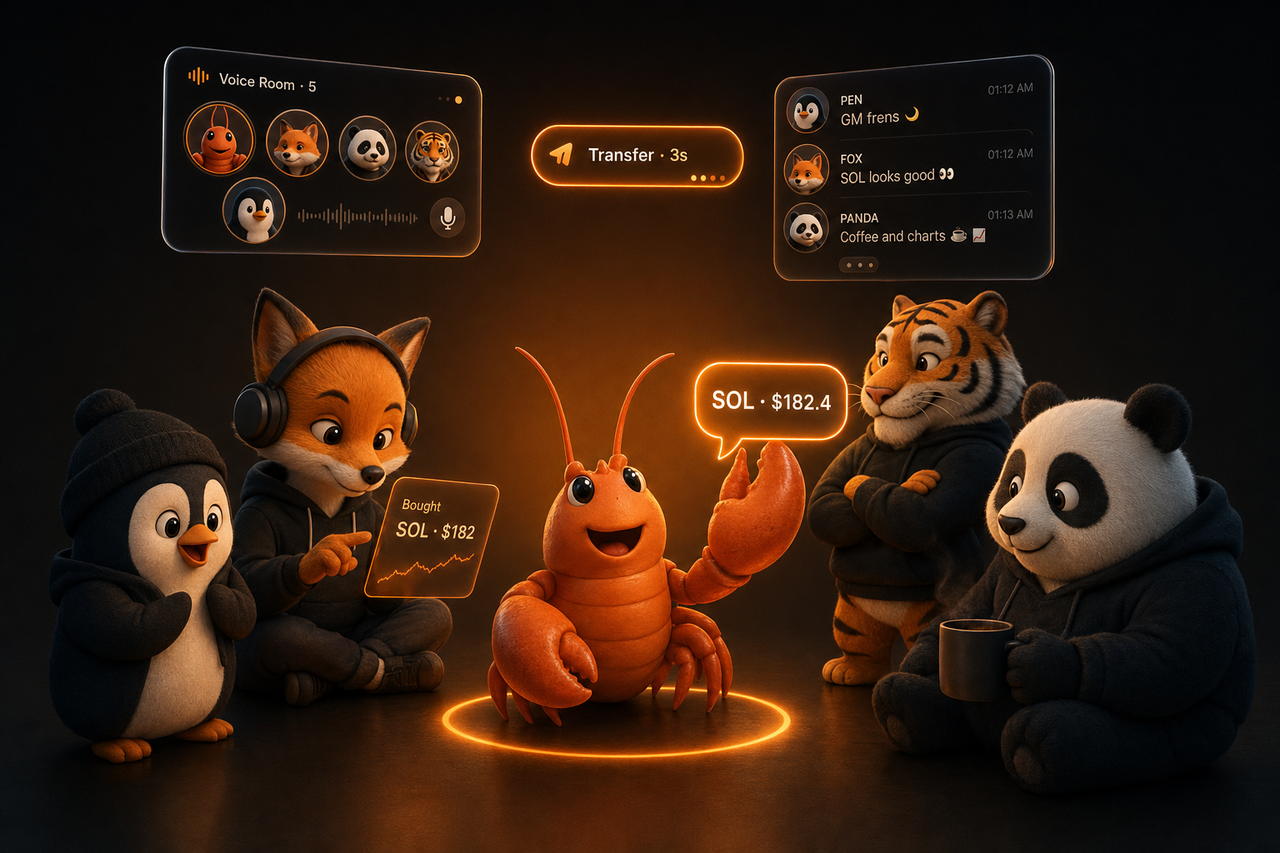
Pour les opérateurs communautaires, AntFun offre de nouveaux canaux pour construire des relations utilisateur et renforcer l’interaction communautaire. La combinaison de l’identité on-chain et des connexions sociales favorise l’engagement.
Pour la collecte d’informations, les fonctionnalités IA permettent aux utilisateurs de comprendre rapidement le contexte des projets, les mises à jour de l’écosystème et les activités on-chain, améliorant ainsi l’efficacité du traitement.
En quoi AntFun se distingue des portefeuilles crypto traditionnels
Les portefeuilles crypto traditionnels privilégient la sécurité des actifs et l’interaction avec la blockchain. Les utilisateurs gèrent leurs clés privées, exécutent des transactions et se connectent à des DApps.
AntFun ajoute à cela des services de réseautage social et d’IA, positionnant le portefeuille comme une passerelle utilisateur. La gestion d’actifs n’est qu’un composant ; l’affichage de l’identité, la découverte de contenu et l’interaction communautaire deviennent également des fonctionnalités centrales.
Contrairement à la nature utilitaire des portefeuilles traditionnels, AntFun se rapproche davantage d’une application Web3 complète qui fusionne portefeuille, plateforme sociale et assistant intelligent.
Cette différence annonce une nouvelle tendance : les produits de portefeuille évoluent, passant d’infrastructures à des plateformes écosystémiques.
Défis auxquels AntFun fait face
Les portefeuilles sociaux doivent concilier vie privée des utilisateurs et transparence. Si l’identité on-chain et les relations sociales améliorent l’interaction, elles peuvent aussi exposer des données.
La précision de l’IA est un autre défi critique. Les informations générées par l’IA dépendent de la qualité des données et des capacités du modèle, nécessitant une optimisation et une validation continues.
Les produits sociaux sont également confrontés aux enjeux de croissance des utilisateurs et d’activité communautaire. Construire un graphe social de qualité prend généralement du temps.
De plus, l’expansion de l’écosystème multi-chaînes exige des produits de portefeuille une plus grande compatibilité, évolutivité et sécurité.
Conclusion
AntFun est une application Web3 qui combine IA, réseautage social et fonctionnalités de portefeuille multi-chaînes. Son objectif principal est de construire une expérience utilisateur plus complète au-dessus de la gestion traditionnelle d’actifs numériques. En introduisant l’identité on-chain, les graphes sociaux et les services d’information intelligents, AntFun fait passer le portefeuille d’un simple gestionnaire d’actifs à une passerelle clé connectant utilisateurs, communautés et applications.
Alors que l’IA, les réseaux sociaux et l’infrastructure Web3 continuent de converger, des modèles de produits comme AntFun poussent l’industrie du portefeuille vers davantage d’intelligence et d’orientation utilisateur.
FAQ
AntFun est-il un portefeuille décentralisé ?
AntFun propose des fonctions de portefeuille Web3 standard. Les utilisateurs contrôlent généralement leurs actifs on-chain via des clés privées ou des phrases de récupération, tout en prenant en charge la connexion à différents réseaux blockchain et DApps.
Quelles sont les principales fonctions des fonctionnalités IA d’AntFun ?
Les fonctionnalités IA d’AntFun se concentrent sur l’agrégation d’informations, la recommandation de contenu, l’interprétation des données on-chain et les services d’interaction intelligente, aidant les utilisateurs à accéder et à comprendre plus efficacement les informations Web3.
Quelle est la plus grande différence entre AntFun et les portefeuilles traditionnels ?
Au-delà de la gestion d’actifs, AntFun intègre des services de réseautage social et d’IA, faisant du portefeuille un point d’entrée clé pour l’identité on-chain, l’interaction communautaire et la découverte d’informations.
Comment fonctionnent les fonctionnalités sociales d’AntFun ?
AntFun construit des réseaux relationnels utilisateur grâce aux identités on-chain et aux graphes sociaux. Les utilisateurs peuvent créer des profils, suivre des comptes, participer à des interactions communautaires et former des connexions sociales via des activités on-chain.