الهوية الرقمية كانت دومًا حجر الزاوية للإنترنت. سواءً من خلال تسجيل الدخول إلى المواقع التقليدية، أو الخضوع للتحقق من الهوية في المؤسسات المالية، أو إدارة حسابات وسائل التواصل الاجتماعي، فإن التحقق من الهوية يحدد كيفية وصول المستخدمين للخدمات وبناء الثقة. لكن في عالم Web3، غالبًا ما يُجبر المستخدمون على تكرار التحقق عبر منصات مختلفة، مما يؤدي إلى بيانات مجزأة وعمليات تحقق مكررة استمرت لسنوات.
مع تطور الهوية الرقمية، وحوكمة DAO، والأصول الواقعية (RWA)، ونظام وكيل AI، أصبحت طبقة هوية موحدة عنصرًا أساسيًا في البنية التحتية للبلوكشين. تم تقديم BNB Passport كـ حل هوية تحديدًا لتلبية هذه الحاجة.
ما هو BNB Passport؟
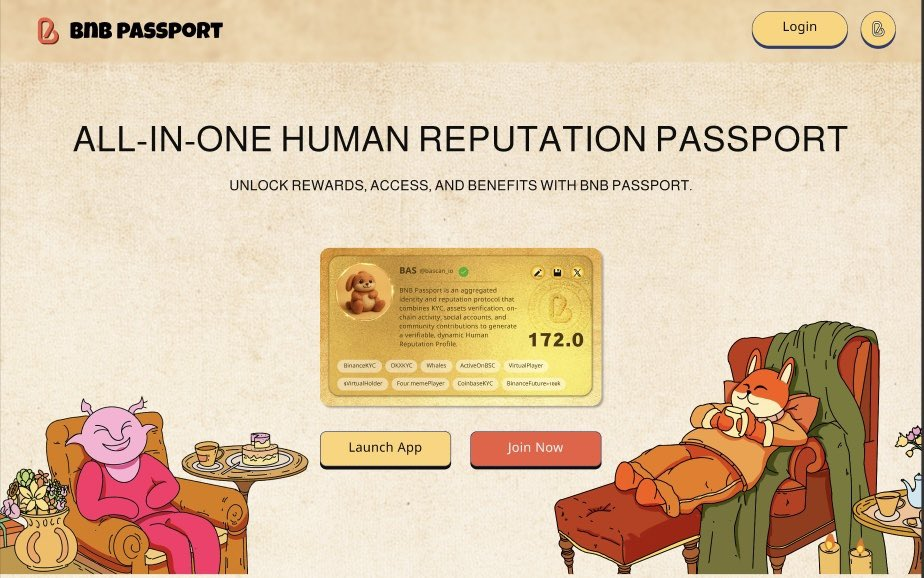
BNB Passport هو نظام هوية رقمية مبني على خدمة BNB للإثبات (BAS)، يجمع ويدير بيانات اعتماد الهوية المختلفة للمستخدمين.
في الإنترنت التقليدي، تكون معلومات الهوية عادةً معزولة داخل كل منصة. يضطر المستخدمون للتسجيل والتحقق من هوياتهم مرارًا على مواقع التجارة الإلكترونية، ووسائل التواصل الاجتماعي، والمؤسسات المالية، دون أي توافقية بين هذه السجلات.
يهدف BNB Passport إلى تغيير هذا الواقع. من خلال تحويل معلومات الهوية الموثقة إلى إثباتات، يجمع بيانات الاعتماد من مصادر مختلفة في إطار هوية موحد، ليشكل ملف هوية رقمية يظل محدثًا باستمرار.
كيف يرتبط BNB Passport بـ BAS؟
BAS هو البنية التحتية الأساسية للإثبات، بينما BNB Passport هو طبقة تطبيق الهوية المبنية فوقها.
يتولى BAS إنشاء الإثباتات وتخزينها والتحقق منها، في حين يستخدم BNB Passport تلك الإثباتات لبناء نظام هوية المستخدم. يمكنك اعتبار BAS شبكة إثبات رقمية، وBNB Passport التطبيق الذي يستفيد من هذه الإثباتات لبناء ملف هوية.
عندما يكمل المستخدمون التحقق من الهوية، أو يحصلون على عضوية في DAO، أو يجتازون تدقيقًا مؤسسيًا، تُسجل النتائج كإثباتات على شبكة BAS. ثم يقوم BNB Passport بتجميع هذه الإثباتات في ملف هوية منظم وقابل للتحقق.
باختصار، توفر BAS البنية التحتية للثقة، بينما يقدم BNB Passport قدرات إدارة الهوية.
ما هي معلومات الهوية التي يتضمنها BNB Passport؟
BNB Passport ليس مجرد أداة للتحقق من الهوية، بل هو إطار هوية قادر على تجميع أنواع متعددة من بيانات الاعتماد.
عمليًا، يمكن لـ BNB Passport دمج نتائج التحقق من الهوية (KYC)، وحسابات وسائل التواصل الاجتماعي المرتبطة، وسجل النشاط على السلسلة، وعضويات DAO، والشهادات المؤسسية. ومع تفاعل المستخدمين مع المزيد من التطبيقات، يمكن إضافة إثباتات جديدة إلى ملف هويتهم بمرور الوقت.
تتيح آلية التحديث الديناميكية هذه لنظام الهوية النمو مع المستخدم، مما يشكل صورة هوية رقمية أكثر اكتمالاً.
على عكس أنظمة الحسابات التقليدية، يركز BNB Passport على استمرارية الهوية وقابليتها للتحقق، وليس فقط أداء وظيفة بيانات تسجيل الدخول.
كيف يبني BNB Passport الهوية باستخدام الإثبات؟
الإثبات هو لبنة البناء الأساسية لـ BNB Passport.
عندما يكمل المستخدم شهادة ما، تقوم الجهة المصدقة بتوقيع إثبات مقابل عبر BAS. على سبيل المثال، يحصل المستخدمون على إثبات التحقق من الهوية بعد إتمام KYC، وإثبات العضوية بعد الانضمام إلى DAO، وربما إثبات سجل المساهمة بعد المشاركة في الحوكمة.
تُسجل هذه الإثباتات على شبكة BAS وترتبط بعنوان المستخدم. يقوم BNB Passport بتجميع هذه الإثباتات الفردية في ملف هوية منظم.
نظرًا لأن كل معلومة لها مصدر قابل للتحقق، يمكن لتطبيقات الطرف الثالث التحقق بسرعة من هوية المستخدم دون الحاجة إلى إجراء عمليات مراجعة معقدة مرة أخرى.
ما الفرق بين BNB Passport و DID؟
DID (الهوية اللامركزية) هو معيار هوية، بينما BNB Passport هو منتج هوية عملي أكثر.
يحدد DID معرفات الهوية وحقوق التحكم، مؤكدًا على سيادة المستخدم على بيانات هويته. من ناحية أخرى، يستخدم BNB Passport آلية الإثبات من BAS لجمع معلومات الهوية من مصادر مختلفة في إطار موحد.
إنهما ليسا متنافسين، بل متكاملان تمامًا.
يجيب DID على سؤال "من يملك الهوية"، بينما يعالج BNB Passport "كيفية إثبات الهوية" و"كيفية إعادة استخدامها".
من المرجح أن تحتاج أنظمة الهوية الرقمية المستقبلية إلى الاعتماد على كل من DID والبنية التحتية للإثبات.
ما هي سيناريوهات تطبيق BNB Passport؟
التمويل اللامركزي (DeFi) والتمويل المتوافق مع اللوائح
مع تشديد المتطلبات التنظيمية، تحتاج بعض بروتوكولات DeFi إلى التحقق من هوية المستخدم أو أهليته الإقليمية. يتيح BNB Passport للمستخدمين التحقق من هويتهم مع حماية خصوصيتهم، ويقلل من عمليات KYC المتكررة.
حوكمة DAO
تحتاج منظمات DAO إلى تحديد الأعضاء وتتبع المساهمات. باستخدام BNB Passport، يمكن تخزين تاريخ المشاركة في الحوكمة ومساهمات المجتمع والتحقق منها على المدى الطويل، مما يحسن كفاءة الحوكمة.
نظام الأصول الواقعية (RWA)
تعتمد الأصول الواقعية على كميات كبيرة من البيانات خارج السلسلة. يمكن لـ BNB Passport دمج هوية المستثمر، وأهلية حيازة الأصول، وشهادات الامتثال، ليشكل أساس هوية موثوقًا لتطبيقات RWA.
شبكات Web3 الاجتماعية
يمكن للمنصات الاجتماعية استخدام BNB Passport لبناء نظام مستخدم أكثر موثوقية، مما يقلل من تأثير البوتات والهويات المزيفة على المجتمع.
شبكات وكيل AI
مع زيادة دور وكلاء AI كعناصر فاعلة في نظام البلوكشين، تتزايد احتياجات التحقق من الهوية. يساعد إطار هوية BNB Passport الوكلاء على بناء سجلات سمعة وتمكين التعاون عبر المنصات.
ما التحديات التي يواجهها BNB Passport؟
بناء نظام هوية رقمية لا يخلو من التحديات.
أولاً، تعتمد مصداقية إثباتات الهوية على جودة الجهة المصدقة. إذا كانت المؤسسة المصدرة تفتقر إلى الموثوقية، فإن قيمة الإثبات تتأثر.
ثانيًا، تختلف اللوائح المتعلقة بالهوية الرقمية والخصوصية من منطقة إلى أخرى. تحقيق التوازن المناسب بين التحقق من الهوية وحماية الخصوصية لا يزال تحديًا كبيرًا للصناعة بأكملها.
ثالثًا، معايير الهوية ليست موحدة بالكامل بعد. مع ظهور المزيد من شبكات البلوكشين وبروتوكولات الهوية، ستكون التوافقية عبر السلسلة محورًا رئيسيًا في المستقبل.
خلاصة
BNB Passport هو نظام هوية رقمية مبني على BAS. يستخدم آلية الإثبات لدمج التحقق من الهوية، وسجلات النشاط، ومؤهلات الأهلية، مما يساعد المستخدمين على إنشاء ملفات هوية Web3 قابلة للتحقق وإعادة الاستخدام. مقارنة بأنظمة الهوية المجزأة في الإنترنت التقليدي، يؤكد BNB Passport على التوافقية، وقابلية التحقق، وسيطرة المستخدم على بيانات هويته.
الأسئلة الشائعة
ما الفرق بين BNB Passport و BAS؟
BAS هو البنية التحتية الأساسية للإثبات التي تنشئ الإثباتات وتتحقق منها. BNB Passport يستخدم تلك الإثباتات لبناء ملفات هوية المستخدمين. يمكن اعتبارها طبقة البنية التحتية مقابل طبقة التطبيق.
هل يتطلب BNB Passport التحقق من الهوية (KYC)؟
يمكن لـ BNB Passport دمج نتائج التحقق من الهوية (KYC) ولكنه ليس نظام KYC بحد ذاته. ما إذا كان المستخدمون بحاجة إلى إكمال التحقق من الهوية يعتمد على متطلبات التطبيق والخدمة المحددة.
هل BNB Passport و DID نفس المفهوم؟
لا. DID هو معيار هوية لامركزية، بينما BNB Passport هو منتج محدد يبني نظام هوية باستخدام الإثباتات. يركز كل منهما على جوانب مختلفة.
هل يمكن للمستخدم الحصول على إثباتات هوية متعددة؟
نعم. يدعم BNB Passport تجميع بيانات اعتماد هوية متعددة، بما في ذلك شهادات KYC، وعضويات DAO، وسجلات النشاط على السلسلة، ومؤهلات المؤسسات.