À medida que as aplicações blockchain continuam a escalar, a mainnet Ethereum enfrenta custos de transação crescentes e congestionamento da rede. As soluções de escalabilidade Layer 2 tornaram-se um caminho crítico para melhorar o desempenho da blockchain, com a tecnologia Rollup a emergir como uma das arquiteturas de escalabilidade mais dominantes. No entanto, construir uma nova rede Rollup ainda exige desenvolvimento, manutenção e atualizações complexos, aumentando a barreira à inovação na infraestrutura blockchain.
O OP Stack surgiu como uma estrutura de desenvolvimento modular neste contexto. Como peça-chave de infraestrutura no ecossistema Optimism, o OP Stack fornece aos programadores componentes padronizados e uma arquitetura aberta, tornando mais eficiente a construção de redes Layer 2.
O que é o OP Stack?
O OP Stack é uma estrutura modular de desenvolvimento blockchain de código aberto lançada pela Optimism, concebida para ajudar os programadores a construir redes Layer 2 compatíveis com Ethereum.
Ao contrário das blockchains tradicionais que exigem uma reformulação completa de raiz, o OP Stack oferece um conjunto de componentes padronizados, permitindo aos programadores construir rapidamente redes Rollup compatíveis com a Ethereum Virtual Machine (EVM).
No seu núcleo, o OP Stack não é uma blockchain autónoma, mas sim um kit de ferramentas para construir blockchains. As equipas de desenvolvimento podem selecionar e combinar diferentes módulos com base nas suas necessidades, criando redes Layer 2 com identidade própria, sistemas de governança e modelos económicos independentes.
A própria OP Mainnet é uma das redes construídas sobre o OP Stack.
Que módulos centrais compõem o OP Stack?
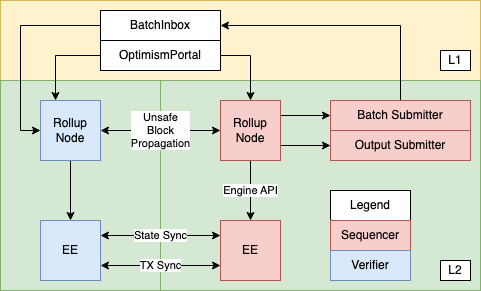
O OP Stack adota uma conceção em camadas, com cada módulo responsável por funções distintas.
Camada de execução
A camada de execução trata das transações dos utilizadores e da execução de contratos inteligentes. Os contratos Solidity e as aplicações EVM familiares aos programadores funcionam principalmente nesta camada, o que significa que a grande maioria das aplicações Ethereum pode ser diretamente migrada para redes baseadas no OP Stack.
Camada de liquidação
A camada de liquidação gere a confirmação final das transações. Atualmente, a maioria das redes OP Stack utiliza o Ethereum como camada de liquidação, garantindo a segurança final através da mainnet Ethereum.
Camada de sequenciação
A camada de sequenciação recebe e ordena as transações dos utilizadores. O Sequenciador agrupa um grande número de transações e submete-as à Layer 1, reduzindo os custos de transação e melhorando a eficiência do processamento.
Camada de disponibilidade de dados
A camada de disponibilidade de dados armazena os dados das transações. Ao armazenar publicamente as informações das transações, os participantes da rede podem verificar as alterações de estado e realizar auditorias independentes.
Camada de governança
A camada de governança trata das atualizações de protocolo, ajustes de parâmetros e gestão do ecossistema. Diferentes redes baseadas no OP Stack podem adotar mecanismos de governança independentes ou participar na governança colaborativa mais ampla da Superchain.
Como é que o OP Stack suporta o funcionamento da rede Rollup?
Um dos objetivos de conceção do OP Stack é fornecer infraestrutura unificada para redes Rollup.
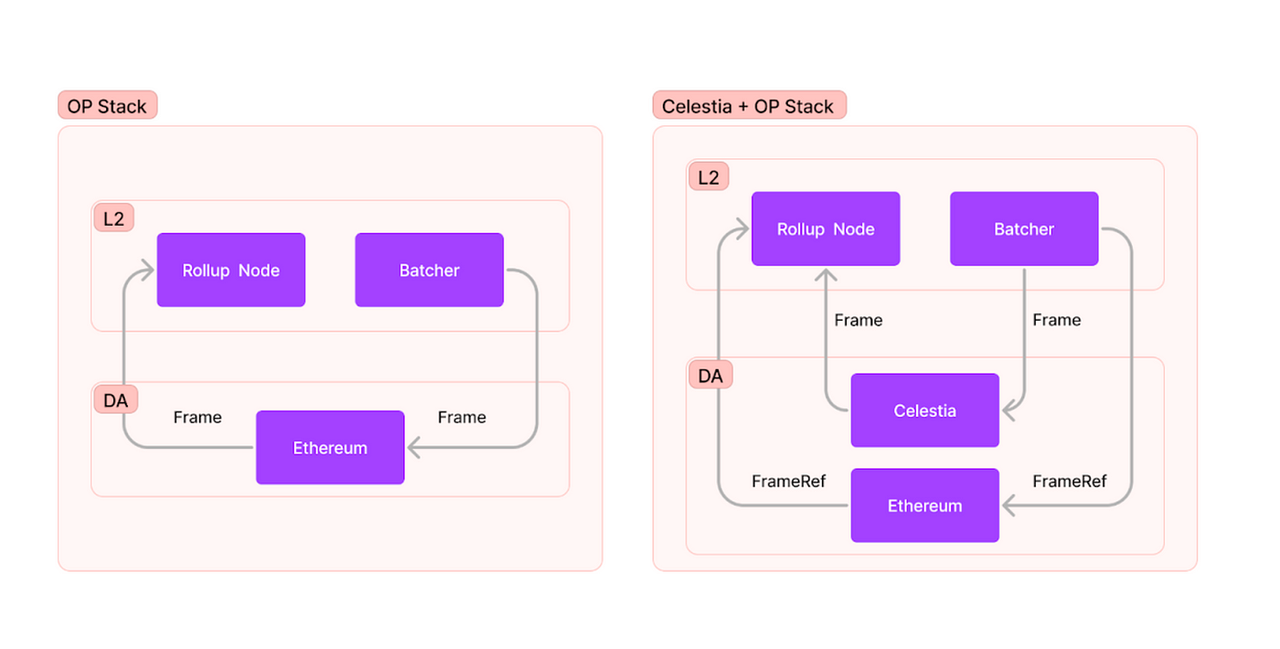
Após um utilizador iniciar uma transação, o Sequenciador ordena-a e executa-a, gerando novos dados de estado. Estes dados são depois comprimidos e enviados para o Ethereum para armazenamento e liquidação.
Ao longo deste processo, os utilizadores submetem transações, o Sequenciador executa-as, são geradas atualizações de estado, os dados Rollup são carregados para o Ethereum e a confirmação final é concluída.
Este modelo herda a segurança do Ethereum ao mesmo tempo que reduz significativamente os custos de execução on-chain. Como resultado, o OP Stack é amplamente considerado uma infraestrutura essencial para construir redes Optimistic Rollup.
Em que é que o OP Stack difere de outras estruturas de desenvolvimento blockchain?
Com a ascensão das blockchains modulares, várias estruturas de desenvolvimento entraram no mercado.
OP Stack vs. Cosmos SDK
O Cosmos SDK é utilizado principalmente para construir blockchains soberanas independentes. As redes que utilizam o Cosmos SDK geralmente têm o seu próprio conjunto de validadores e mecanismo de consenso, enquanto as redes OP Stack normalmente dependem do Ethereum para liquidação e segurança finais.
OP Stack vs. Polygon CDK
O Polygon CDK permite que os programadores criem redes Layer 2 baseadas em provas de conhecimento zero (ZK Proof). Em contraste, o OP Stack está atualmente construído principalmente em torno da arquitetura Optimistic Rollup.
OP Stack vs. Arbitrum Orbit
O Arbitrum Orbit também permite que os programadores criem redes Layer 2 ou Layer 3 personalizadas. Ambos enfatizam a escalabilidade padronizada, mas o OP Stack coloca maior ênfase na colaboração unificada e em mecanismos de atualização partilhados dentro do ecossistema Superchain.
| Dimensão |
OP Stack |
Cosmos SDK |
Polygon CDK |
Arbitrum Orbit |
| Posicionamento Central |
Estrutura Layer 2 |
Estrutura de Cadeia Soberana |
Estrutura ZK Rollup |
Estrutura Rollup |
| Fonte de Segurança |
Ethereum |
Validadores Próprios |
Ethereum |
Ethereum |
| Nível de Modularidade |
Alto |
Alto |
Alto |
Alto |
| Colaboração Superchain |
Suportada |
Não Aplicável |
Suporte Parcial |
Suporte Parcial |
| Compatibilidade EVM |
Suporte Nativo |
Opcional |
Suporte Nativo |
Suporte Nativo |
Qual é a relação entre o OP Stack e a Superchain?
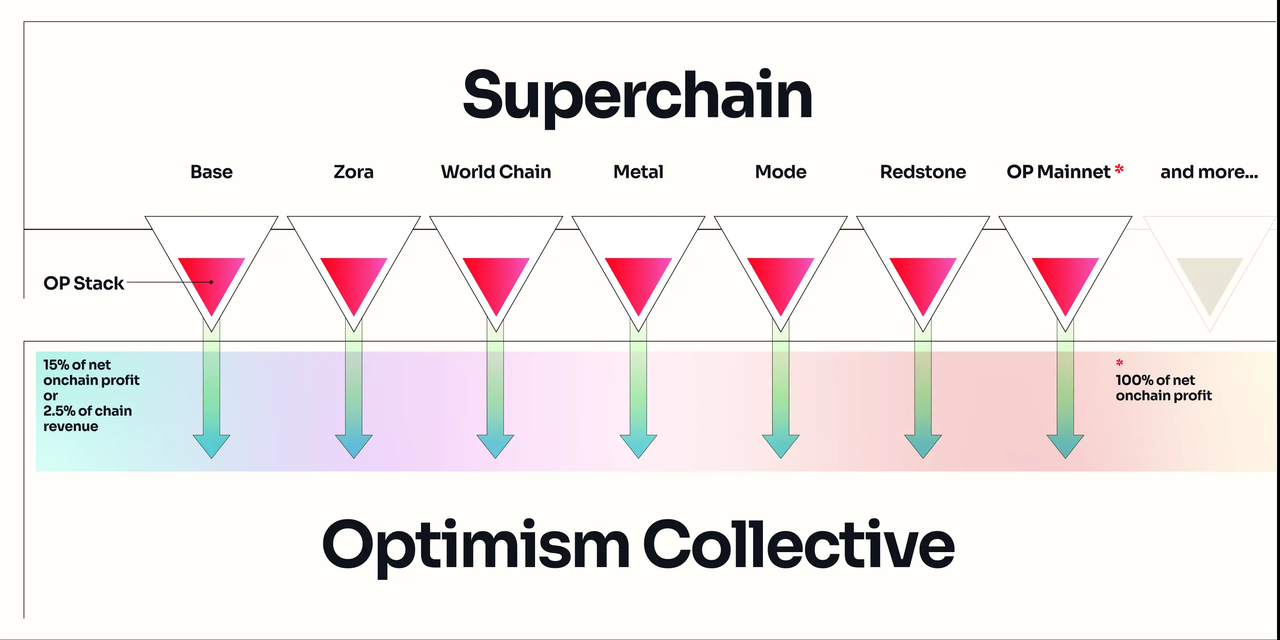
O OP Stack é a base técnica da Superchain.
A Superchain não é uma blockchain única, mas sim um ecossistema colaborativo composto por várias redes que adotam o padrão OP Stack.
Como todas as cadeias membro partilham a mesma estrutura técnica, podem alcançar um mecanismo de atualização unificado, ferramentas de desenvolvimento partilhadas, interações entre cadeias padronizadas e uma maior compatibilidade do ecossistema.
Este modelo é semelhante aos padrões de protocolo abertos na internet. Diferentes sites operam de forma independente, mas podem ainda assim interligar-se através de protocolos unificados. O OP Stack fornece esta base padronizada para a Superchain.
Que projetos estão a utilizar o OP Stack?
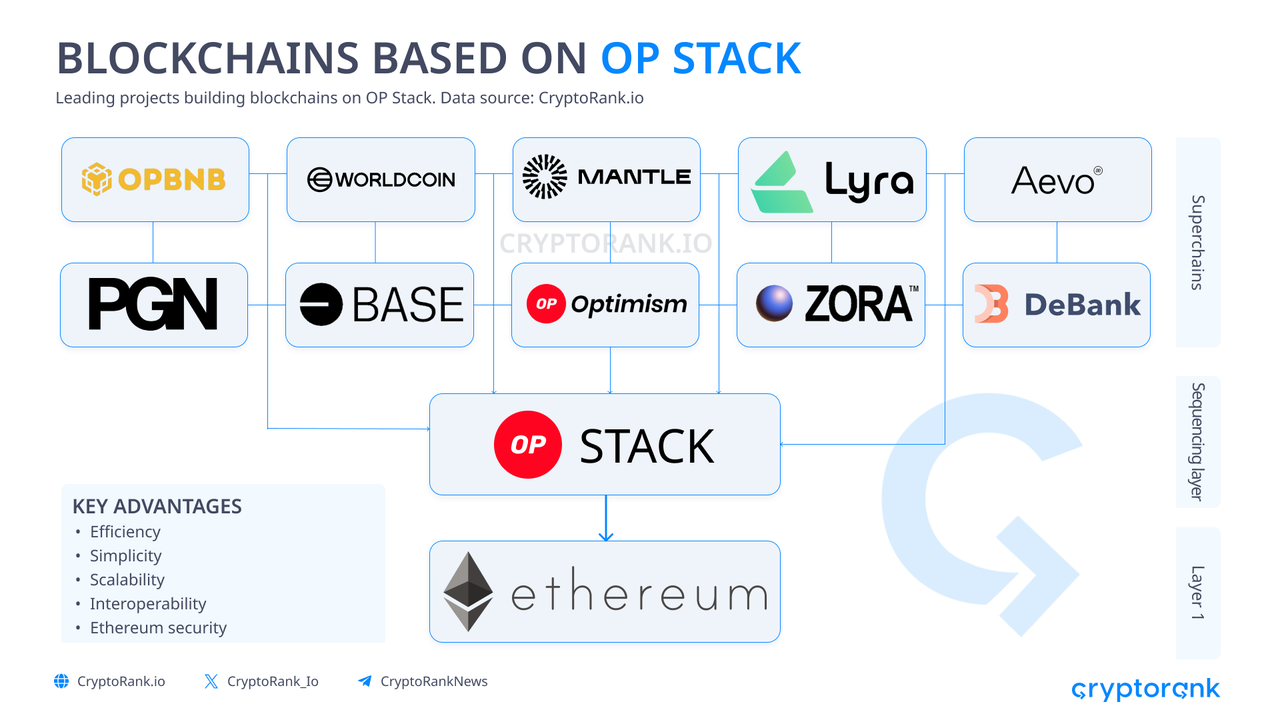
O OP Stack tornou-se uma das estruturas de desenvolvimento Layer 2 mais amplamente adotadas.
OP Mainnet
A rede Layer 2 operada oficialmente pela Optimism.
Base
Uma rede Layer 2 lançada pela Coinbase e um componente-chave do ecossistema Superchain.
World Chain
Uma rede blockchain lançada pelo projeto World, construída sobre o OP Stack.
Ink
Uma rede Layer 2 lançada pela Kraken, também construída sobre a arquitetura OP Stack.
À medida que mais projetos se juntam à Superchain, a influência do ecossistema OP Stack continua a expandir-se.
Que desafios enfrenta o OP Stack?
Apesar do rápido desenvolvimento, o OP Stack ainda enfrenta vários desafios.
O espaço das blockchains modulares é altamente competitivo, com estruturas como Polygon CDK, Arbitrum Orbit e zkSync Hyperchains a competir por recursos de programadores.
Ao mesmo tempo, persistem a fragmentação da liquidez e experiências de utilizador inconsistentes entre diferentes redes Layer 2.
À medida que a Superchain escala, alcançar coordenação de governança entre cadeias, atualizações padronizadas e equilíbrio do ecossistema tornar-se-ão questões importantes a longo prazo a resolver.
Resumo
O OP Stack é uma estrutura modular de desenvolvimento blockchain lançada pela Optimism, que utiliza componentes padronizados para ajudar os programadores a construir rapidamente redes Layer 2 compatíveis com Ethereum. A sua arquitetura central inclui a camada de execução, camada de liquidação, camada de sequenciação, camada de disponibilidade de dados e camada de governança, alcançando modularidade e padronização no desenvolvimento de redes Rollup.
Como base técnica do ecossistema Superchain, o OP Stack foi adotado por vários projetos, incluindo OP Mainnet, Base, World Chain e Ink. À medida que a blockchain modular se torna uma tendência do setor, o OP Stack está a impulsionar a evolução das redes Layer 2, de soluções de escalabilidade únicas para ecossistemas colaborativos abertos.
Perguntas frequentes
Qual é a relação entre o OP Stack e a Optimism?
Optimism é o nome de uma rede e ecossistema Layer 2, enquanto o OP Stack é a estrutura de desenvolvimento modular lançada pela Optimism. A própria mainnet da Optimism também é construída sobre o OP Stack.
O OP Stack pode ser utilizado apenas para a rede Optimism?
Não. Qualquer equipa de desenvolvimento pode utilizar o OP Stack para criar a sua própria rede Layer 2. Projetos como Base, World Chain e Ink são todos construídos sobre o OP Stack.
Porque é que o OP Stack enfatiza a modularidade?
A conceção modular permite que diferentes camadas funcionais sejam otimizadas e atualizadas de forma independente, melhorando assim a escalabilidade e reduzindo a complexidade de construir e manter redes blockchain.
Qual é a diferença entre Superchain e OP Stack?
A Superchain é um ecossistema colaborativo composto por várias redes que utilizam o OP Stack, enquanto o OP Stack é a estrutura técnica subjacente que alimenta essas redes.