مع تدفق رأس المال المتزايد نحو الذكاء الاصطناعي، والفضاء، والتصنيع المتطور، أصبحت وتيرة نمو تقييم الشركات الخاصة محور اهتمام السوق. غير أن السوق الخاصة التقليدية ظلت تعاني طويلاً من حواجز مرتفعة، وسيولة منخفضة، ووصول محدود.
تقدم PreStocks نموذجًا مبتكرًا للأسهم المرمزة وأسواق رأس المال على السلسلة. فمن خلال الجمع بين هيكل المركبة ذات الغرض الخاص (SPV)، والتسوية القائمة على البلوكشين، والتداول على مدار الساعة، تهدف إلى تجاوز العقبات التقليدية لمرحلة ما قبل الاكتتاب العام: عتبات الدخول المرتفعة، وضعف السيولة، والاحتكاك عبر الحدود.
ما هي PreStocks؟
تاريخيًا، كان الاستثمار في أسهم الشركات قبل الاكتتاب العام حكرًا على أصحاب رؤوس الأموال المخاطرة، ومكاتب العائلات، وذوي الثروات العالية، والموظفين. نادرًا ما أتيح للمستثمرين العاديين فرصة الاستثمار في شركات التكنولوجيا سريعة النمو قبل إدراجها العام، واضطروا للانتظار حتى الاكتتاب العام لشراء أسهمها.
وقد عنى ذلك أن جزءًا كبيرًا من خلق القيمة كان يحدث خلف الأبواب المغلقة في السوق الخاصة.
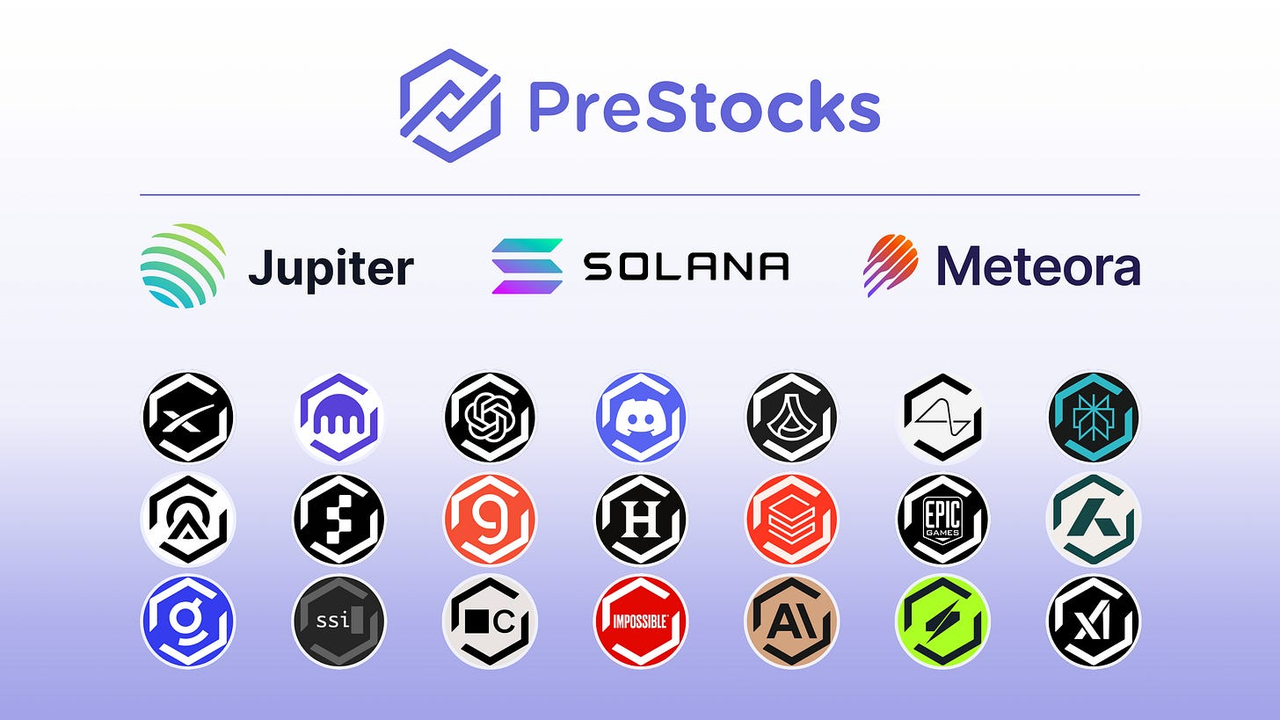
PreStocks هي منصة مكرسة لترميز الحقوق الاقتصادية للشركات الواقعة في مرحلة ما قبل الاكتتاب العام. باستخدام البلوكشين، تُحول قيمة الشركات الخاصة إلى أصول على السلسلة، مما يتيح للمستخدمين التعرض لشركات التكنولوجيا الشهيرة في السوق الخاصة. تضم المنصة حاليًا شركات بارزة مثل OpenAI وSpaceX وAnthropic وAnduril وNeuralink، وتُشغّل بنيتها التحتية للتداول على Solana.
كيف تعمل PreStocks؟
تعتمد PreStocks في جوهرها على هيكل المركبة ذات الغرض الخاص (SPV).
تستخدم المنصة كيانًا قانونيًا منفصلاً للاحتفاظ بالحقوق ذات الصلة بالشركة المستهدفة، ثم تُحول القيمة الاقتصادية لتلك الحقوق إلى رموز على السلسلة. ما يشتريه المستخدمون ليس الأسهم الرسمية للشركة، بل أصولًا على السلسلة تمثل تعرضًا لتلك الحقوق الاقتصادية.
على صعيد التداول، تستخدم PreStocks شبكة Solana لتحقيق تسوية سريعة ومنخفضة التكلفة. تُتداول الرموز على مدار الساعة على السلسلة، بعيدًا عن قيود ساعات السوق التقليدية.
ما الدور الذي يلعبه هيكل SPV؟
يشكل هيكل SPV العمود الفقري لنموذج تشغيل PreStocks.
تنطوي صفقات الأسهم الخاصة التقليدية على عقود قانونية معقدة، وسجلات أسهم، واعتماد المستثمرين. يبسط SPV هذه العملية من خلال تجميع الحقوق ذات الصلة ضمن كيان قانوني واحد يحتفظ بالأصول المستهدفة.
بمجرد أن يمتلك SPV الحقوق، يمكن للمنصة إصدار رموز على السلسلة مدعومة بتلك القيمة الاقتصادية. يكتسب حاملو الرمز تعرضًا لتغيرات تقييم الشركة المستهدفة دون أن يصبحوا مساهمين مباشرين.
يُستخدم هذا الهيكل على نطاق واسع في ترميز الأصول الواقعية، ويُطبق أيضًا على العقارات والسندات وأسهم الصناديق المُحولة إلى السلسلة.
كيف تختلف رموز PreStocks عن الأسهم الحقيقية؟
يخلط العديد من المستخدمين بين الأسهم المرمزة والأسهم الحقيقية، لكنهما مختلفتان جوهريًا.
تمثل الأسهم الحقيقية ملكية في شركة، وتتضمن عادةً حقوق التصويت، وتوزيعات الأرباح، وامتيازات المساهمين. تعكس رموز PreStocks بشكل أساسي التعرض الاقتصادي لقيمة الشركة، ولا تمنح وضع المساهم.
لذا، فإن الاحتفاظ برمز PreStocks لـ OpenAI أو SpaceX لا يعني أنك تمتلك أسهمًا مسجلة فعلية في تلك الشركات.
ما الأصول التي تدعمها PreStocks؟
تركز PreStocks على أبرز شركات التكنولوجيا الخاصة في العالم.
تتمتع هذه الشركات باهتمام سوقي كبير، وتاريخ ناضج لجمع التمويل، ومسارات نمو واضحة، مما يجعلها مرشحة مثالية للترميز.
تشمل فئات الأصول الحالية:
| الشركة |
المجال |
منصة ما قبل الاكتتاب التقليدية |
| OpenAI |
الذكاء الاصطناعي |
تداول اتفاقيات خارج المنصة |
| SpaceX |
تكنولوجيا الفضاء |
أيام إلى أسابيع |
| Anthropic |
الذكاء الاصطناعي |
وقت محدود |
| Anduril |
تكنولوجيا الدفاع |
اتفاقية أسهم |
| Neuralink |
واجهة الدماغ والحاسوب |
محدود نسبيًا |
| Figure AI |
الروبوتات |
|
| Polymarket |
أسواق التوقعات |
|
نظرًا لأن هذه الشركات لم تُطرح بعد للاكتتاب العام، فإن تقييماتها تُكتشف بشكل أساسي من خلال التداولات الخاصة وجولات التمويل.
كيف تختلف PreStocks عن منصات ما قبل الاكتتاب التقليدية؟
تُتاح منصات ما قبل الاكتتاب التقليدية فقط للمستثمرين المعتمدين وتشترط حدًا أدنى مرتفعًا للاستثمار.
يجب على المشاركين التعامل مع أوراق قانونية معقدة، وفحوصات أهلية، وفترات حظر طويلة.
في المقابل، تركز PreStocks على السيولة على السلسلة وتجربة تداول رقمية.
| البُعد |
PreStocks |
منصة ما قبل الاكتتاب التقليدية |
| طريقة التداول |
تداول على السلسلة |
تداول اتفاقيات خارج المنصة |
| وقت التسوية |
تسوية فورية |
أيام إلى أسابيع |
| ساعات فتح السوق |
24/7 |
ساعات محدودة |
| شكل الأصل |
حقوق مرمزة |
اتفاقية أسهم |
| السيولة |
عالية نسبيًا |
محدودة نسبيًا |
لا يُغير هذا النموذج الأصول الأساسية، لكنه يُحدث تحولًا في كيفية تحرك القيمة وتداولها.
التطبيقات اللامركزية المحتملة لـ PreStocks
تتمثل إحدى المزايا الرئيسية للأصول المرمزة في قابلية التركيب.
من الصعب دمج الأسهم الخاصة التقليدية في البروتوكولات المالية. لكن يمكن دمج الرموز على السلسلة في منصات الإقراض، ومجمعات السيولة، والمشتقات، وبروتوكولات إدارة الأصول.
بالنظر إلى المستقبل، قد تصبح أسهم ما قبل الاكتتاب المرمزة لبنة أساسية لأسواق رأس المال على السلسلة، إلى جانب العملات المستقرة ورموز الخزانة والأصول الواقعية الأخرى، لتشكل بنية تحتية مالية جديدة.
إذا نضج النظام البيئي، يمكن للأسهم على السلسلة تطوير أسواقها الثانوية وخدماتها المالية الخاصة.
المخاطر والتحديات
على الرغم من ابتكار سوق ما قبل الاكتتاب المرمزة، إلا أنها تواجه عدة عقبات.
مخاطر السيولة: بعض أسواق الرموز ضعيفة بعمق محدود قد يضخم تقلبات الأسعار.
مخاطر التقييم: لا تملك الشركات الخاصة سعر سوق عام؛ تعتمد القيمة على جولات التمويل والتداولات الخاصة ومعنويات السوق.
مخاطر SPV القانونية والتشغيلية: يجب على المستثمرين فهم كيفية الاحتفاظ بالأصول، وكيفية إسناد الحقوق، والإطار القانوني المعني.
عدم اليقين التنظيمي: تختلف الولايات القضائية في معالجة ترميز الأوراق المالية والأسهم الخاصة الرقمية، وهو تحدٍ طويل الأجل للصناعة.
الخلاصة
تُرمّز PreStocks الحقوق الاقتصادية للشركات في مرحلة ما قبل الاكتتاب العام باستخدام هيكل SPV وتقنية البلوكشين لتحويل قيمة الشركات الخاصة إلى أصول قابلة للتداول على السلسلة. تتمثل مهمتها الأساسية في تحسين الوصول إلى السوق والسيولة مع الحفاظ على منطق القيمة للأسهم الخاصة التقليدية.
كمثال بارز على تطور الأصول الواقعية وأسواق رأس المال على السلسلة، تُظهر PreStocks كيف يمكن للبلوكشين أن تجسر الفجوة بين الأسواق الخاصة والنظام البيئي للأصول الرقمية. ومع ذلك، لا تزال الأسهم المرمزة في مراحلها المبكرة. ستواصل الصناعة استكشاف مجالات السيولة والتقييم والهياكل القانونية والتنظيم.
الأسئلة الشائعة
هل يتمتع حاملو PreStocks بحقوق التصويت؟
عادةً لا. تعكس رموز PreStocks التعرض الاقتصادي. تبقى حقوق التصويت والحوكمة مع الأطراف ذات الصلة بموجب الهيكل القانوني الأساسي.
ما معنى SPV في PreStocks؟
SPV تعني المركبة ذات الغرض الخاص. هذا الكيان القانوني يحتفظ بالأصول ويُحول قيمتها الاقتصادية إلى رموز على السلسلة، وهو جزء أساسي من بنية PreStocks.
لماذا توجد OpenAI وSpaceX على PreStocks؟
هذه شركات تكنولوجيا خاصة بارزة. تحصل PreStocks بشكل قانوني على تعرض لحقوقها الاقتصادية وتُحول ذلك إلى أصول على السلسلة للتداول.
هل يمكن استبدال رموز PreStocks بأسهم حقيقية؟
يعتمد ذلك على تصميم المنتج المحدد والهيكل القانوني. توفر معظم منتجات الأسهم المرمزة تعرضًا اقتصاديًا فقط، ولا يمكن استبدالها مباشرة بأسهم الشركة.