

Trade
Basic
Futures
Futures
Hundreds of contracts settled in USDT or BTC
Options
HOT
Trade European-style vanilla options
Unified Account
Maximize your capital efficiency
Demo Trading
Futures Kickoff
Get prepared for your futures trading
Futures Events
Participate in events to win generous rewards
Demo Trading
Use virtual funds to experience risk-free trading
Earn
Launch
CandyDrop
Collect candies to earn airdrops
Launchpool
Quick staking, earn potential new tokens
HODLer Airdrop
Hold GT and get massive airdrops for free
Launchpad
Be early to the next big token project
Alpha Points
NEW
Trade on-chain assets and enjoy airdrop rewards!
Futures Points
NEW
Earn futures points and claim airdrop rewards
Investment
Simple Earn
Earn interests with idle tokens
Auto-Invest
Auto-invest on a regular basis
Dual Investment
Buy low and sell high to take profits from price fluctuations
Soft Staking
Earn rewards with flexible staking
Crypto Loan
0 Fees
Pledge one crypto to borrow another
Lending Center
One-stop lending hub
VIP Wealth Hub
Customized wealth management empowers your assets growth
Private Wealth Management
Customized asset management to grow your digital assets
Quant Fund
Top asset management team helps you profit without hassle
Staking
Stake cryptos to earn in PoS products
Smart Leverage
NEW
No forced liquidation before maturity, worry-free leveraged gains
GUSD Minting
Use USDT/USDC to mint GUSD for treasury-level yields

More


Trending Topics
View More5.18K Popularity
326.69K Popularity
37.32K Popularity
2.02K Popularity
1.88K Popularity




Pin
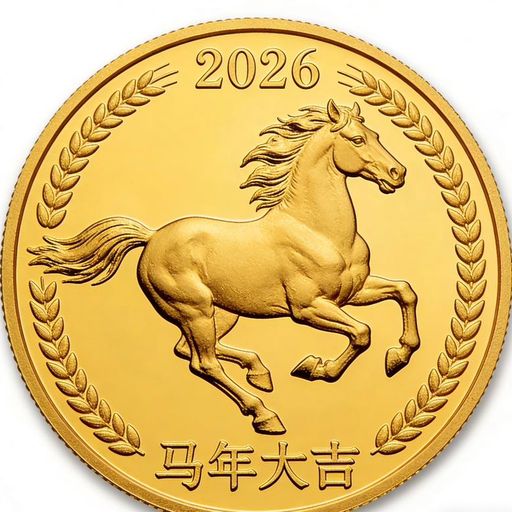
#GoldandSilverHitNewHighs
Market Perspective January 19, 2026
Gold and silver hitting new highs is not a random price event; it is a clear reflection of how global capital is repositioning in response to rising macro and geopolitical uncertainty. As of today, January 19, 2026, precious metals are once again proving their role as strategic safe-haven assets, attracting strong inflows as investors reassess risk across equities, currencies, and high-beta assets.
The primary driver behind this rally is the intensifying risk-off sentiment in global markets. Ongoing geopolitical tensions, trade policy uncertainty, and fragile economic signals have increased demand for assets that preserve value during instability. Gold, in particular, benefits when confidence in fiat currencies weakens or when investors expect monetary policy to turn more accommodative. At the same time, silver is outperforming due to its dual role as both a monetary metal and an industrial input, allowing it to benefit from inflation hedging as well as future growth expectations.
Another critical factor supporting these new highs is the shift in interest rate expectations. Markets are increasingly pricing in the possibility of slower growth and potential policy easing ahead. When real yields soften, the opportunity cost of holding non-yielding assets like gold and silver declines, making them more attractive in diversified portfolios. This environment historically favors sustained strength in precious metals rather than short-lived spikes.
From a structural perspective, central bank behavior continues to provide long-term support for gold. Persistent accumulation of gold reserves by central banks reinforces confidence in gold as a reserve asset, tightening available supply in the open market. This underlying demand creates a strong price floor, even during short-term pullbacks. Silver, meanwhile, is seeing renewed interest as the gold-silver ratio adjusts, suggesting that silver may still have relative upside if industrial demand expectations improve.
It is also important to note that local markets are feeling amplified effects of this global rally. Currency pressures and import dynamics are pushing domestic gold and silver prices to record levels, reinforcing their role as stores of value for both investors and long-term holders. This reinforces why precious metals remain relevant not only for traders, but also for capital preservation strategies.
Looking ahead, while short-term corrections are always possible after sharp rallies, the broader trend remains constructive as long as macro uncertainty persists and monetary conditions remain supportive. Gold and silver breaking into new high territory signals more than momentum; it reflects a structural shift in how risk is being priced across global markets.
In this environment, the key question is not whether volatility will appear, but whether pullbacks are viewed as exits or strategic opportunities. With fundamentals aligned, precious metals continue to justify their position at the center of defensive portfolio allocation.