


Futures
Access hundreds of perpetual contracts
TradFi
Gold
One platform for global traditional assets
Options
Hot
Trade European-style vanilla options
Unified Account
Maximize your capital efficiency
Demo Trading
Introduction to Futures Trading
Learn the basics of futures trading
Futures Events
Join events to earn rewards
Demo Trading
Use virtual funds to practice risk-free trading
Launch
CandyDrop
Collect candies to earn airdrops
Launchpool
Quick staking, earn potential new tokens
HODLer Airdrop
Hold GT and get massive airdrops for free
Launchpad
Be early to the next big token project
Alpha Points
Trade on-chain assets and earn airdrops
Futures Points
Earn futures points and claim airdrop rewards


More




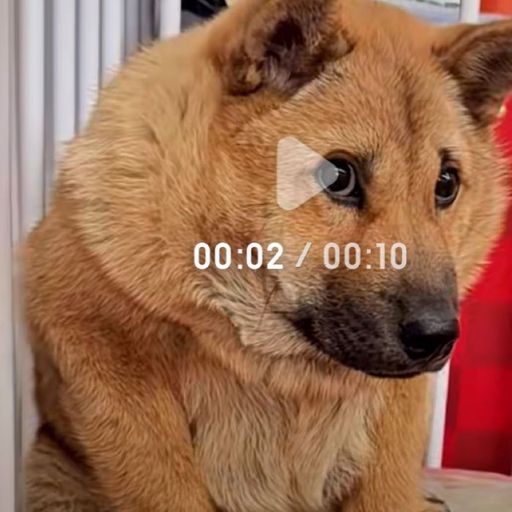

The Complete Guide to Dog Cherry Eye Surgery Costs and What Pet Owners Must Know
When your furry companion develops a sudden red or pink bulge in the corner of their eye, it’s natural to feel concerned. This common condition, known as cherry eye in dogs, requires professional attention and often surgical intervention. Understanding the financial aspects of cherry eye surgery for dogs—including typical costs, what’s included, and payment options—can help you make informed decisions about your pet’s eye health care.
The financial investment for addressing cherry eye in dogs typically ranges from $300 to $1,500, depending on various factors unique to your situation. Dr. Megan Conrad, D.V.M., a veterinary advisor at Hello Ralphie, explains that the wide range reflects differences in treatment approaches, facility locations, and the severity of each individual case.
Understanding Cherry Eye in Dogs: Why Surgery Costs Matter
Before discussing the financial aspects, it’s important to understand what cherry eye actually is. Dogs, like cats, possess a third eyelid called the nictitating membrane. At the base of this membrane sits a tear-producing gland essential for maintaining proper eye moisture and health. When this gland becomes displaced and protrudes from behind the eyelid, it appears as a distinctive pink or reddish mass in the corner of the dog’s eye—the condition known as cherry eye.
This condition differs from other canine eye problems such as glaucoma, cataracts, or dry eyes. While cherry eye in dogs may seem cosmetic, it requires serious consideration because the affected gland plays a crucial role in tear production. Ignoring this issue can lead to severe complications, including corneal ulcers and potentially permanent vision loss.
Breaking Down the Price: Factors Influencing Cherry Eye Surgery Expenses
Several variables determine the final cost of cherry eye surgery for dogs, making it essential to discuss these factors with your veterinarian before proceeding:
Geographic location significantly impacts pricing. Urban veterinary practices in major metropolitan areas typically charge more than facilities in smaller towns or rural regions, reflecting differences in overhead costs and market demand.
Provider expertise influences the fee structure. When a board-certified veterinary ophthalmologist performs the procedure rather than a general practice veterinarian, expect higher costs due to their specialized training and experience.
Number of affected eyes directly multiplies expenses. If cherry eye in dogs develops in both eyes, the surgical intervention costs will increase compared to treating a single eye.
Dog’s size determines medication and anesthesia requirements. Larger breeds require greater quantities of anesthetic agents and post-operative medications, which increases the overall surgical expense.
What Your Cherry Eye Surgery Quote Should Include
Before committing to any procedure, request a detailed cost breakdown from your veterinary provider. A comprehensive quote for cherry eye surgery in dogs should encompass several components:
However, it’s surprisingly common for initial quotes to omit additional services that may become necessary. Always clarify which services are included in the quoted price to avoid unexpected bills after the procedure.
Hidden Costs: What’s Typically Not Covered in Surgery Pricing
Many pet owners face surprise expenses after cherry eye surgery for dogs. To prevent financial surprises, confirm whether your quote includes:
Pre-operative bloodwork is frequently charged separately, despite being a standard safety precaution before anesthesia.
Intravenous fluid therapy administered during the surgical procedure is sometimes billed as an additional line item rather than included in the base surgical fee.
At-home medications for pain management and infection prevention often come with unexpected costs. Antibiotics and pain relievers for post-operative care are frequently not included in the initial quote.
Complication management represents another potential expense. If unexpected complications arise during or after the cherry eye surgery for dogs, emergency interventions could significantly increase your total investment.
Is Surgery Necessary? Understanding Why Cherry Eye in Dogs Requires Intervention
Once cherry eye develops, surgical intervention is the only permanent solution available. This is a critical distinction for pet owners considering whether to delay treatment.
If left untreated, the condition causes progressive discomfort. Affected dogs typically respond by repeatedly rubbing or pawing at their eyes, which can lead to corneal scratches, secondary infections, and accelerated tissue damage.
The American College Of Veterinary Ophthalmologists emphasizes that surgical replacement or repositioning—rather than complete gland removal—is the recommended approach. This preservation strategy is vital because removing the gland entirely can result in permanent inadequate tear production. Dogs suffering from dry eyes must receive topical medication multiple times daily for the rest of their lives, creating ongoing medical expenses and quality-of-life concerns.
In worst-case scenarios, untreated cherry eye in dogs can progress to corneal ulceration, leading to irreversible vision loss or complete eye loss. This sobering reality underscores why early intervention, despite its upfront cost, represents better long-term value than delaying treatment.
Post-Operative Care: Recovery Timeline and Management
Understanding the recovery process helps you prepare for the post-surgical period after cherry eye surgery for dogs. Most veterinarians send patients home wearing an Elizabethan collar (cone) to prevent self-trauma to the surgical site.
Anesthesia recovery typically requires 24 to 48 hours, during which your dog will appear groggy and require rest and limited activity. Swelling at the surgical site is normal and should diminish within approximately one week. Complete healing generally takes 10 to 14 days.
During this critical recovery window, strict medication compliance is essential. Your veterinarian will likely prescribe antibiotics to prevent infection and analgesics to manage post-operative discomfort. The Elizabethan collar must remain in place to prevent your dog from scratching or damaging the healing incision. Any deviation from post-operative instructions can compromise the surgical outcome and necessitate additional interventions.
Financing Options: Making Cherry Eye Surgery Affordable
The cost of cherry eye surgery for dogs shouldn’t prevent necessary treatment. Multiple financial solutions exist to make this essential intervention accessible:
Pet insurance policies vary significantly in their coverage of cherry eye procedures. Review your specific policy details to determine whether your dog’s condition qualifies for coverage. If your insurance doesn’t cover cherry eye surgery for dogs, explore alternative options.
Veterinary payment plans offered by many clinics split the total bill into manageable monthly installments, eliminating the need to pay the complete amount upfront. Discuss these flexible options with your veterinary provider.
CareCredit is a specialized medical credit card designed for healthcare expenses, including veterinary services. This option offers short-term financing for expenses of $200 or more, with promotional periods of 6, 12, 18, or 24 months at zero interest—provided you pay the full balance before the promotional period expires. Important caution: the card’s standard interest rate of 26.99% applies if any balance remains after the zero-interest period ends.
Crowdfunding platforms such as GoFundMe and Waggle have emerged as increasingly viable options for pet medical expenses. Be aware of any service fees these platforms charge. Additionally, GoFundMe maintains a list of charitable organizations specifically dedicated to assisting pet owners with veterinary bills.
Early Detection: Can Cherry Eye in Dogs Be Prevented?
Unfortunately, cherry eye cannot be prevented, though certain breeds demonstrate higher predisposition to the condition. According to the Merck Veterinary Manual, cherry eye occurs most frequently in younger dogs and specific breeds including American cocker spaniels, Lhasa apsos, beagles, Pekingese, and English bulldogs.
While prevention isn’t possible, early detection can minimize complications and potentially reduce treatment complexity. Pet owners with predisposed breeds should establish a routine eye-monitoring habit. Regular veterinary examinations remain essential, supplemented by home observations.
During home checks, examine your dog’s eyes for these important indicators:
Establishing this monitoring routine takes minimal time but can catch cherry eye in dogs at early stages when intervention may be simpler and less costly.
Recognizing the Signs: Identifying Cherry Eye Symptoms Early
The American College Of Veterinary Ophthalmologists notes that cherry eye develops most commonly in younger dogs and is generally straightforward to identify due to its distinctive appearance. However, pet owners should understand that the prolapsed gland may intermittently retract, then reappear—sometimes creating confusion about whether the condition has resolved on its own.
Any of the following symptoms warrants prompt veterinary consultation:
Your veterinarian can definitively diagnose cherry eye in dogs and recommend the most appropriate treatment strategy for your pet’s specific situation. Early professional evaluation prevents complications and ensures your dog receives timely intervention. While the financial considerations of cherry eye surgery for dogs warrant careful planning, the alternative—delayed treatment with associated complications—typically results in greater expense and suffering for your beloved companion.