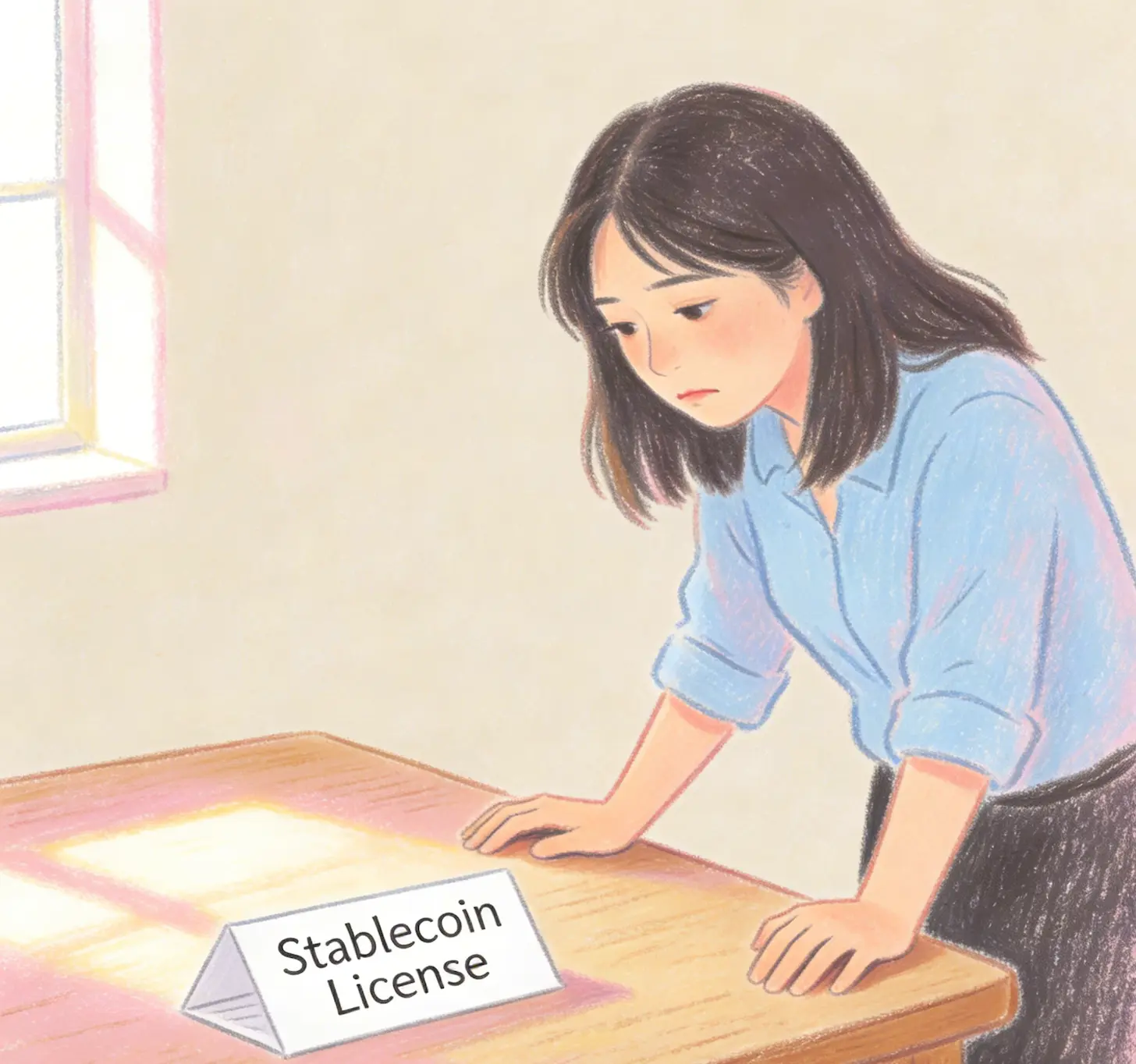
 Hong Kong did not issue its anticipated first batch of stablecoin licenses by the end of March 2026, despite public statements from senior officials at the Consensus Hong Kong conference in February indicating that licenses would begin to be issued during the month.
The Hong Kong Monetary Authority (HKMA) stated on April 1 that it is actively taking forward the licensing matter and will announce further details in due course, with analysts attributing the delay to administrative review processes and the regulator’s cautious stance toward launching the first batch of regulated stablecoin licenses.
Regulators Prioritize Quality over Speed in Stablecoin Licensing Review
Industry participants and analysts suggested the delay reflects the HKMA’s commitment to thorough review rather than any fundamental setback to Hong Kong’s stablecoin framework. Jack Poon, a member of the task force on promoting Hong Kong Web3 development and professor of fintech at Hong Kong Polytechnic University, stated that the delay is likely administrative to ensure all items are checked, adding that the narrative of how new issuers will position themselves for the future is also being considered.
Livio Weng, CEO of Hong Kong-licensed virtual asset manager Bitfire, said any minor delay in issuing the first licenses signals regulators’ priority on quality over speed. Weng noted that Hong Kong’s approach to digital finance leadership has consistently been “strict first, flexible later,” ensuring the stablecoin ecosystem is built on a secure foundation from the start.
Richard Portes, professor of economics at London Business School, supported Hong Kong’s cautious approach, noting that the basic risk with stablecoins is the risk of a run similar to a bank run. He stated that if holders begin doubting whether reserves backing stablecoins are really there or liquid, redemption dynamics similar to bank runs could occur, and Hong Kong’s detailed regulation being implemented represents a prudent approach.
Major Banks and Consortia Positioned as Likely First License Recipients
HSBC and a joint venture between Standard Chartered, Animoca Brands, and Hong Kong Telecommunications have been widely tipped as among the first batch of institutions to obtain stablecoin issuer licenses. Both HSBC and Standard Chartered are note-issuing banks in Hong Kong, a status that ties them directly to the Hong Kong dollar’s issuance framework and underscores how closely the stablecoin regime is being linked to existing monetary infrastructure.
The note-issuing system dates back to 1846, when private banks began issuing currency backed by silver deposits. Today, each note-issuing bank deposits US dollars with the government’s Exchange Fund at the fixed rate of HK$7.80 per dollar and receives Certificates of Indebtedness in return, against which it prints banknotes. HKMA Chief Executive Eddie Yue drew the parallel in a December 2023 blog post, describing pre-1935 banknotes as a form of “private money” and stablecoins as their blockchain-based equivalent.
High Regulatory Standards Aim to Prevent Stablecoin Runs
The HKMA has set stringent requirements for license holders, requiring them to meet strict capital, reserve, and redemption standards designed to ensure stablecoins remain backed and redeemable at all times. Financial Secretary Paul Chan Mo-po stated at Consensus Hong Kong in February that in giving licenses, the HKMA ensures licensees have novel use cases, credible and sustainable business models, and strong regulatory compliance capabilities.
Kenny Tang Sing-hing, chairman of the Hong Kong Institute of Financial Analysts and Professional Commentators, stated that the stablecoin licensing push is aligned with Beijing’s policy of developing Hong Kong into a leading global Web3 and digital-asset hub. Tang expressed confidence that even if the announcement is not made in March, the overall plan will not be affected.
The HKMA spokesperson declined to give a reason for the delay, stating only that the authority is actively taking forward the licensing matter and will announce further details in due course.
FAQ
Why has Hong Kong delayed issuing its first stablecoin licenses?
The HKMA has not provided a specific reason for the delay, but analysts suggest it reflects administrative review processes and the regulator’s priority on ensuring thorough compliance checks before issuing the first batch of licenses. Officials have previously indicated that licensees must demonstrate novel use cases, sustainable business models, and strong regulatory compliance capabilities.
Which institutions are expected to receive the first stablecoin licenses in Hong Kong?
HSBC and a joint venture between Standard Chartered, Animoca Brands, and Hong Kong Telecommunications have been widely reported as likely early license recipients. Both HSBC and Standard Chartered are note-issuing banks in Hong Kong, linking the stablecoin regime directly to the city’s existing monetary infrastructure.
What standards must stablecoin issuers meet under Hong Kong’s regulatory framework?
The HKMA requires stablecoin issuers to meet strict capital, reserve, and redemption standards designed to ensure tokens remain fully backed and redeemable at all times. Licensees must demonstrate credible business models, strong compliance capabilities, and novel use cases for their stablecoin products.
Disclaimer: The information on this page may come from third parties and does not represent the views or opinions of Gate. The content displayed on this page is for reference only and does not constitute any financial, investment, or legal advice. Gate does not guarantee the accuracy or completeness of the information and shall not be liable for any losses arising from the use of this information. Virtual asset investments carry high risks and are subject to significant price volatility. You may lose all of your invested principal. Please fully understand the relevant risks and make prudent decisions based on your own financial situation and risk tolerance. For details, please refer to
Disclaimer.


