Recent changes in the international situation, to put it plainly, are an escalation show of resource competition and financial sanctions—great power asset isolation and wealth freezing measures are becoming more frequent. This actually provides a rare opportunity for the crypto market to reflect deeply.
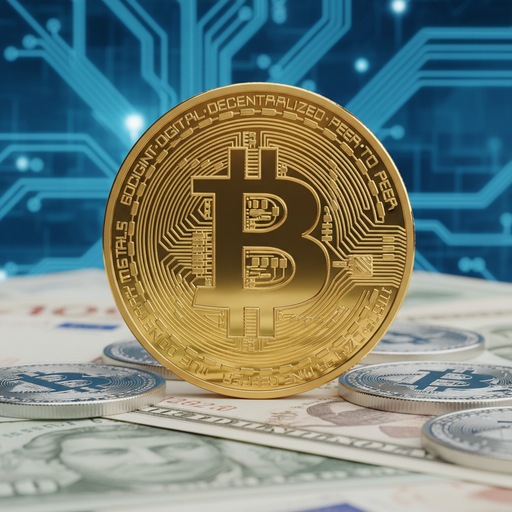
It may sound exaggerated, but the impact on Bitcoin is indeed profound. Whenever the real world plays out scenarios like "asset seizure" and "account freezing," those labels for Bitcoin—impossible to freeze, globally free flow, censorship-resistant—are no longer just concepts but real survival needs. This is not hype; it is the market’s genuine pricing of risk.
More importantly, when great powers demonstrate how strong their "long-arm jurisdiction" is, more countries, large enterprises, and even high-net-worth individuals will seriously consider a question: how can I allocate some of my wealth to places that no single country can directly control? Bitcoin and crypto assets are becoming the core options for this answer. This has brought enormous incremental demand to the entire crypto ecosystem, which is real and not imaginary.
For participants, the key is to understand the trend:
First, treat Bitcoin holdings as a "geopolitical risk hedging tool." Its value will fluctuate with global uncertainties and the frequency of sanctions.
Second, closely monitor countries and institutions facing sanctions pressure or at risk of sanctions. Will they accelerate incorporating Bitcoin into their payment systems or reserve assets?
Third, stay committed. Short-term market volatility is noise; long-term trends are the signals.
This page may contain third-party content, which is provided for information purposes only (not representations/warranties) and should not be considered as an endorsement of its views by Gate, nor as financial or professional advice. See Disclaimer for details.
23 Likes
Reward
23
6
Repost
Share
Comment
0/400
BuyHighSellLow
· 01-08 19:16
Honestly, this time is truly different, not just hype.
Asset freezing has become routine, and the "censorship-resistant" label of Bitcoin suddenly has real demand.
The key is that those big players are now really panicking and need to find places to hide their money.
Long-term holding is the way to go; don't be scared by short-term fluctuations.
This cycle has just begun, and smart people are secretly accumulating.
View OriginalReply0
ProposalDetective
· 01-08 14:46
Damn, this is the real macro narrative, not those air hype.
---
It's been obvious for a while now that asset freezes have become routine operations; BTC's value is right here.
---
Exactly, the real hedging demand is here, not just speculation.
---
The stronger the extraterritorial jurisdiction, the more people think about diversifying risk, this logical closed loop.
---
It’s tough, but that’s also why you should hold some BTC in your wallet.
---
The key question is, are government agencies really stockpiling, or are we just speculating ourselves?
---
Persistence, persistence, persistence... sounds good, but who can withstand a 10% drop?
---
This is the so-called macro narrative, but will the market really follow this logic?
---
The more frequent the sanctions, the more valuable BTC becomes—an desperate logic, but surprisingly correct.
---
I just want to ask, can I still get in now, or has it already been pumped to the top?
View OriginalReply0
AirdropFreedom
· 01-08 01:52
Well said, the issue of assets being frozen indeed hits the sore spot.
Big countries playing the freeze game, Bitcoin is the real escape route.
It has long been understood that this is not just hype, but a necessity.
View OriginalReply0
GateUser-a5fa8bd0
· 01-08 01:51
Damn, this logic is really top-notch. Once the asset freeze process appeared, BTC immediately shifted from being a "speculative concept" to a "necessity tool." This transformation is quite impressive.
Honestly, now countries are all playing the "asset freeze" game. Who doesn't want to leave a backup plan for themselves... That's why I say Bitcoin is increasingly less like a speculative asset and more like some kind of... necessary insurance? Anyway, I'm becoming more and more convinced by this logic.
Long-term signals vs short-term noise, very true. Most people are driven crazy by the daily fluctuations; the bigger picture has long been elsewhere.
Speaking of holding Bitcoin as a hedge tool, the mindset has to be a bit different. It's not about short-term trading, but really betting on a big trend. It's a bit risky but also somewhat clear-headed. This feels pretty fresh.
View OriginalReply0
GweiWatcher
· 01-08 01:51
Wait, does this logic really hold? The more assets are frozen, the more people need to hoard Bitcoin?
---
Nonsense, sanctions are sanctions, but BTC still fluctuates with political cycles.
---
Sounds nice, but who dares to use it at critical moments...
---
This is exactly what I've been saying, geopolitical risk is the next core narrative.
---
Yes, yes, if you don't understand the trend, you'll get caught off guard.
---
It sounds like a story for high-net-worth individuals, but it does make sense.
---
Got it, got it, another wave of risk hedging new mysticism.
---
The key issue is that the truly wealthy have already been doing this; we're just catching up late.
---
Laughing to death, when the country actually sanctions you, your Bitcoin wallet won't escape.
---
In the face of long-arm jurisdiction, there is no real "safe haven." That's overthinking it.
View OriginalReply0
DAOdreamer
· 01-08 01:35
That's right, the asset freezing tricks are becoming more and more frequent, and Bitcoin's value proposition is becoming more and more solid.
Recent changes in the international situation, to put it plainly, are an escalation show of resource competition and financial sanctions—great power asset isolation and wealth freezing measures are becoming more frequent. This actually provides a rare opportunity for the crypto market to reflect deeply.
It may sound exaggerated, but the impact on Bitcoin is indeed profound. Whenever the real world plays out scenarios like "asset seizure" and "account freezing," those labels for Bitcoin—impossible to freeze, globally free flow, censorship-resistant—are no longer just concepts but real survival needs. This is not hype; it is the market’s genuine pricing of risk.
More importantly, when great powers demonstrate how strong their "long-arm jurisdiction" is, more countries, large enterprises, and even high-net-worth individuals will seriously consider a question: how can I allocate some of my wealth to places that no single country can directly control? Bitcoin and crypto assets are becoming the core options for this answer. This has brought enormous incremental demand to the entire crypto ecosystem, which is real and not imaginary.
For participants, the key is to understand the trend:
First, treat Bitcoin holdings as a "geopolitical risk hedging tool." Its value will fluctuate with global uncertainties and the frequency of sanctions.
Second, closely monitor countries and institutions facing sanctions pressure or at risk of sanctions. Will they accelerate incorporating Bitcoin into their payment systems or reserve assets?
Third, stay committed. Short-term market volatility is noise; long-term trends are the signals.