

Trade
Basic
Futures
Futures
Hundreds of contracts settled in USDT or BTC
Options
HOT
Trade European-style vanilla options
Unified Account
Maximize your capital efficiency
Demo Trading
Futures Kickoff
Get prepared for your futures trading
Futures Events
Participate in events to win generous rewards
Demo Trading
Use virtual funds to experience risk-free trading
Earn
Launch
CandyDrop
Collect candies to earn airdrops
Launchpool
Quick staking, earn potential new tokens
HODLer Airdrop
Hold GT and get massive airdrops for free
Launchpad
Be early to the next big token project
Alpha Points
NEW
Trade on-chain assets and enjoy airdrop rewards!
Futures Points
NEW
Earn futures points and claim airdrop rewards
Investment
Simple Earn
Earn interests with idle tokens
Auto-Invest
Auto-invest on a regular basis
Dual Investment
Buy low and sell high to take profits from price fluctuations
Soft Staking
Earn rewards with flexible staking
Crypto Loan
0 Fees
Pledge one crypto to borrow another
Lending Center
One-stop lending hub
VIP Wealth Hub
Customized wealth management empowers your assets growth
Private Wealth Management
Customized asset management to grow your digital assets
Quant Fund
Top asset management team helps you profit without hassle
Staking
Stake cryptos to earn in PoS products
Smart Leverage
NEW
No forced liquidation before maturity, worry-free leveraged gains
GUSD Minting
Use USDT/USDC to mint GUSD for treasury-level yields

More

Trending Topics
View More12.95K Popularity
17.64K Popularity
55.23K Popularity
15.09K Popularity
94.59K Popularity




Pin
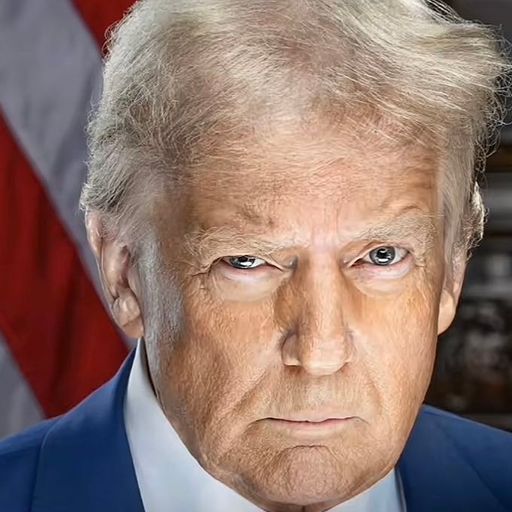
Under the Trump administration, SpaceX faces a turning point in labor disputes—political pressure behind the withdrawal of the NLRB petition
Elon Musk’s rocket company SpaceX has achieved a major victory in a significant lawsuit with the U.S. National Labor Relations Board (NLRB). On December 18, 2024, the NLRB decided to withdraw a key petition concerning retirement benefits and arbitration rules. This move partially resolves some labor disputes and marks a turning point in the intense legal battles between the parties.
The Trigger for the Retirement Benefits Dispute — Starting with the NLRB Seattle Office Complaint
The origin of the issue dates back to March 2024, when the NLRB’s Seattle office filed a complaint. The regulatory agency argued that SpaceX’s confidentiality clauses in contracts excessively restricted workers’ rights. There was concern that these clauses pressured employees and could hinder the exercise of legally protected rights.
In response, SpaceX quickly pushed back. In April, one month later, the company filed a lawsuit against the NLRB in federal court. The lawsuit strongly challenged the constitutionality of the NLRB’s administrative agency itself. This was not the company’s first such strategy, as another lawsuit was already underway over a separate complaint from the Los Angeles office.
The California lawsuit criticized SpaceX’s retaliation against employees who had criticized Elon Musk. However, in May, a panel of judges accepted a joint request from both sides to temporarily suspend proceedings. They also allowed the NLRB time to seek an official opinion from the National Mediation Board regarding jurisdiction over the labor dispute.
A Turning Point Driven by Political Changes
The withdrawal of the complaint by the NLRB was influenced by significant political shifts. In February, shortly after President Donald Trump took office, William Cohen was appointed as Acting General Counsel of the NLRB. He openly discussed his stance on the issues.
“Is this the horse we want to ride?” Cohen stated, explaining, “We withdrew because it was deemed not to be the right path to follow.” In other words, the dispute over confidentiality obligations at SpaceX was considered not suitable for escalation to the Supreme Court.
Under Cohen’s leadership, the NLRB has withdrawn from several high-profile actions initiated by his predecessor. These include complaints against private prison operator GEO Group and cases involving staff complaints from actor Sean Penn’s nonprofit organization.
Expanding Beyond SpaceX
Notably, since SpaceX filed its first constitutional lawsuit last year, other companies have begun to follow suit. Amazon.com Inc. is currently one of the companies challenging the NLRB in federal court, and multiple similar lawsuits are ongoing.
The New Labor Policy Shaped by Musk and the Trump Administration
Politics and this labor dispute are closely intertwined. Musk was the largest individual donor in the 2024 election cycle, with most of his contributions supporting Trump. His Department of Efficiency has played a central role in Trump’s new administration.
After public conflicts, the relationship between Musk and the administration was repaired. In November, Musk attended a White House dinner honoring Crown Prince Mohammed bin Salman of Saudi Arabia.
Furthermore, this month, the U.S. Senate confirmed Crystal Carey as the permanent legal advisor to the NLRB, a nominee associated with Trump. She previously worked as a partner at Morgan, Lewis & Bockius LLP, which has represented clients including Tesla Inc. and SpaceX. Her swearing-in is scheduled soon.
This series of developments clearly shows that political shifts directly influence the policies of labor regulatory agencies, significantly affecting the course of labor disputes involving major corporations like SpaceX.