

Trade
Basic
Futures
Futures
Hundreds of contracts settled in USDT or BTC
Options
HOT
Trade European-style vanilla options
Unified Account
Maximize your capital efficiency
Demo Trading
Futures Kickoff
Get prepared for your futures trading
Futures Events
Participate in events to win generous rewards
Demo Trading
Use virtual funds to experience risk-free trading
Earn
Launch
CandyDrop
Collect candies to earn airdrops
Launchpool
Quick staking, earn potential new tokens
HODLer Airdrop
Hold GT and get massive airdrops for free
Launchpad
Be early to the next big token project
Alpha Points
NEW
Trade on-chain assets and enjoy airdrop rewards!
Futures Points
NEW
Earn futures points and claim airdrop rewards
Investment
Simple Earn
Earn interests with idle tokens
Auto-Invest
Auto-invest on a regular basis
Dual Investment
Buy low and sell high to take profits from price fluctuations
Soft Staking
Earn rewards with flexible staking
Crypto Loan
0 Fees
Pledge one crypto to borrow another
Lending Center
One-stop lending hub
VIP Wealth Hub
Customized wealth management empowers your assets growth
Private Wealth Management
Customized asset management to grow your digital assets
Quant Fund
Top asset management team helps you profit without hassle
Staking
Stake cryptos to earn in PoS products
Smart Leverage
NEW
No forced liquidation before maturity, worry-free leveraged gains
GUSD Minting
Use USDT/USDC to mint GUSD for treasury-level yields

More


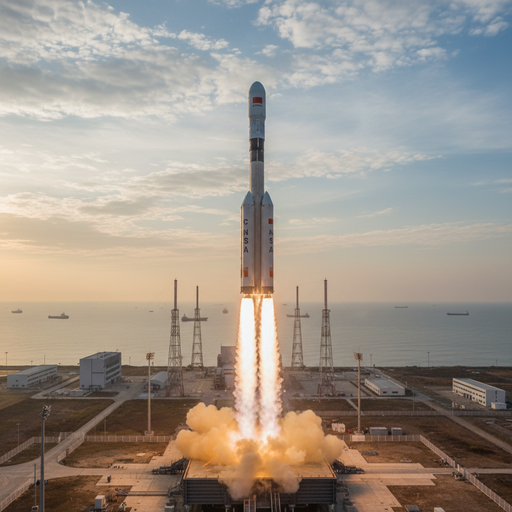




The path to a Kardashev civilization isn't theoretical anymore—it's engineering. Starship represents humanity's critical leap forward in becoming a true space-faring species.
For context, the Kardashev scale measures civilizations by their energy control levels. Type I harnesses planetary energy, Type II commands solar-system resources, and Type III dominates an entire galaxy. We're currently below Type I status.
Why Starship changes the equation? It's the first fully reusable heavy-lift vehicle designed to operate at scale. Previous spacecraft were engineered for single missions. Starship is built to become routine infrastructure—lunar bases, Mars settlements, orbital cities. That's the infrastructure foundation civilization advancement requires.
The economics matter too. When launch costs drop from thousands per kilogram to hundreds, space becomes accessible. Asteroid mining becomes viable. Off-world manufacturing becomes possible. These aren't sci-fi concepts anymore; they're logistics problems Starship solves.
With each iteration, the vehicle improves. Each successful flight proves the concept works. The timeline to genuine multi-planetary civilization just became measured in decades, not centuries. That's not just progress—that's a fundamental shift in humanity's trajectory.