Các vật phẩm sưu tầm vật lý từ lâu đã gặp khó khăn với thanh khoản thấp, chi phí giao dịch cao và thách thức lưu thông xuyên biên giới. Với sự nổi lên của NFT và Real World Assets (RWA), ngày càng nhiều dự án đang chuyển tài sản vật lý lên mạng lưới blockchain. Collector Crypt ra đời từ xu hướng này, cung cấp một giải pháp kỹ thuật số mới cho việc giao dịch đồ sưu tầm thông qua thẻ token hóa và thị trường trực tuyến trên chuỗi.
Mô hình do Collector Crypt tiên phong đang trở thành một phần quan trọng của lĩnh vực đồ sưu tầm RWA. Dù là thẻ Pokémon, thẻ giao dịch thể thao hay các đồ sưu tầm giá trị cao khác, sự kết hợp giữa quyền sở hữu kỹ thuật số và tài sản vật lý đang định hình lại cách những người sưu tầm tham gia và cách giá trị vận động trong thị trường truyền thống.
Nguồn gốc của Collector Crypt
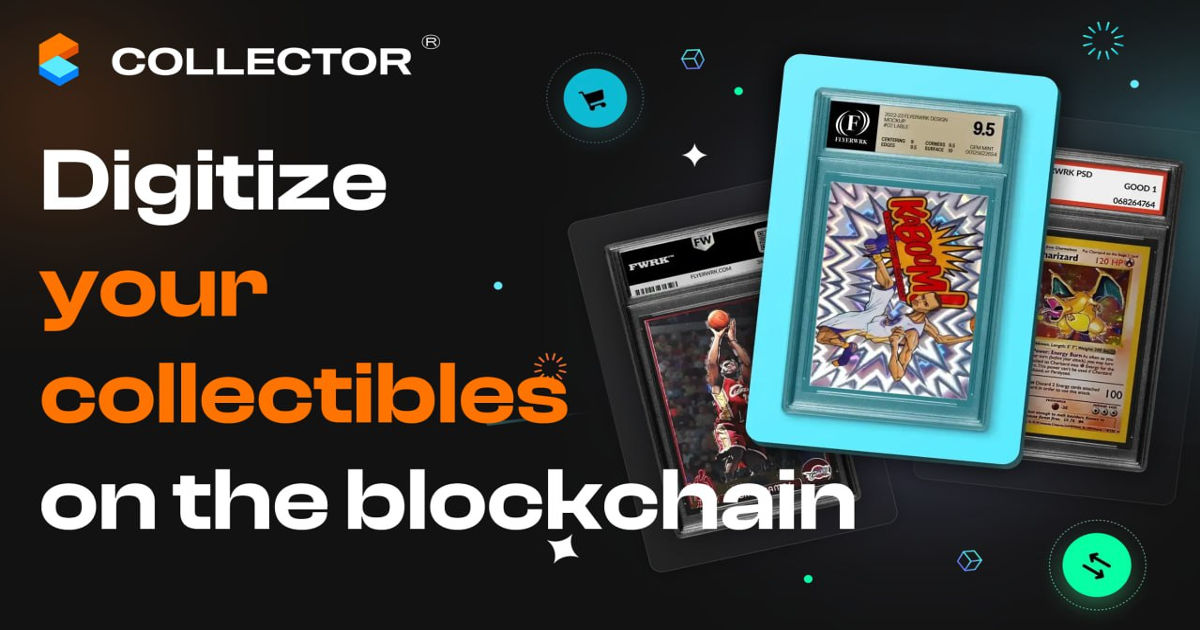
Thị trường thẻ sưu tầm đã phát triển mạnh mẽ trong nhiều thập kỷ, xây dựng một hệ sinh thái giao dịch toàn cầu rộng lớn. Thẻ Pokémon, thẻ giao dịch NBA, thẻ bóng chày và các thẻ sưu tầm phiên bản giới hạn khác duy trì lượng người sưu tầm ổn định và nhu cầu giao dịch.
Công nghệ blockchain đã mở ra một ranh giới kỹ thuật số mới cho đồ sưu tầm. NFT cung cấp hồ sơ quyền sở hữu có thể xác minh cho tài sản vật lý trên chuỗi, trong khi mô hình RWA làm sâu sắc hơn sự tích hợp giữa tài sản thực tế và kỹ thuật số.
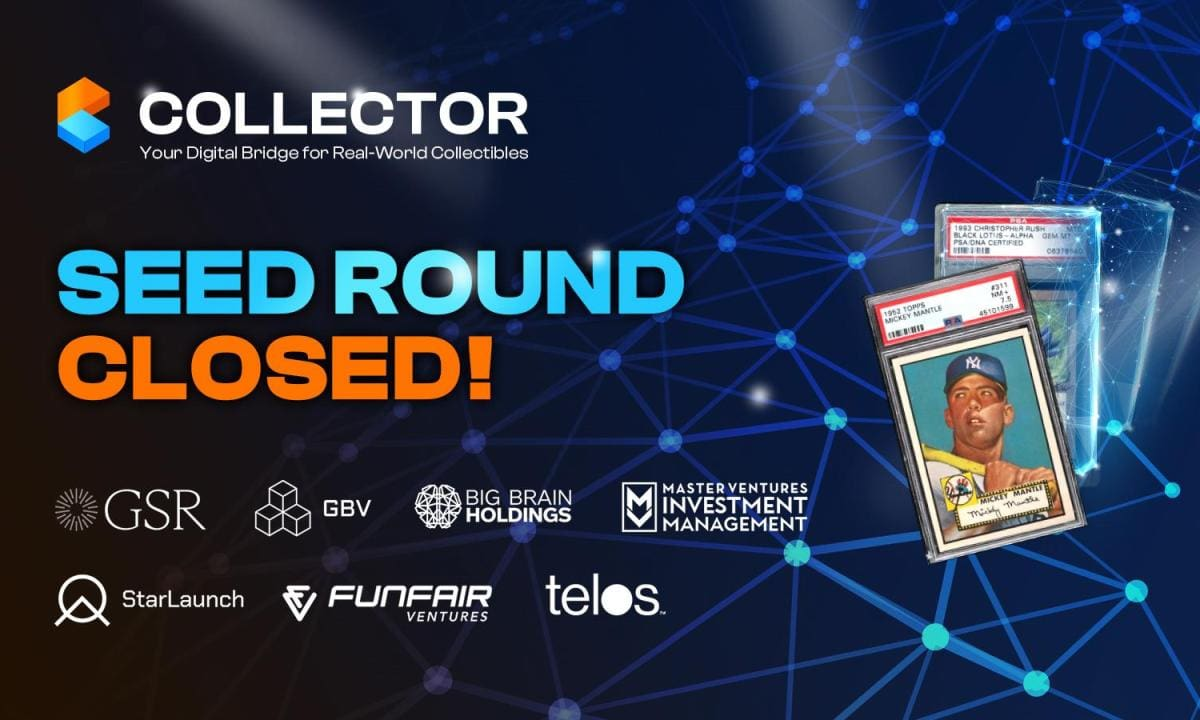
Hãy gặp Collector Crypt, một ứng dụng thực tế của xu hướng này trong lĩnh vực sưu tầm thẻ. Vào tháng 2 năm 2023, Collector Crypt đã hoàn thành vòng gọi vốn hạt giống với sự tham gia của các nhà đầu tư như GSR, Big Brain Holdings, FunFair Ventures, Genesis Block Ventures, Master Ventures Investment Management, StarLaunch và Telos. Số tiền chính xác không được tiết lộ.
Cách Collector Crypt token hóa thẻ vật lý
Sự đổi mới cốt lõi của Collector Crypt là chuyển đổi thẻ vật lý thành tài sản có thể giao dịch trên chuỗi.
Người dùng gửi các thẻ sưu tầm đủ điều kiện, và nền tảng xử lý việc xác thực, đăng ký và lưu ký. Tài sản vật lý được lưu trữ trong các kho chuyên nghiệp, trong khi NFT tương ứng được đúc trên chuỗi—đóng vai trò như bằng chứng kỹ thuật số về quyền sở hữu đối với vật phẩm vật lý.
Mô hình này tách biệt quyền sở hữu khỏi việc nắm giữ vật lý. Người nắm giữ có thể giao dịch mà không cần vận chuyển thẻ, và blockchain ghi lại mọi thay đổi về quyền sở hữu.
So với thị trường truyền thống, các thẻ sưu tầm được token hóa đạt được hiệu quả giao dịch cao hơn và giảm đáng kể chi phí hậu cần cũng như chi phí tin cậy xuyên biên giới.
Cách hệ thống lưu ký Vault của Collector Crypt hoạt động
Vault là một thành phần quan trọng trong hệ sinh thái Collector Crypt.
Tất cả các thẻ vật lý được token hóa đều được đặt trong các cơ sở lưu ký chuyên nghiệp. Trách nhiệm của Vault bao gồm bảo quản tài sản, giám sát tình trạng, xác minh tính xác thực và quản lý việc chuộc lại vật lý.
Thông qua thỏa thuận lưu ký này, người nắm giữ NFT có thể giao dịch tự do mà không cần di chuyển tài sản vật lý. Blockchain quản lý hồ sơ quyền sở hữu, trong khi thẻ vật lý vẫn được lưu trữ an toàn.
Thiết kế này phản ánh mô hình ETF vàng, nơi một bên lưu ký chuyên nghiệp nắm giữ tài sản vật lý và những người tham gia thị trường sử dụng chứng chỉ kỹ thuật số để giao dịch và chuyển giao giá trị.
Máy Gacha của Collector Crypt là gì?
Máy Gacha là một trong những tính năng đặc biệt nhất của Collector Crypt.
Gacha có nguồn gốc từ ngành công nghiệp game Nhật Bản như một cơ chế rút thăm ngẫu nhiên—người dùng mua hộp mù hoặc gói để nhận phần thưởng ngẫu nhiên. Collector Crypt điều chỉnh khái niệm này cho thị trường đồ sưu tầm NFT.
Khi người dùng mua một Gói Gacha, hệ thống sẽ chỉ định ngẫu nhiên các thẻ sưu tầm NFT với độ hiếm khác nhau dựa trên xác suất đặt trước. Các độ hiếm khác nhau tương ứng với các giá trị thị trường khác nhau, tái tạo lại sự phấn khích khi mở một gói vật lý.
Mô hình Gacha thêm một lớp giải trí vào nền tảng, thúc đẩy hoạt động giao dịch và biến việc giao dịch đồ sưu tầm từ các giao dịch đơn giản thành một trải nghiệm mang tính trò chơi hóa.
Cách thị trường trực tuyến của Collector Crypt hoạt động
Thị trường trực tuyến Collector Crypt là trung tâm giao dịch chính trong hệ sinh thái.
Người dùng có thể mua, bán và nắm giữ các tài sản thẻ sưu tầm được token hóa. NFT đóng vai trò là chứng chỉ sở hữu kỹ thuật số và lưu thông tự do.
So với các nền tảng truyền thống, thị trường trực tuyến trên chuỗi mang lại thanh toán nhanh hơn, hồ sơ giao dịch minh bạch và khả năng truy cập toàn cầu.
Bởi vì hồ sơ quyền sở hữu tồn tại trên blockchain, những người tham gia có thể truy xuất nguồn gốc tài sản, người nắm giữ trước đây và lịch sử giao dịch, làm tăng đáng kể tính minh bạch của thị trường.
Token CARDS đóng vai trò gì?
CARDS là token gốc của hệ sinh thái Collector Crypt.
Nó chủ yếu được sử dụng cho các khuyến khích hệ sinh thái, giao dịch thị trường và chức năng nền tảng. Token kết nối các tài sản sưu tầm, cộng đồng người dùng và nền kinh tế của nền tảng, tạo ra một phương tiện giá trị thống nhất.
Collector Crypt khác biệt như thế nào so với thị trường thẻ sưu tầm truyền thống?
Cả Collector Crypt và thị trường truyền thống đều phục vụ những người sưu tầm và giao dịch, nhưng các mô hình hoạt động của họ khác nhau đáng kể.
| Khía cạnh so sánh |
Collector Crypt |
Thị trường sưu tầm truyền thống |
| Hình thức sở hữu |
Chứng chỉ kỹ thuật số NFT |
Sở hữu vật lý |
| Phương thức giao dịch |
Trên chuỗi |
Ngoại tuyến hoặc nền tảng tập trung |
| Tốc độ thanh toán |
Nhanh |
Chậm |
| Truy cập toàn cầu |
Mở 24/7 |
Bị giới hạn theo khu vực địa lý |
| Xác minh tài sản |
Hồ sơ trên chuỗi |
Kiểm tra thủ công |
| Thanh khoản |
Thị trường kỹ thuật số |
Thị trường phân mảnh |
Thị trường truyền thống phụ thuộc nhiều vào hậu cần và giao hàng vật lý. Collector Crypt tận dụng blockchain để số hóa quyền sở hữu và tăng cường thanh khoản thị trường.
Collector Crypt phải đối mặt với những rủi ro và thách thức nào?
Mặc dù việc token hóa đồ sưu tầm là sáng tạo, nhưng mô hình này đi kèm với một số thách thức.
Đầu tiên là rủi ro lưu ký. Giá trị của một NFT phụ thuộc vào việc tài sản vật lý thực sự tồn tại và được lưu trữ an toàn, làm cho độ tin cậy của hệ thống Vault trở nên quan trọng.
Tiếp theo là rủi ro thanh khoản. Thị trường đồ sưu tầm tương đối ngách (hoặc chuyên biệt) và nhu cầu rất khác nhau giữa các thẻ khác nhau. Một số tài sản có thể bị giảm hoạt động giao dịch.
Hơn nữa, sức hấp dẫn lâu dài của cơ chế Gacha, tính chu kỳ của thị trường NFT và tính bền vững của nền kinh tế token sẽ ảnh hưởng đến sự tăng trưởng và ổn định của hệ sinh thái.
Tổng kết
Collector Crypt là một nền tảng Web3 chuyên token hóa các thẻ sưu tầm vật lý. Bằng cách kết hợp lưu ký Vault, ánh xạ quyền sở hữu NFT, cơ chế Gacha và thị trường trực tuyến trên chuỗi, nó xây dựng một hệ sinh thái giao dịch đồ sưu tầm hoàn chỉnh. Nền tảng nhằm giải quyết tình trạng thiếu thanh khoản, hiệu quả giao dịch thấp và khó khăn trong lưu thông xuyên biên giới của thị trường truyền thống.
Câu hỏi thường gặp
Collector Crypt hỗ trợ những đồ sưu tầm nào?
Collector Crypt tập trung vào thị trường thẻ sưu tầm, bao gồm thẻ Pokémon, thẻ giao dịch thể thao và các thẻ giao dịch giá trị cao đã được chứng nhận khác.
Người nắm giữ NFT có thể lấy thẻ vật lý không?
Có. Mỗi NFT trên Collector Crypt tương ứng với một thẻ vật lý được lưu ký. Theo quy tắc nền tảng, người nắm giữ có thể yêu cầu chuộc lại đồ sưu tầm vật lý.
Máy Gacha làm gì?
Máy Gacha là hệ thống mở gói ngẫu nhiên của Collector Crypt. Người dùng mua một Gói Gacha và nhận các thẻ sưu tầm NFT với độ hiếm khác nhau dựa trên xác suất—một trải nghiệm mang tính trò chơi hóa tương tự như mở một gói thẻ thực tế.
Token CARDS được sử dụng để làm gì?
CARDS là token gốc của hệ sinh thái Collector Crypt. Nó được sử dụng cho các khuyến khích nền tảng, tham gia hệ sinh thái, hỗ trợ giao dịch và các ứng dụng khác liên quan đến thị trường đồ sưu tầm.