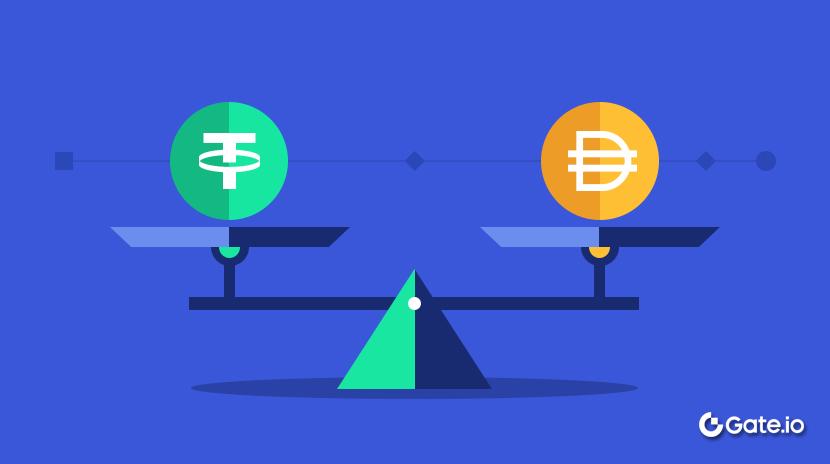
Apa Itu Currency Peg?
Currency peg adalah kebijakan di mana mata uang lokal suatu negara dipatok pada aset referensi—seperti dolar AS, sekeranjang mata uang, atau emas—pada tingkat tertentu atau dalam rentang sempit. Tujuan utamanya adalah menstabilkan nilai tukar dan mengendalikan inflasi. Currency peg merupakan bentuk rezim nilai tukar tetap yang berbeda dengan sistem nilai tukar mengambang bebas.
Pada praktiknya, dolar AS menjadi jangkar paling umum karena perannya yang dominan dalam perdagangan dan penyelesaian global (secara historis, dolar AS menyumbang sekitar 55%-60% dari cadangan devisa global dalam lima tahun terakhir, sumber: IMF COFER). Beberapa negara menggunakan “sekeranjang mata uang” yang menggabungkan beberapa mata uang utama dalam proporsi tertentu untuk mendiversifikasi risiko dari ketergantungan pada satu mata uang saja.
“Crawling peg” adalah varian di mana tingkat patokan disesuaikan secara bertahap sesuai jadwal yang telah ditetapkan, sehingga membantu menghindari guncangan akibat perubahan besar yang mendadak.
Mengapa Negara Mengadopsi Currency Peg?
Tujuan utama currency peg adalah membuat nilai tukar lebih dapat diprediksi, sehingga memudahkan penetapan harga ekspor/impor dan memperlancar penyelesaian lintas negara. Currency peg juga menjadi jangkar nominal untuk membantu mengendalikan inflasi.
Jika pelaku usaha mengetahui bahwa pergerakan mata uang lokal terhadap dolar AS (atau jangkar lain) terbatas, mereka lebih mudah menentukan harga kontrak internasional dan merencanakan anggaran. Bagi konsumen, harga eksternal yang stabil membantu menjaga biaya impor—dan pada akhirnya inflasi—tetap terkendali.
Currency peg juga berfungsi sebagai alat peningkatan kredibilitas kebijakan. Jika suatu ekonomi kecil dan terbuka kurang percaya diri atas kebijakan moneternya, mematok mata uang pada jangkar yang lebih stabil dapat membantu mengimpor kredibilitas dan menstabilkan ekspektasi. Namun, “meminjam kredibilitas” ini mengurangi otonomi kebijakan domestik.
Bagaimana Cara Kerja Currency Peg?
Currency peg bergantung pada intervensi aktif bank sentral (atau otoritas moneter) di pasar valuta asing, menggunakan suku bunga, strategi komunikasi, dan jika diperlukan, kontrol modal untuk menjaga nilai tukar tetap dalam rentang target.
Cadangan devisa—berupa mata uang asing dan emas yang dimiliki bank sentral—merupakan alat utama. Bank sentral membeli atau menjual cadangan ini di pasar untuk menyeimbangkan permintaan dan penawaran. Ketika ada tekanan penurunan pada mata uang lokal, bank sentral menjual cadangan (mata uang asing) dan membeli mata uang lokal untuk menopang nilainya; sebaliknya berlaku untuk tekanan kenaikan.
Kebijakan suku bunga juga digunakan secara bersamaan. Suku bunga yang lebih tinggi dapat meningkatkan daya tarik memegang mata uang lokal ketika menghadapi tekanan arus keluar, sehingga mengurangi aksi jual dan mendukung patokan tersebut.
Kontrol modal—pembatasan pergerakan modal seperti batas transfer lintas negara dalam jumlah besar—dapat diterapkan pada beberapa rezim peg untuk meredam serangan spekulatif jangka pendek. Namun, kontrol ini dapat menurunkan efisiensi dan keterbukaan pasar.
Bagaimana Praktik Currency Peg di Lapangan?
Hong Kong Dollar Linked Exchange Rate System menjadi contoh klasik. Hong Kong Monetary Authority menetapkan rentang perdagangan resmi 7,75–7,85 HKD per USD (sumber: Hong Kong Monetary Authority) dan berkomitmen untuk melakukan intervensi pada batas tersebut.
Langkah 1: Jika dolar Hong Kong melemah mendekati 7,85, Otoritas menggunakan cadangan devisanya untuk menjual USD dan membeli HKD, menopang mata uang lokal.
Langkah 2: Otoritas secara bersamaan menggunakan instrumen suku bunga dan likuiditas untuk membuat kepemilikan HKD lebih menarik, sehingga memperkuat pertahanan pasar.
Langkah 3: Operasi dan komunikasi yang transparan membantu menambatkan ekspektasi pasar dan mencegah volatilitas karena kepanikan.
Di negara-negara Teluk seperti UEA, mata uang seperti dirham telah lama dipatok pada dolar AS. Karena sebagian besar perdagangan dan ekspor energi mereka menggunakan denominasi dolar, currency peg mengurangi ketidakpastian nilai tukar dan meningkatkan efektivitas kebijakan.
Apa Hubungan antara Currency Peg dan Stablecoin?
Di pasar kripto, stablecoin adalah aset digital yang dirancang untuk meniru currency peg: mereka menggunakan mata uang fiat seperti dolar AS sebagai patokan agar nilai token tetap mendekati $1.
Stablecoin fiat-collateralized (yang didukung aset cadangan dan menyediakan mekanisme penukaran) menyimpan kas dan US Treasury jangka pendek untuk mempertahankan patokannya. Pengguna dapat menukarkan stablecoin hampir senilai $1, sehingga tercipta anchor harga. Proses penukaran ini berfungsi layaknya “jendela penukaran resmi” yang memberikan referensi harga pasar.
Stablecoin algoritmik berupaya mempertahankan patokan melalui aturan suplai dan insentif pasar, bukan cadangan penuh. Mereka mengandalkan mekanisme yang telah ditetapkan untuk menambah atau mengurangi suplai token demi menjaga stabilitas harga, namun bisa gagal dalam kondisi tekanan ekstrem.
Apa Risiko dan Peristiwa Depegging pada Currency Peg?
Risiko muncul dari cadangan yang tidak memadai, menurunnya kredibilitas kebijakan, guncangan eksternal, atau serangan spekulatif. Ketika pasar percaya bahwa patokan tidak dapat dipertahankan, tekanan jual meningkat dalam lingkaran yang saling memperkuat, menyebabkan “depegging”—harga menyimpang dari anchor target.
Secara historis, peristiwa depegging yang menonjol meliputi keluarnya pound Inggris dari European Exchange Rate Mechanism pada 1992 dan baht Thailand mengambang setelah krisis keuangan Asia 1997—keduanya terjadi ketika cadangan dan pertahanan kebijakan tidak mampu menahan tekanan jual yang berkelanjutan.
Di kripto, algorithmic stablecoin UST mengalami depegging parah pada 2022 ketika mekanismenya gagal saat krisis likuiditas, sehingga harga menjauh dari $1 (sumber: laporan publik, Mei 2022). Hal ini menyoroti bahwa tanpa sumber daya “bank sentral” yang tak terbatas, sistem peg dapat runtuh di bawah tekanan.
Bagaimana Currency Peg Mempengaruhi Investor Individu dan Perdagangan di Gate?
Bagi individu, currency peg mengurangi ketidakpastian nilai tukar untuk aset yang berdenominasi USD, namun tidak menghilangkan semua risiko. Memegang aset yang dipatok pada USD tetap memerlukan pemantauan terhadap perubahan kebijakan dan kecukupan cadangan.
Di Gate, banyak pasangan perdagangan dikutip dalam stablecoin seperti USDT. Investor umumnya membeli stablecoin dengan fiat sebelum melakukan spot trading atau produk earning. Jika harga stablecoin sedikit menyimpang dari $1, harga eksekusi order dan slippage dapat terpengaruh—sehingga manajemen risiko sangat penting.
- Gunakan limit order alih-alih market order dalam spot trading untuk meminimalkan dampak negatif dari depegging atau volatilitas jangka pendek.
- Tinjau audit cadangan dan keterbukaan informasi penerbit stablecoin, perhatikan mekanisme penukaran dan likuiditas on-chain untuk menilai keandalan patokan (sumber: laporan publik penerbit).
- Pasang alert harga dan aturan stop-loss; pindahkan dana secara tepat antara akun spot dan funding untuk menghindari konsentrasi berlebih pada satu stablecoin.
Dalam melindungi dana, ingat: peg bukan jaminan mutlak—perubahan kebijakan atau pergeseran pasar dapat menyebabkan harga menjauh dari anchor. Diversifikasi dan pengelolaan likuiditas sangat penting.
Ringkasan Utama tentang Currency Peg
Currency peg menstabilkan nilai tukar dan harga dengan mematok nilai mata uang lokal pada dolar AS, sekeranjang mata uang, atau emas—dijaga melalui cadangan devisa, suku bunga, dan intervensi pasar. Kasus nyata menunjukkan peg dapat meningkatkan prediktabilitas perdagangan namun mengurangi otonomi kebijakan dan membawa risiko depegging jika cadangan atau kepercayaan menurun. Di Web3, stablecoin mengadopsi prinsip serupa melalui cadangan atau algoritma yang menargetkan $1. Bagi individu dan pengguna Gate, anggap peg sebagai salah satu alat manajemen risiko—bukan perlindungan absolut—dan kombinasikan limit order, tinjauan keterbukaan, serta alokasi terdiversifikasi demi keamanan dana yang optimal.
FAQ
Mengapa Dolar AS Menjadi Mata Uang Jangkar Dunia?
Dolar AS menjadi jangkar global karena besarnya ekonomi AS, stabilitas politiknya, dan tingkat kredit yang tinggi. Sistem Bretton Woods awalnya menambatkan dolar pada emas; meski sistem itu berakhir, status internasional dolar tetap kuat. Banyak negara dan korporasi menyimpan dolar sebagai cadangan dan menggunakannya untuk penyelesaian perdagangan, memperkuat peran jangkar tersebut.
Apa yang Terjadi Jika Mata Uang Suatu Negara Tidak Memiliki Anchor?
Mata uang tanpa anchor rentan kehilangan nilai secara cepat karena kurangnya kepercayaan atau mekanisme penopang. Kasus historis seperti Venezuela atau Zimbabwe mengalami krisis moneter parah dan hiperinflasi karena mata uangnya tidak memiliki anchor yang efektif. Mata uang tanpa anchor sulit mempertahankan daya beli—mengakibatkan tabungan masyarakat cepat tergerus.
Apa Perbedaan Fundamental antara Stablecoin Peg dan Currency Peg Tradisional?
Currency peg tradisional biasanya didukung aset nyata seperti emas atau cadangan devisa dan dijamin oleh kredibilitas bank sentral. Stablecoin mengandalkan smart contract, over-collateralization, atau mekanisme algoritmik untuk stabilitas harga. Walaupun stablecoin berperan penting di pasar kripto, fondasi kepercayaannya lebih lemah—sehingga platform teregulasi seperti Gate menjadi tempat yang lebih aman untuk trading stablecoin.
Bagaimana Currency Peg Mempengaruhi Inflasi?
Currency peg yang efektif menahan inflasi karena suplai uang bank sentral dibatasi oleh aset jangkar. Tanpa anchor yang memadai, bank sentral bisa mencetak uang secara bebas—berisiko menyebabkan inflasi tak terkendali. Data historis menunjukkan negara dengan standar emas cenderung memiliki tingkat inflasi lebih rendah dibandingkan rezim mengambang—menunjukkan efek disiplin ini.
Bagaimana Investor Individu Menilai Risiko Depegging Mata Uang Suatu Negara?
Monitor indikator utama: kecukupan cadangan devisa, rasio utang pemerintah terhadap PDB, independensi bank sentral, dan peringkat kredit negara. Intervensi yang sering di pasar FX, cadangan yang turun drastis, atau penurunan peringkat kredit menandakan risiko depegging lebih tinggi. Memegang aset terdiversifikasi di Gate dan mengikuti tren makro global dapat membantu mengelola volatilitas mata uang secara efektif.