
U.S. Inflation Climbs to Three-Year High as Rate Cut Expectations Fade Further
New macroeconomic data showing U.S. April PCE inflation rising to 3.8% — the highest level in three years — is increasing pressure across global financial markets and further reducing expectations for near-term Federal Reserve rate cuts.
Personally, I think this is one of the most important macro developments currently affecting both traditional markets and crypto.
PCE inflation is closely watched by the Federal Reserve because it reflects underlying consumer price trends more broadly than some other inflation metrics. A strong upside surprise immediately changes expectations around monetary policy and liquidity conditions.
Another important factor is consumer weakness.
Reports also indicate that the U.S. consumer savings rate has fallen below what many economists consider a safe threshold. That creates a difficult balance where inflation remains elevated while household financial resilience gradually weakens.
Personally, I think markets are becoming increasingly concerned about the possibility of “higher for longer” interest rates.
If inflation continues staying elevated, the Federal Reserve may delay easing cycles much longer than investors previously expected. That directly impacts equities, crypto, real estate, and growth assets that depend heavily on abundant liquidity.
At the same time, rising inflation expectations also continue pushing bond yields higher, tightening financial conditions even further.
And historically, periods where inflation remains stubborn while growth slows tend to create especially difficult market environments.
Right now, markets are no longer focused mainly on when rate cuts begin —
they are starting to question whether policy easing may arrive much later than anticipated.
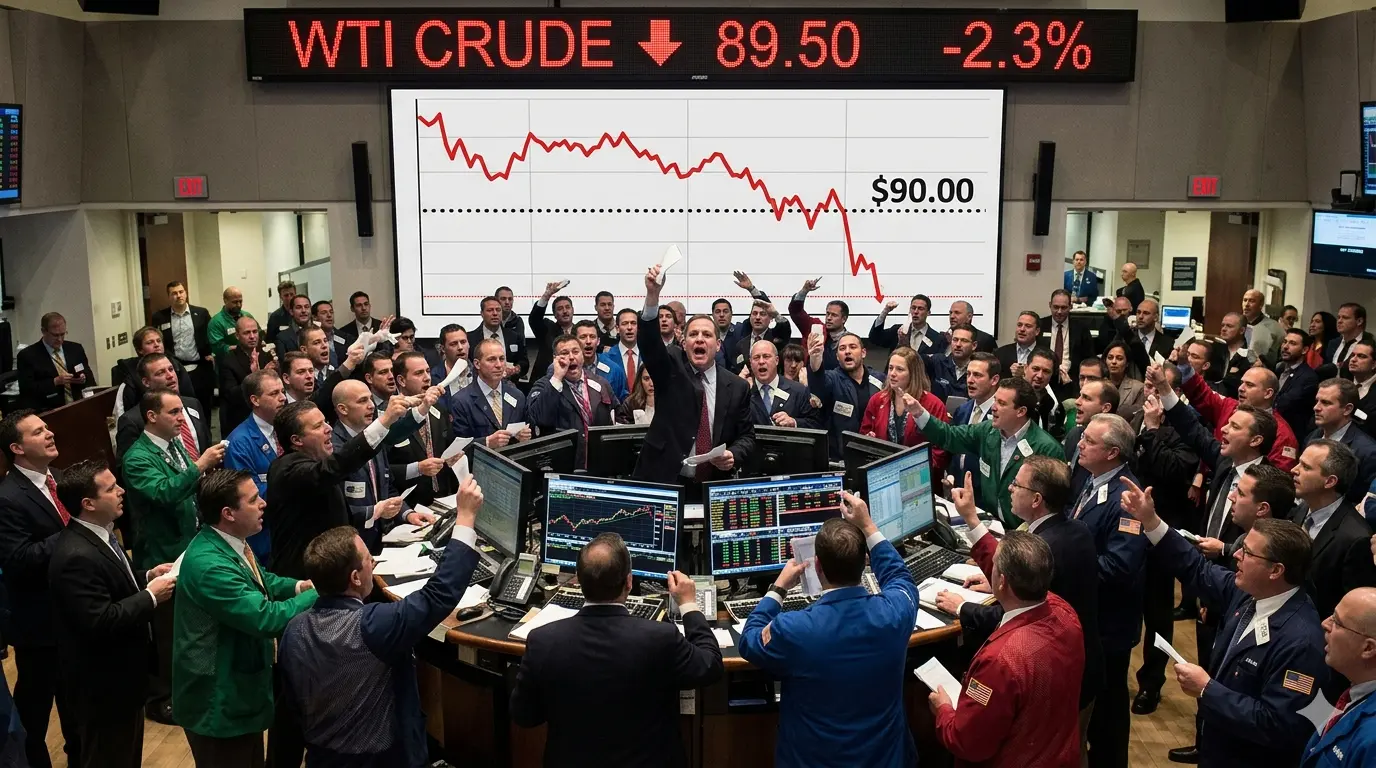
#GateSquare #CreatorCarnival #TradfiTradingChallenge #WTICrudeFallsBelow90Dollars
New macroeconomic data showing U.S. April PCE inflation rising to 3.8% — the highest level in three years — is increasing pressure across global financial markets and further reducing expectations for near-term Federal Reserve rate cuts.
Personally, I think this is one of the most important macro developments currently affecting both traditional markets and crypto.
PCE inflation is closely watched by the Federal Reserve because it reflects underlying consumer price trends more broadly than some other inflation metrics. A strong upside surprise immediately changes expectations around monetary policy and liquidity conditions.
Another important factor is consumer weakness.
Reports also indicate that the U.S. consumer savings rate has fallen below what many economists consider a safe threshold. That creates a difficult balance where inflation remains elevated while household financial resilience gradually weakens.
Personally, I think markets are becoming increasingly concerned about the possibility of “higher for longer” interest rates.
If inflation continues staying elevated, the Federal Reserve may delay easing cycles much longer than investors previously expected. That directly impacts equities, crypto, real estate, and growth assets that depend heavily on abundant liquidity.
At the same time, rising inflation expectations also continue pushing bond yields higher, tightening financial conditions even further.
And historically, periods where inflation remains stubborn while growth slows tend to create especially difficult market environments.
Right now, markets are no longer focused mainly on when rate cuts begin —
they are starting to question whether policy easing may arrive much later than anticipated.
#GateSquare #CreatorCarnival #TradfiTradingChallenge #WTICrudeFallsBelow90Dollars