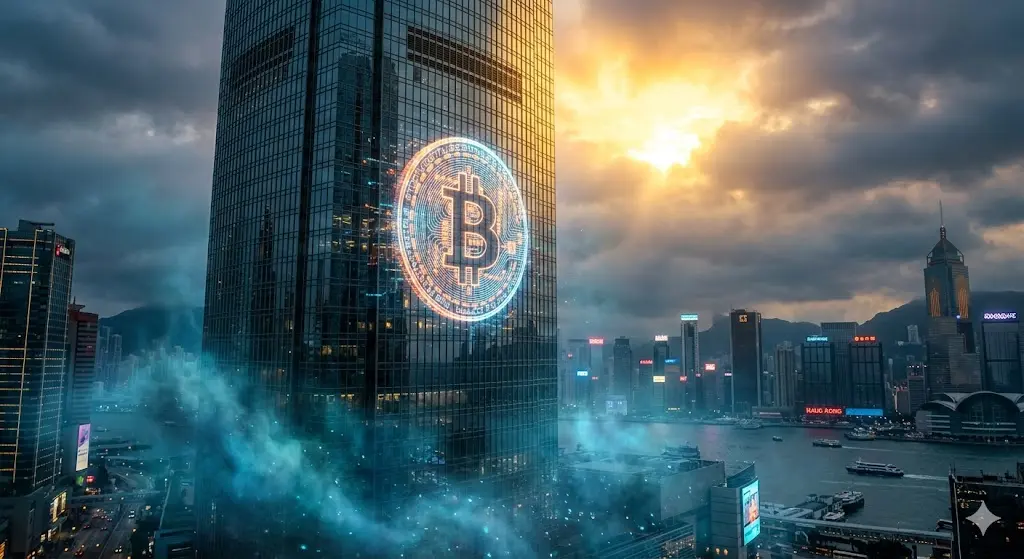

📌 Hong Kong’s Stablecoin Licensing: Strategic, Cautious, and Structurally Important
Hong Kong’s financial regulator — the Hong Kong Monetary Authority (HKMA) — is preparing to issue its first stablecoin issuer licenses in March 2026. This will be the first step under Hong Kong’s newly implemented stablecoin regulatory framework, but only a very limited number of licenses will be granted initially — underscoring a highly selective and risk‑focused regime rather than a mass rollout.
🧠 What This Really Means — Beyond the Headlines
1. Not a Volume Play — A Quality Play
Hong Kong is not chasing market share the way some jurisdictions tout open issuance. Instead, the HKMA’s approach prioritizes risk management, compliance robustness, and financial stability. Only a handful of issuers — those with strong governance, capital strength, reserve transparency, and AML controls — will qualify in the first phase.
📌 Why this matters:
Issuers must demonstrate high‑quality liquid reserve backing at all times.
Anti‑money‑laundering frameworks must be industrial‑grade.
Only licensed entities can offer stablecoins to retail investors.
This creates a market of trust and credibility, not cowboy‑style speculative tokens.
📊 Restricted Entry = Controlled Supply, Premium Positioning
Unlike the U.S. or Singapore where licensing requirements might be designed for expansion, Hong Kong’s elevated capital thresholds and compliance burdens mean:
✅ Only well‑capitalized financial institutions or major fintech/Web3 players will succeed
❌ Smaller startups and low‑capital firms will be largely excluded
⚠️ Immediate stablecoin liquidity entering the market will be moderate, not explosive
In practical terms: Hong Kong stablecoin issuance will drive a flow of billions this year, not trillions.
🌍 Strategic Position — Not Just a Local Market Play
Hong Kong is positioning itself as a regulated bridge between global markets and Asia’s capital flows:
🌐 Cross‑border stablecoin activities will be regulated to meet foreign jurisdictions’ rules as well.
🤝 HKMA has signaled openness to mutual recognition with other regulators — which can unlock broader network effects beyond HK.
This means Hong Kong isn’t just regulating for itself — it’s constructing a platform that could become interoperable with Singapore, EU, UK, and other frameworks in time.
🧩 Regulatory Context That Matters
The licensing framework derives from the Stablecoins Ordinance, which took effect in August 2025. Under it:
• Any entity issuing fiat‑referenced stablecoins — whether based in Hong Kong or abroad — must be licensed by the HKMA to operate in the HK market.
• Unlicensed issuers may still operate but only with professional investors under strict conditions.
So Hong Kong isn’t banning innovation — it’s channeling it through trusted, regulated conduits.
📉 Risks & Limitations — Not Everything Is Rosy
Even with regulatory clarity, there are inherent downsides to this approach:
🔸 Liquidity restrictions — tight supply may limit stablecoin use cases such as payments, DeFi integrations, and merchant adoption in the short term.
🔸 Cost barriers — high capital requirements will squeeze smaller innovators.
🔸 Competitive gap with rivals — Singapore, EU, and U.S. designs may be more “growth friendly” for stablecoin issuance.
These trade‑offs represent a calculated regime that values safety over speed and depth over breadth.
📈 The Big Picture: Hong Kong’s Calculated Digital Finance Future
Hong Kong’s strategy reflects a broader theme in the global financial ecosystem:
✅ Regulators are recognizing stablecoins as critical monetary infrastructure, not speculative tokens
✅ Strong compliance frameworks build confidence among institutional capital
✅ Stablecoins may integrate with payment systems, tokenized assets, and cross‑border settlements
Hong Kong’s approach isn’t trying to be the biggest early — it aims to be one of the most credible and stable jurisdictions for regulated digital currency issuance and use.
Bottom Line for Investors & Strategists
✔️ Short‑term: Expect limited issuance and cautious market activity in early 2026.
✔️ Medium‑term: Identify which firms receive licenses — they are likely to become verified players with privileged regulatory status.
✔️ Long‑term: Hong Kong could become a hub for regulated stablecoin activity across Asia and globally, provided mutual recognition frameworks evolve.
#HongKongIssueStablecoinLicenses
Hong Kong’s financial regulator — the Hong Kong Monetary Authority (HKMA) — is preparing to issue its first stablecoin issuer licenses in March 2026. This will be the first step under Hong Kong’s newly implemented stablecoin regulatory framework, but only a very limited number of licenses will be granted initially — underscoring a highly selective and risk‑focused regime rather than a mass rollout.
🧠 What This Really Means — Beyond the Headlines
1. Not a Volume Play — A Quality Play
Hong Kong is not chasing market share the way some jurisdictions tout open issuance. Instead, the HKMA’s approach prioritizes risk management, compliance robustness, and financial stability. Only a handful of issuers — those with strong governance, capital strength, reserve transparency, and AML controls — will qualify in the first phase.
📌 Why this matters:
Issuers must demonstrate high‑quality liquid reserve backing at all times.
Anti‑money‑laundering frameworks must be industrial‑grade.
Only licensed entities can offer stablecoins to retail investors.
This creates a market of trust and credibility, not cowboy‑style speculative tokens.
📊 Restricted Entry = Controlled Supply, Premium Positioning
Unlike the U.S. or Singapore where licensing requirements might be designed for expansion, Hong Kong’s elevated capital thresholds and compliance burdens mean:
✅ Only well‑capitalized financial institutions or major fintech/Web3 players will succeed
❌ Smaller startups and low‑capital firms will be largely excluded
⚠️ Immediate stablecoin liquidity entering the market will be moderate, not explosive
In practical terms: Hong Kong stablecoin issuance will drive a flow of billions this year, not trillions.
🌍 Strategic Position — Not Just a Local Market Play
Hong Kong is positioning itself as a regulated bridge between global markets and Asia’s capital flows:
🌐 Cross‑border stablecoin activities will be regulated to meet foreign jurisdictions’ rules as well.
🤝 HKMA has signaled openness to mutual recognition with other regulators — which can unlock broader network effects beyond HK.
This means Hong Kong isn’t just regulating for itself — it’s constructing a platform that could become interoperable with Singapore, EU, UK, and other frameworks in time.
🧩 Regulatory Context That Matters
The licensing framework derives from the Stablecoins Ordinance, which took effect in August 2025. Under it:
• Any entity issuing fiat‑referenced stablecoins — whether based in Hong Kong or abroad — must be licensed by the HKMA to operate in the HK market.
• Unlicensed issuers may still operate but only with professional investors under strict conditions.
So Hong Kong isn’t banning innovation — it’s channeling it through trusted, regulated conduits.
📉 Risks & Limitations — Not Everything Is Rosy
Even with regulatory clarity, there are inherent downsides to this approach:
🔸 Liquidity restrictions — tight supply may limit stablecoin use cases such as payments, DeFi integrations, and merchant adoption in the short term.
🔸 Cost barriers — high capital requirements will squeeze smaller innovators.
🔸 Competitive gap with rivals — Singapore, EU, and U.S. designs may be more “growth friendly” for stablecoin issuance.
These trade‑offs represent a calculated regime that values safety over speed and depth over breadth.
📈 The Big Picture: Hong Kong’s Calculated Digital Finance Future
Hong Kong’s strategy reflects a broader theme in the global financial ecosystem:
✅ Regulators are recognizing stablecoins as critical monetary infrastructure, not speculative tokens
✅ Strong compliance frameworks build confidence among institutional capital
✅ Stablecoins may integrate with payment systems, tokenized assets, and cross‑border settlements
Hong Kong’s approach isn’t trying to be the biggest early — it aims to be one of the most credible and stable jurisdictions for regulated digital currency issuance and use.
Bottom Line for Investors & Strategists
✔️ Short‑term: Expect limited issuance and cautious market activity in early 2026.
✔️ Medium‑term: Identify which firms receive licenses — they are likely to become verified players with privileged regulatory status.
✔️ Long‑term: Hong Kong could become a hub for regulated stablecoin activity across Asia and globally, provided mutual recognition frameworks evolve.
#HongKongIssueStablecoinLicenses