


iceTreder

vip
Age 0 Yıl
Peak Tier 0
No content yet
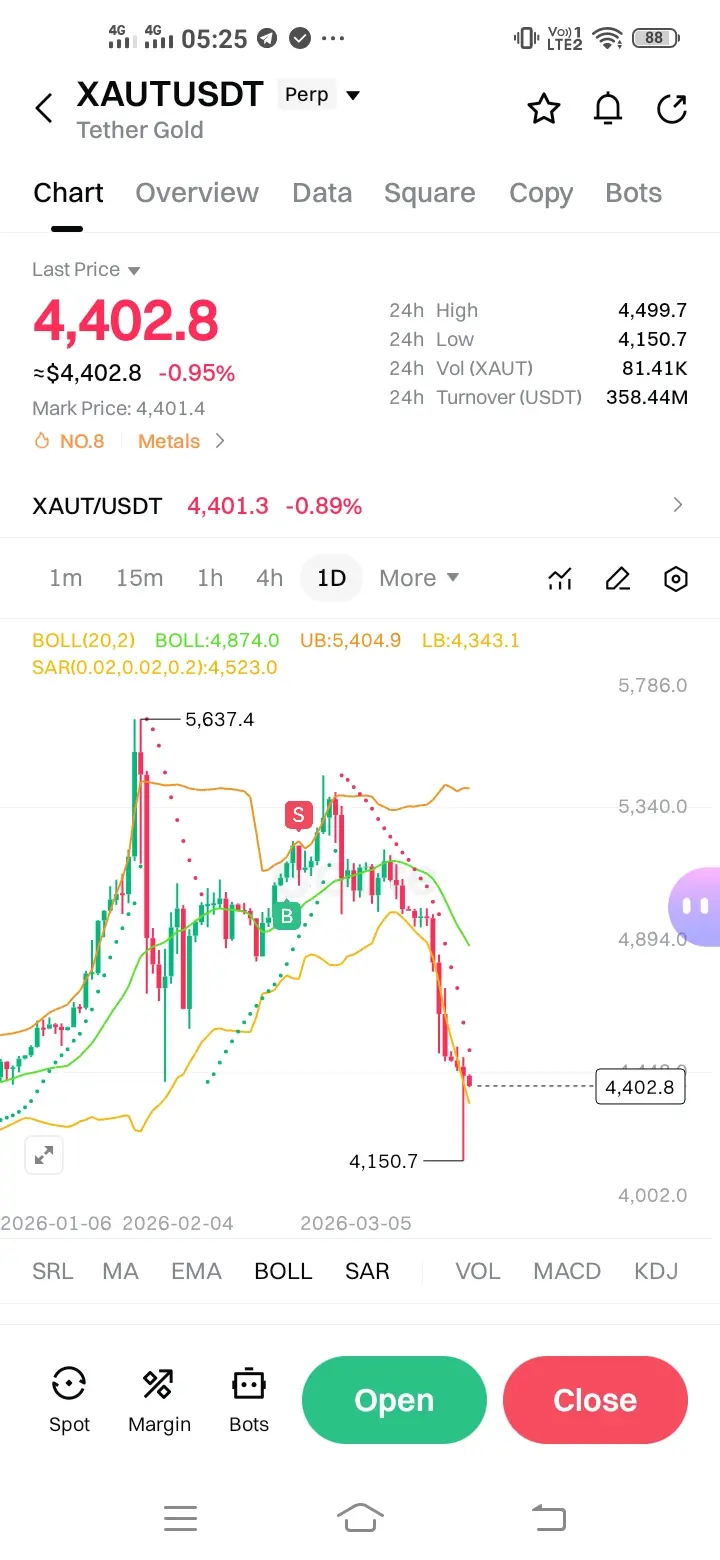
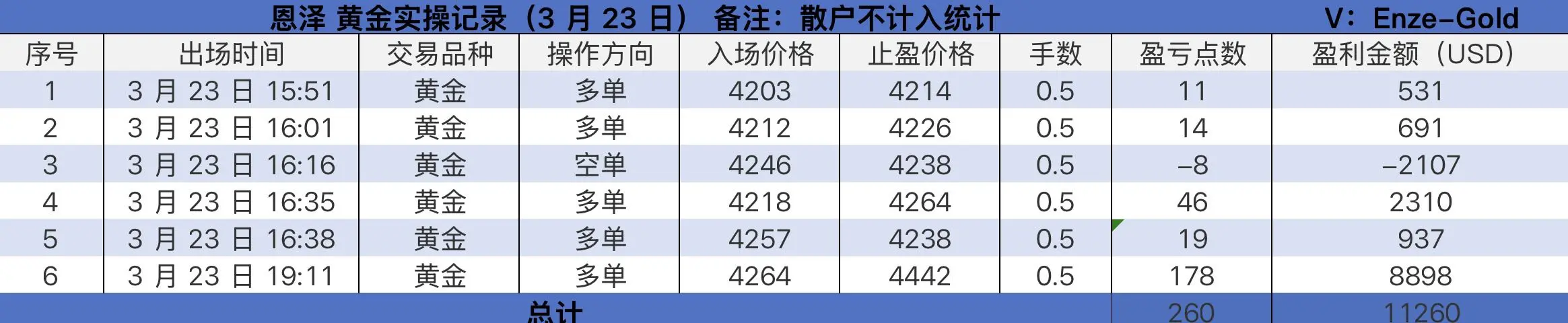
I'm afraid of big waves? The bigger the waves, the more expensive the fish! No need to say more, facts will speak for themselves!
Single day surge of 11260 dollars, used only a small 6 positions. You say you're scared and afraid to enter? Then you can only catch small fish and shrimp. Understand that this world rewards the brave, if you don't try, you'll never know how high you can fly!
Those who dare to try have already unlocked their own exclusive treasures on the journey.
$XAU $XAUT ‌ ‌
XAUT3,17%
post-image
  • Reward
  • 1
  • 1
  • Share
YounasTradervip:
2026 GOGOGO 👊
#NEXI NEXT BUY BACK BURN 🔥 COMPLETED
NEXI8,67%
post-image
  • Reward
  • 1
  • 1
  • Share
YounasTradervip:
To The Moon 🌕
Analyst Claims Bittensor (TAO) Could Outvalue Bitcoin (BTC): Here’s Why
TAO16,53%
BTC2,6%
  • Reward
  • Comment
  • Repost
  • Share
🚀 Big news from the crypto world!
Gate.io has officially integrated with Polymarket — making access to prediction markets easier than ever for traders.
What this partnership means:
✅ Faster, smarter trading ecosystem
✅ More opportunities to trade on real-world events
✅ Stronger connection between DeFi and prediction markets
The future of crypto and information-driven trading just got more exciting 🔥
#GateOfficiallyIntegratesPolymarket #CryptoNews #PredictionMarkets #Web3 #DeFi
DEFI1,55%
post-image
post-image
  • Reward
  • Comment
  • Repost
  • Share
good work
YounasTradervip
As Ethereum solidifies its position in the tokenization of traditional assets, the wealth of its co-founder Vitalik Buterin stands to benefit significantly. With an estimated net worth of approximately $479 million—driven primarily by his holdings of 224,000 ETH tokens—Buterin's asset valuation is intrinsically tied to the platform's market performance.
The recent surge in institutional interest from financial giants like JPMorgan and BlackRock in Ethereum-based tokenization projects reflects a broader shift toward blockchain integration in traditional finance. This institutional appetite is expected to accelerate ETH adoption and drive substantial price growth. As more Wall Street players enter the space, the infrastructure layer that Ethereum provides for asset tokenization becomes increasingly essential, suggesting potential appreciation in ETH's valuation.
At current pricing levels—ETH trading around $2.14K—Vitalik Buterin's net worth remains substantially anchored to Ethereum's performance. The convergence of institutional capital inflows and the platform's critical role in fintech infrastructure positions Ethereum, and by extension Buterin's substantial holdings, for potential significant upside. For observers tracking how founder wealth correlates with protocol success, Vitalik Buterin's net worth serves as a compelling indicator of Ethereum's expanding influence in reshaping global finance.

  • Reward
  • Comment
  • Repost
  • Share
📉 #GoldSeesLargestWeeklyDropIn43Years
A historic shake-up in the commodities market as gold records its biggest weekly decline in over four decades.
Shifting macro trends, stronger risk appetite, and changing rate expectations are reshaping safe-haven demand.
When fear cools, flows move.
Markets never stay still.
#GoldMarket #Commodities #MarketTrends #GlobalMarkets
  • Reward
  • Comment
  • Repost
  • Share
📉 #GoldSeesLargestWeeklyDropIn43Years
A historic shake-up in the commodities market as gold records its biggest weekly decline in over four decades.
Shifting macro trends, stronger risk appetite, and changing rate expectations are reshaping safe-haven demand.
When fear cools, flows move.
Markets never stay still.
#GoldMarket #Commodities #MarketTrends #GlobalMarkets
post-image
post-image
  • Reward
  • Comment
  • Repost
  • Share
🎯 #PolymarketBetsOnGlobalEvents
Prediction markets are heating up as users turn real-world events into real-time opportunities.
Platforms like Polymarket are transforming how people track politics, economics, and global trends — blending information with market-driven insights.
Where news meets probability, markets speak. 📊
#PredictionMarkets #CryptoUtility #Web3 #BlockchainUseCases
post-image
post-image
  • Reward
  • Comment
  • Repost
  • Share
📜 #ClarityActLatestDraft
A new step toward clearer crypto regulation is on the table.
The latest draft of the Clarity Act aims to define rules, reduce uncertainty, and create a more structured path for digital asset innovation.
Clarity brings confidence.
Confidence brings adoption.
Adoption drives the future. 🚀
#CryptoRegulation #DigitalAssets #BlockchainPolicy #CryptoNews
post-image
post-image
  • Reward
  • Comment
  • Repost
  • Share
🔥 #GateOfficiallyIntegratesPolymarket
Big move for prediction markets!
Gate.io officially integrates with Polymarket — unlocking smarter trading, real-time market insights, and expanded opportunities for users.
Where crypto trading meets prediction power. 📊⚡
Innovation keeps accelerating in Web3.
Stay ahead. Trade smarter. 🚀
post-image
  • Reward
  • Comment
  • Repost
  • Share
📈 #CryptoMarketClimbs
The market is gaining strength as buyers step back in and momentum builds across major coins.
Confidence is returning and bullish sentiment is spreading fast.
Green candles, rising volume, and fresh opportunities for smart traders.
Stay focused. Trade wisely. 🚀💰
post-image
post-image
  • Reward
  • Comment
  • Repost
  • Share
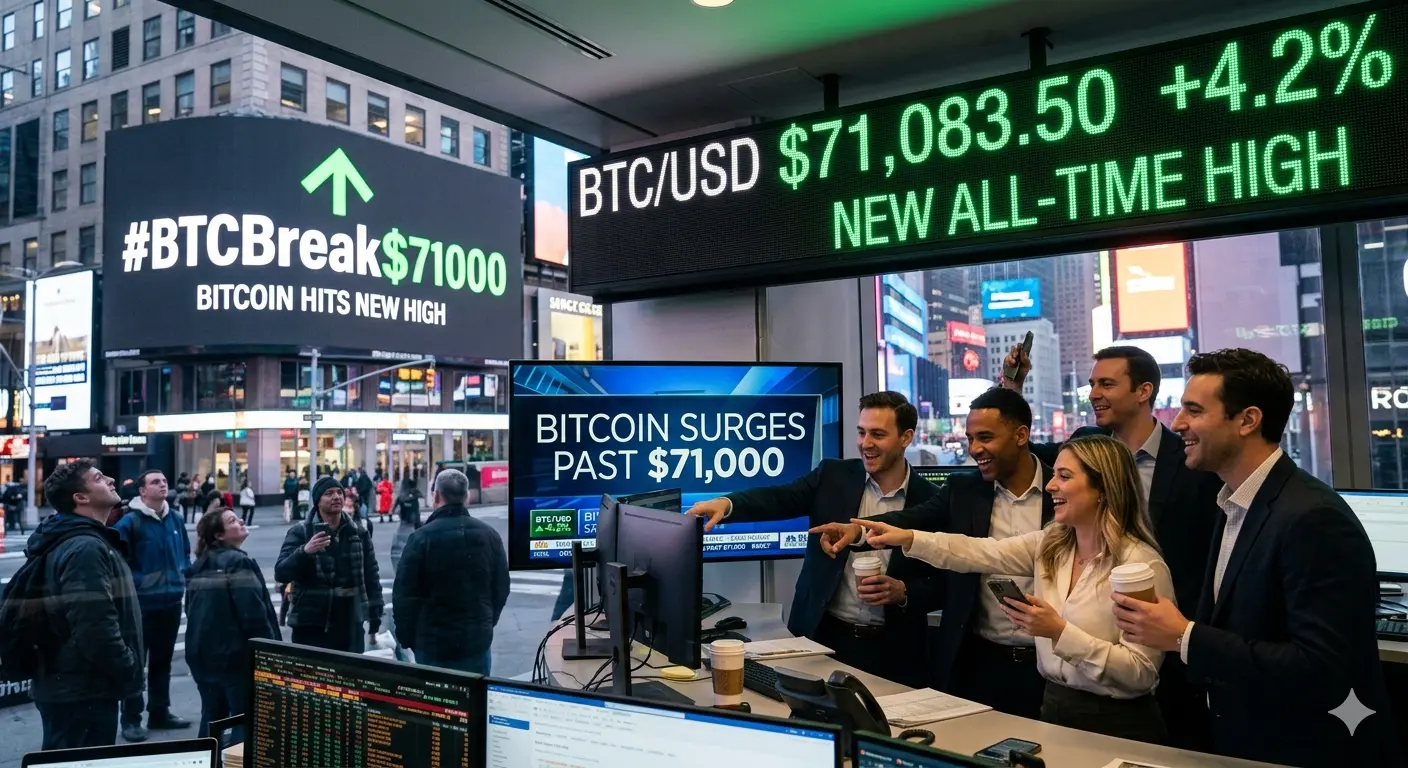
🚀 #BTCBreaks$71000
Bitcoin just smashed through the $71K level!
Momentum is strong, buyers are in control, and market sentiment is turning ultra bullish.
Is this the start of the next major leg up or a breakout fakeout? 👀
Traders watching resistance flips and volume closely.
Stay sharp. Manage risk. Opportunities everywhere. 💰📈
BTC2,6%
post-image
post-image
  • Reward
  • Comment
  • Repost
  • Share
good work
HotTradervip
Gate becomes the first centralized exchange (CEX) to integrate Polymarket, unlocking a new prediction trading experience for users.
The product is now in beta testing. From sports and crypto to macro trends, users simply select Yes/No to participate in global trending events and earn returns based on outcomes.
🔹 Support one-click login to Polymarket via App and Web3 wallet, easily participate in trading with USDT and USDC
🔹 Support viewing market details and executing trades quickly on the same page, no need to switch pages
🔹 After settlement, automatically exchange 1:1 for stablecoins and transfer to spot account
🔹 Through visualized probability and odds mechanisms, help users efficiently understand market expectations
Gate is making prediction markets more accessible, deeper, and more valuable. Going forward, Gate will continue to enrich the prediction market ecosystem, cover more global trending topics, and continuously upgrade trading tools and liquidity to create more possibilities and opportunities for users.
Learn more: https://www.gate.com/announcements/article/50377
repost-content-media
  • Reward
  • Comment
  • Repost
  • Share
good job
HotTradervip
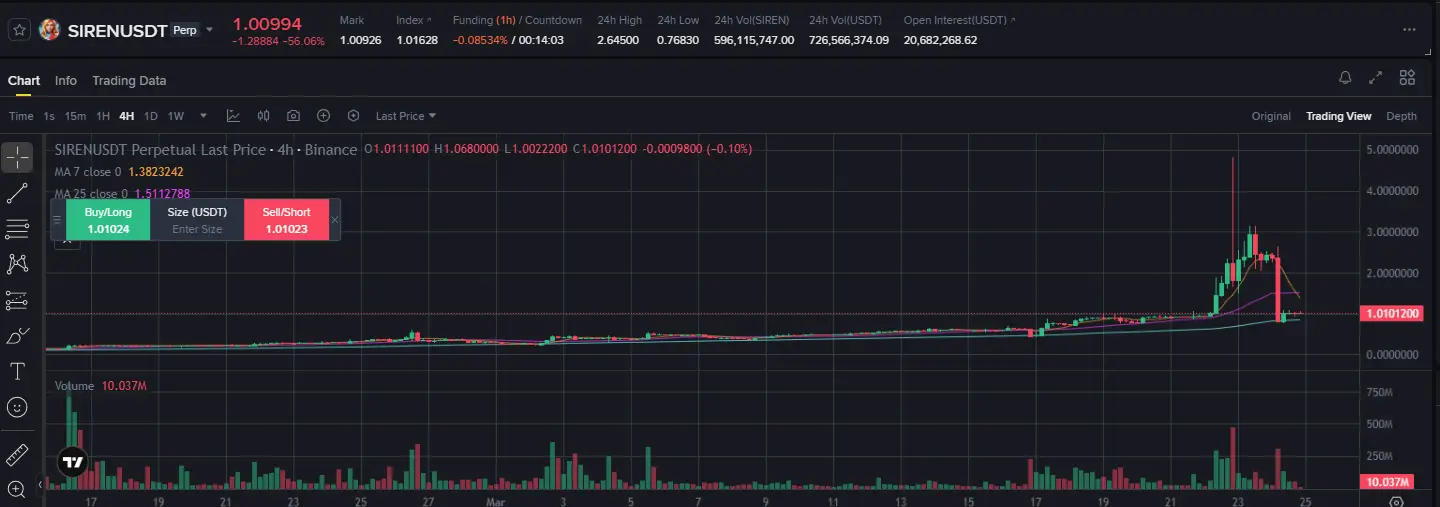
$SIREN $SIREN USDT
Entry Zone: 0.98 – 1.02
Targets: TP1 1.15 | TP2 1.35 | TP3 1.60
Stop Loss: 0.90
SIREN still in strong bullish mode after massive earlier pump, holding gains with high volume. Price above all MAs, parabolic structure intact despite small pullback. Momentum favors continuation if holds 1.02 zone. Targets next liquidity spikes. High volatility, trail stops tight!💫
repost-content-media
  • Reward
  • Comment
  • Repost
  • Share
good luck
HotTradervip
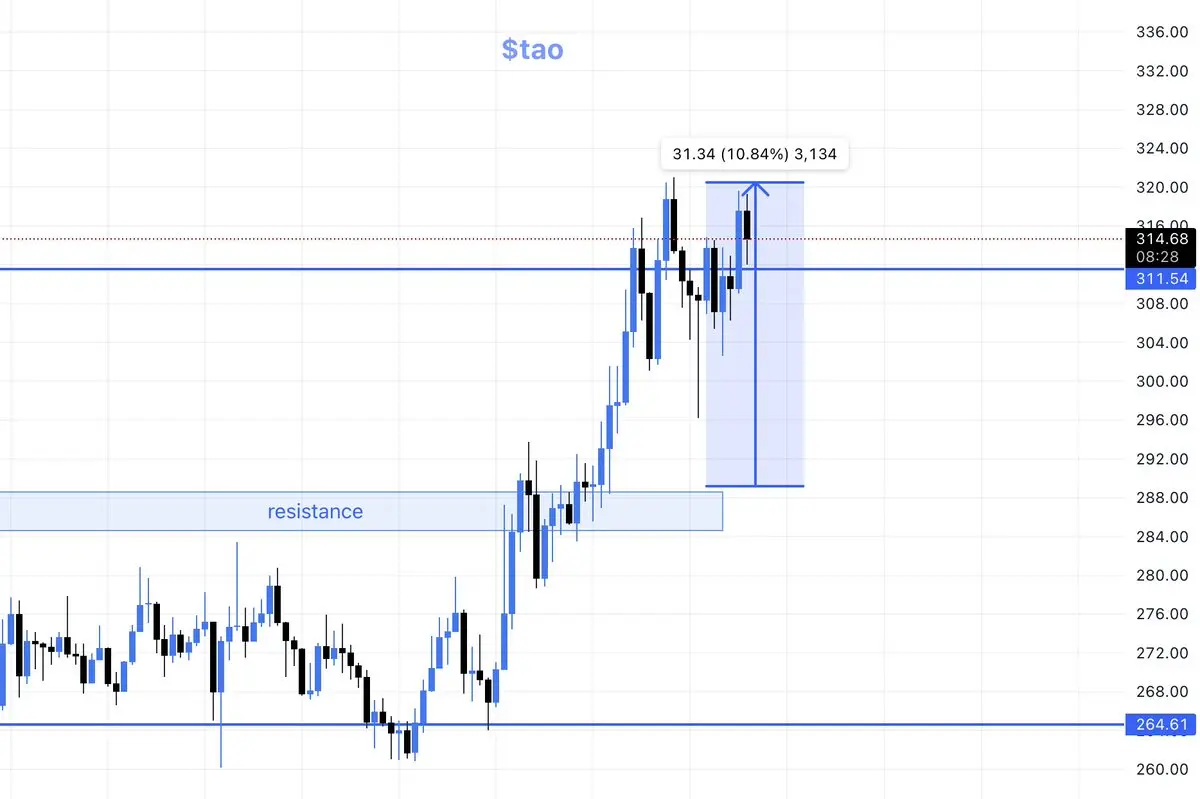
$TAO is strong today while $BTC drops 💪
repost-content-media
  • Reward
  • Comment
  • Repost
  • Share
good job
HotTradervip
JUST IN: The European Central Bank reiterated its vision for the bloc's financial future, if tokenization is to truly scale in the European Union, it will require more than just blockchain.
According to Piero Cipollone, its takeoff will depend on three key elements: a digital euro, cooperation with businesses, and legal harmonization, which is currently lacking among the 27 member states.
repost-content-media
  • Reward
  • Comment
  • Repost
  • Share
good job
HotTradervip
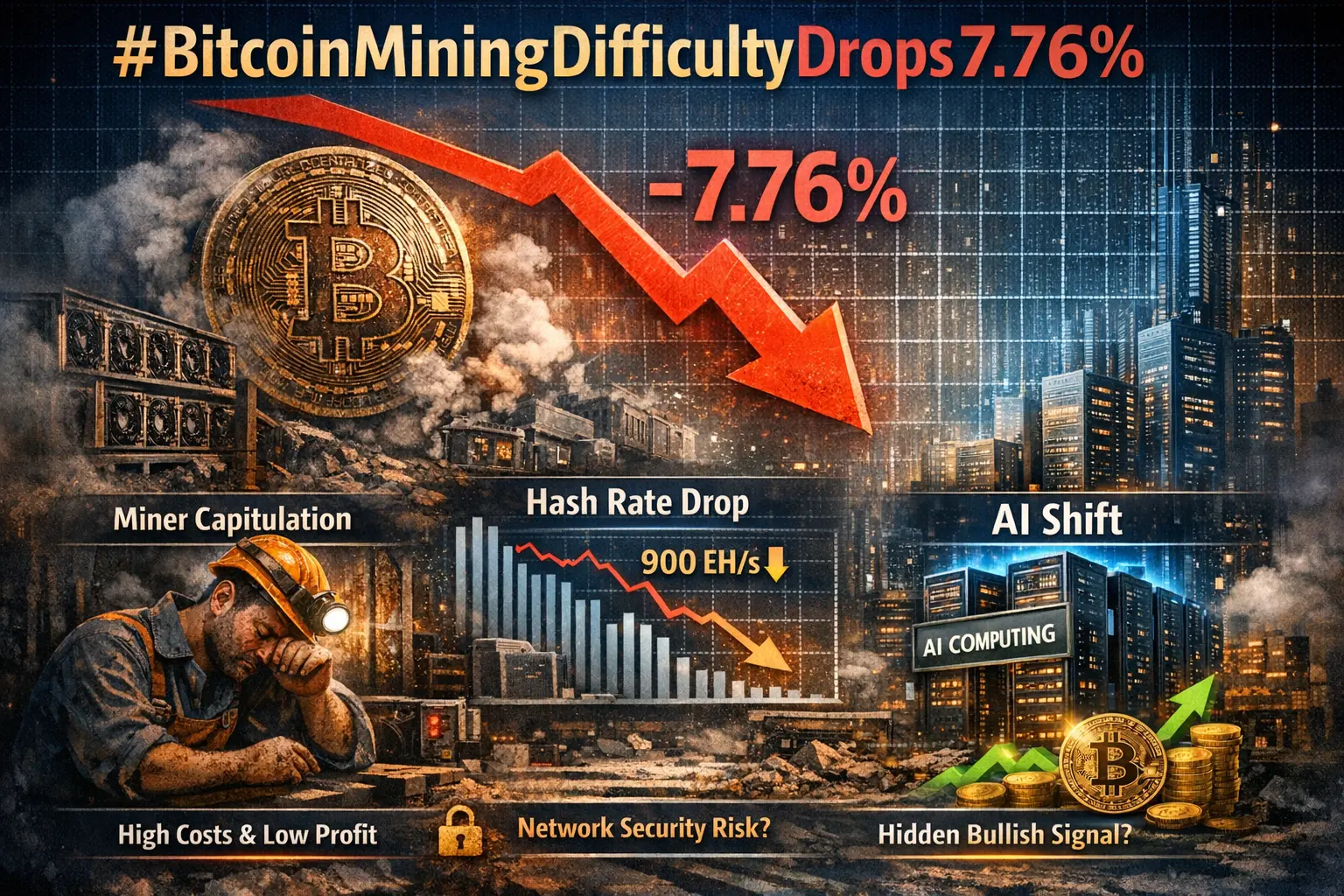
#BitcoinMiningDifficultyDrops7.76%
The recent 7.76 percent drop in mining difficulty of Bitcoin is not just a routine adjustment. It is a multi-layered signal reflecting economic stress, structural transformation, and evolving capital dynamics within the crypto mining ecosystem.
1. What Actually Happened
In the latest biweekly adjustment, Bitcoin mining difficulty fell to approximately 133.79 trillion, marking the second-largest decline of 2026
This adjustment occurred because:
Average block time slowed to ~12 minutes 36 seconds, above the target 10 minutes
Network hash rate declined significantly
Mining participation weakened
Bitcoin’s protocol automatically reduces difficulty when blocks are produced too slowly, restoring equilibrium.
2. Hash Rate Collapse — The Core Signal
The most critical underlying factor is the decline in hash rate, which reflects active mining power:
Hash rate dropped to roughly 900–940 EH/s, well below peak levels
It is now 20 percent+ below previous highs
This indicates:
Machines are being turned off
Mining farms are shutting down or downsizing
Network participation is shrinking
In simple terms: less competition → lower difficulty
3. Miner Capitulation — Economic Pressure
The drop strongly signals miner capitulation, a phase where weaker miners exit due to unprofitability.
Key pressures include:
1. Production Cost vs Market Price
Estimated mining cost: ~$77,000–$87,000
Bitcoin price: ~$70,000 range
👉 Many miners are operating below breakeven
2. Rising Energy Costs
Electricity remains the largest operational expense. High-cost regions are being forced out.
3. Falling Hashprice
Revenue per unit of hash power has dropped to near or below sustainable levels
Conclusion:
Only the most efficient miners survive. Others exit.
4. Structural Shift — AI vs Crypto Mining
This is where the story becomes deeper.
A major trend is emerging:
👉 Mining companies are shifting toward AI and high-performance computing
Examples:
Large firms reallocating infrastructure to AI workloads
Selling Bitcoin reserves to fund AI expansion
Why?
Bitcoin Mining
AI Computing
Volatile revenue
Stable contracts
Dependent on BTC price
Enterprise demand
High risk
Predictable cash flow
This represents a capital migration from crypto to AI infrastructure
5. Network Security — Is Bitcoin at Risk?
Despite the decline, the network remains resilient due to Proof of Work.
However:
Short-Term Risks
Lower hash rate = slightly reduced security margin
Increased centralization risk if only large players remain
Long-Term Strength
Automatic difficulty adjustment stabilizes block production
Incentives remain aligned for miners to return
👉 Bitcoin is adaptive, not fragile
6. Supply Dynamics — Hidden Bullish Signal?
An overlooked factor:
Miners are selling most newly mined BTC to survive
This creates constant sell pressure
But here’s the twist:
👉 Once weak miners exit:
Selling pressure reduces
Strong miners accumulate more rewards
Historically, such phases often precede:
Market stabilization
Potential bullish reversals
7. Cyclical vs Structural Breakdown
This event is a mix of two forces:
Cyclical Factors
Price volatility
Energy costs
Temporary shutdowns
Structural Factors
Shift to AI computing
Institutional mining consolidation
Changing revenue models
👉 This is not just a dip — it's an evolution phase
8. What Comes Next
Data suggests:
Next adjustment may increase difficulty slightly (~4–5 percent)
This means some miners may return
Key scenarios:
Bullish Scenario
Price rises above production cost
Hash rate recovers
Difficulty increases
Bearish Scenario
More miners exit
Hash rate declines further
Difficulty keeps dropping
9. Strategic Insight for Traders
For traders like you focusing on price action:
Watch These Indicators:
Difficulty trend
Hash rate recovery
Miner selling behavior
Key Insight:
👉 Mining stress often appears before major market moves
It acts as a leading indicator, not a lagging one.
Final Verdict
The 7.76 percent drop in Bitcoin mining difficulty is not a random fluctuation. It is a convergence of economic pressure, technological transition, and capital reallocation.
Weak miners are exiting
Strong players are consolidating
Industry is shifting toward AI
Network remains adaptive
In essence:
👉 This is a stress test phase for Bitcoin’s mining economy
👉 And historically, such phases often precede major directional moves
repost-content-media
  • Reward
  • Comment
  • Repost
  • Share
good job
HotTradervip
#BitcoinMiningDifficultyDrops7.76%
The recent 7.76 percent drop in mining difficulty of Bitcoin is not just a routine adjustment. It is a multi-layered signal reflecting economic stress, structural transformation, and evolving capital dynamics within the crypto mining ecosystem.
1. What Actually Happened
In the latest biweekly adjustment, Bitcoin mining difficulty fell to approximately 133.79 trillion, marking the second-largest decline of 2026
This adjustment occurred because:
Average block time slowed to ~12 minutes 36 seconds, above the target 10 minutes
Network hash rate declined significantly
Mining participation weakened
Bitcoin’s protocol automatically reduces difficulty when blocks are produced too slowly, restoring equilibrium.
2. Hash Rate Collapse — The Core Signal
The most critical underlying factor is the decline in hash rate, which reflects active mining power:
Hash rate dropped to roughly 900–940 EH/s, well below peak levels
It is now 20 percent+ below previous highs
This indicates:
Machines are being turned off
Mining farms are shutting down or downsizing
Network participation is shrinking
In simple terms: less competition → lower difficulty
3. Miner Capitulation — Economic Pressure
The drop strongly signals miner capitulation, a phase where weaker miners exit due to unprofitability.
Key pressures include:
1. Production Cost vs Market Price
Estimated mining cost: ~$77,000–$87,000
Bitcoin price: ~$70,000 range
👉 Many miners are operating below breakeven
2. Rising Energy Costs
Electricity remains the largest operational expense. High-cost regions are being forced out.
3. Falling Hashprice
Revenue per unit of hash power has dropped to near or below sustainable levels
Conclusion:
Only the most efficient miners survive. Others exit.
4. Structural Shift — AI vs Crypto Mining
This is where the story becomes deeper.
A major trend is emerging:
👉 Mining companies are shifting toward AI and high-performance computing
Examples:
Large firms reallocating infrastructure to AI workloads
Selling Bitcoin reserves to fund AI expansion
Why?
Bitcoin Mining
AI Computing
Volatile revenue
Stable contracts
Dependent on BTC price
Enterprise demand
High risk
Predictable cash flow
This represents a capital migration from crypto to AI infrastructure
5. Network Security — Is Bitcoin at Risk?
Despite the decline, the network remains resilient due to Proof of Work.
However:
Short-Term Risks
Lower hash rate = slightly reduced security margin
Increased centralization risk if only large players remain
Long-Term Strength
Automatic difficulty adjustment stabilizes block production
Incentives remain aligned for miners to return
👉 Bitcoin is adaptive, not fragile
6. Supply Dynamics — Hidden Bullish Signal?
An overlooked factor:
Miners are selling most newly mined BTC to survive
This creates constant sell pressure
But here’s the twist:
👉 Once weak miners exit:
Selling pressure reduces
Strong miners accumulate more rewards
Historically, such phases often precede:
Market stabilization
Potential bullish reversals
7. Cyclical vs Structural Breakdown
This event is a mix of two forces:
Cyclical Factors
Price volatility
Energy costs
Temporary shutdowns
Structural Factors
Shift to AI computing
Institutional mining consolidation
Changing revenue models
👉 This is not just a dip — it's an evolution phase
8. What Comes Next
Data suggests:
Next adjustment may increase difficulty slightly (~4–5 percent)
This means some miners may return
Key scenarios:
Bullish Scenario
Price rises above production cost
Hash rate recovers
Difficulty increases
Bearish Scenario
More miners exit
Hash rate declines further
Difficulty keeps dropping
9. Strategic Insight for Traders
For traders like you focusing on price action:
Watch These Indicators:
Difficulty trend
Hash rate recovery
Miner selling behavior
Key Insight:
👉 Mining stress often appears before major market moves
It acts as a leading indicator, not a lagging one.
Final Verdict
The 7.76 percent drop in Bitcoin mining difficulty is not a random fluctuation. It is a convergence of economic pressure, technological transition, and capital reallocation.
Weak miners are exiting
Strong players are consolidating
Industry is shifting toward AI
Network remains adaptive
In essence:
👉 This is a stress test phase for Bitcoin’s mining economy
👉 And historically, such phases often precede major directional moves
repost-content-media
  • Reward
  • Comment
  • Repost
  • Share
good job
HotTradervip
#BitcoinMiningDifficultyDrops7.76%
The recent 7.76 percent drop in mining difficulty of Bitcoin is not just a routine adjustment. It is a multi-layered signal reflecting economic stress, structural transformation, and evolving capital dynamics within the crypto mining ecosystem.
1. What Actually Happened
In the latest biweekly adjustment, Bitcoin mining difficulty fell to approximately 133.79 trillion, marking the second-largest decline of 2026
This adjustment occurred because:
Average block time slowed to ~12 minutes 36 seconds, above the target 10 minutes
Network hash rate declined significantly
Mining participation weakened
Bitcoin’s protocol automatically reduces difficulty when blocks are produced too slowly, restoring equilibrium.
2. Hash Rate Collapse — The Core Signal
The most critical underlying factor is the decline in hash rate, which reflects active mining power:
Hash rate dropped to roughly 900–940 EH/s, well below peak levels
It is now 20 percent+ below previous highs
This indicates:
Machines are being turned off
Mining farms are shutting down or downsizing
Network participation is shrinking
In simple terms: less competition → lower difficulty
3. Miner Capitulation — Economic Pressure
The drop strongly signals miner capitulation, a phase where weaker miners exit due to unprofitability.
Key pressures include:
1. Production Cost vs Market Price
Estimated mining cost: ~$77,000–$87,000
Bitcoin price: ~$70,000 range
👉 Many miners are operating below breakeven
2. Rising Energy Costs
Electricity remains the largest operational expense. High-cost regions are being forced out.
3. Falling Hashprice
Revenue per unit of hash power has dropped to near or below sustainable levels
Conclusion:
Only the most efficient miners survive. Others exit.
4. Structural Shift — AI vs Crypto Mining
This is where the story becomes deeper.
A major trend is emerging:
👉 Mining companies are shifting toward AI and high-performance computing
Examples:
Large firms reallocating infrastructure to AI workloads
Selling Bitcoin reserves to fund AI expansion
Why?
Bitcoin Mining
AI Computing
Volatile revenue
Stable contracts
Dependent on BTC price
Enterprise demand
High risk
Predictable cash flow
This represents a capital migration from crypto to AI infrastructure
5. Network Security — Is Bitcoin at Risk?
Despite the decline, the network remains resilient due to Proof of Work.
However:
Short-Term Risks
Lower hash rate = slightly reduced security margin
Increased centralization risk if only large players remain
Long-Term Strength
Automatic difficulty adjustment stabilizes block production
Incentives remain aligned for miners to return
👉 Bitcoin is adaptive, not fragile
6. Supply Dynamics — Hidden Bullish Signal?
An overlooked factor:
Miners are selling most newly mined BTC to survive
This creates constant sell pressure
But here’s the twist:
👉 Once weak miners exit:
Selling pressure reduces
Strong miners accumulate more rewards
Historically, such phases often precede:
Market stabilization
Potential bullish reversals
7. Cyclical vs Structural Breakdown
This event is a mix of two forces:
Cyclical Factors
Price volatility
Energy costs
Temporary shutdowns
Structural Factors
Shift to AI computing
Institutional mining consolidation
Changing revenue models
👉 This is not just a dip — it's an evolution phase
8. What Comes Next
Data suggests:
Next adjustment may increase difficulty slightly (~4–5 percent)
This means some miners may return
Key scenarios:
Bullish Scenario
Price rises above production cost
Hash rate recovers
Difficulty increases
Bearish Scenario
More miners exit
Hash rate declines further
Difficulty keeps dropping
9. Strategic Insight for Traders
For traders like you focusing on price action:
Watch These Indicators:
Difficulty trend
Hash rate recovery
Miner selling behavior
Key Insight:
👉 Mining stress often appears before major market moves
It acts as a leading indicator, not a lagging one.
Final Verdict
The 7.76 percent drop in Bitcoin mining difficulty is not a random fluctuation. It is a convergence of economic pressure, technological transition, and capital reallocation.
Weak miners are exiting
Strong players are consolidating
Industry is shifting toward AI
Network remains adaptive
In essence:
👉 This is a stress test phase for Bitcoin’s mining economy
👉 And historically, such phases often precede major directional moves
repost-content-media
  • Reward
  • Comment
  • Repost
  • Share
  • Pin