Bitcoin financial services company Fold reported a net loss of $69.6 million in its 2025 report, with its stock price falling to $1.07. The company's core strategy for expanding its customer base is launching a bitcoin rewards credit card, and it is continuing to advance in enterprise solutions. The expanded losses are primarily due to business expansion costs and debt repayment. Fold currently holds 1527 bitcoins, demonstrating its long-term development direction.
The White House's recently registered domain aliens.gov currently has no content. Experts speculate it may be related to Trump's announcement of a government plan to publicly release UFO files. This has drawn widespread attention, especially following Obama's remarks about the existence of extraterrestrials, which sparked a surge in UFO-related topics. Some commentators believe this could be a political maneuver. The Pentagon's UFO investigation has not yet yielded any major discoveries, and the domain's future use remains to be seen.
PiRC-101 is a governance proposal for Pi Network aimed at maintaining the purchasing power of Pi tokens through an internal valuation mechanism and managing token dilution issues. The proposal has sparked controversy as the valuation benchmark is considered high and lacks transparency. Supporters believe it can promote trust and utility, while critics worry about its feasibility and impact on decentralization principles. The proposal is currently under review and has not yet affected network operations.
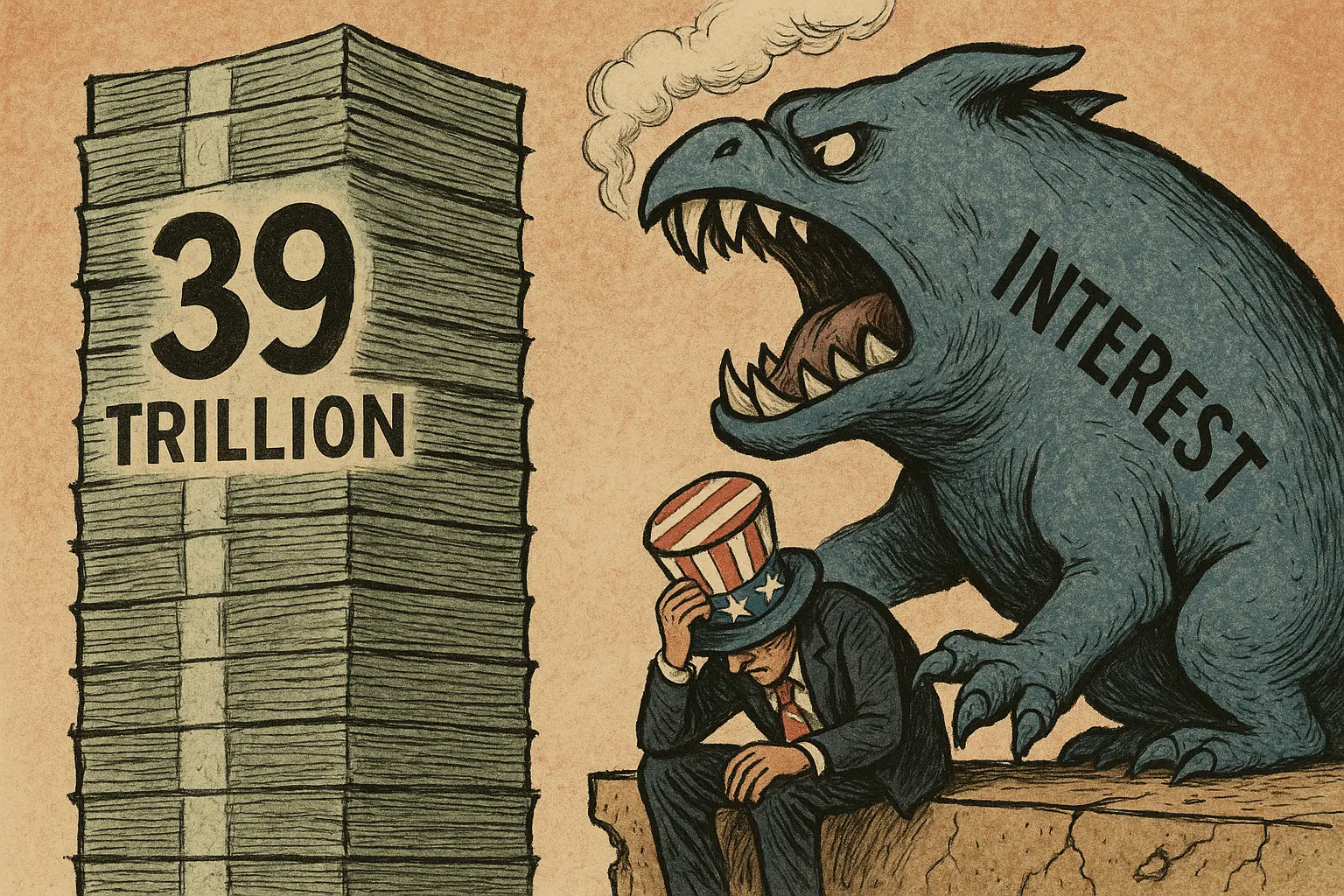
US national debt broke through $39 trillion in early March, reigniting discussions about fiscal stability. Budget deficits and large-scale spending programs have accelerated debt expansion, causing government interest expenditures to squeeze investment space. This situation has sparked market interest in assets like Bitcoin, though their short-term trends are not necessarily stable. Policymakers face choices in cutting spending, raising taxes, or continuing borrowing, with structural reforms viewed as a long-term solution, but implementation is challenging.
Taiwan's FSC is assessing the feasibility of changing the stock trading unit from 1,000 shares to 1 share and opening fractional share day trading. This reform aims to address current systemic inequities, enhance investor trading flexibility, including synchronizing matching times with the broader market and day trading eligibility. Stakeholders have divergent views on the reform, with primary considerations being system conversion costs and market impacts. If the assessment supports the reform, relevant regulations or laws may need to be amended.
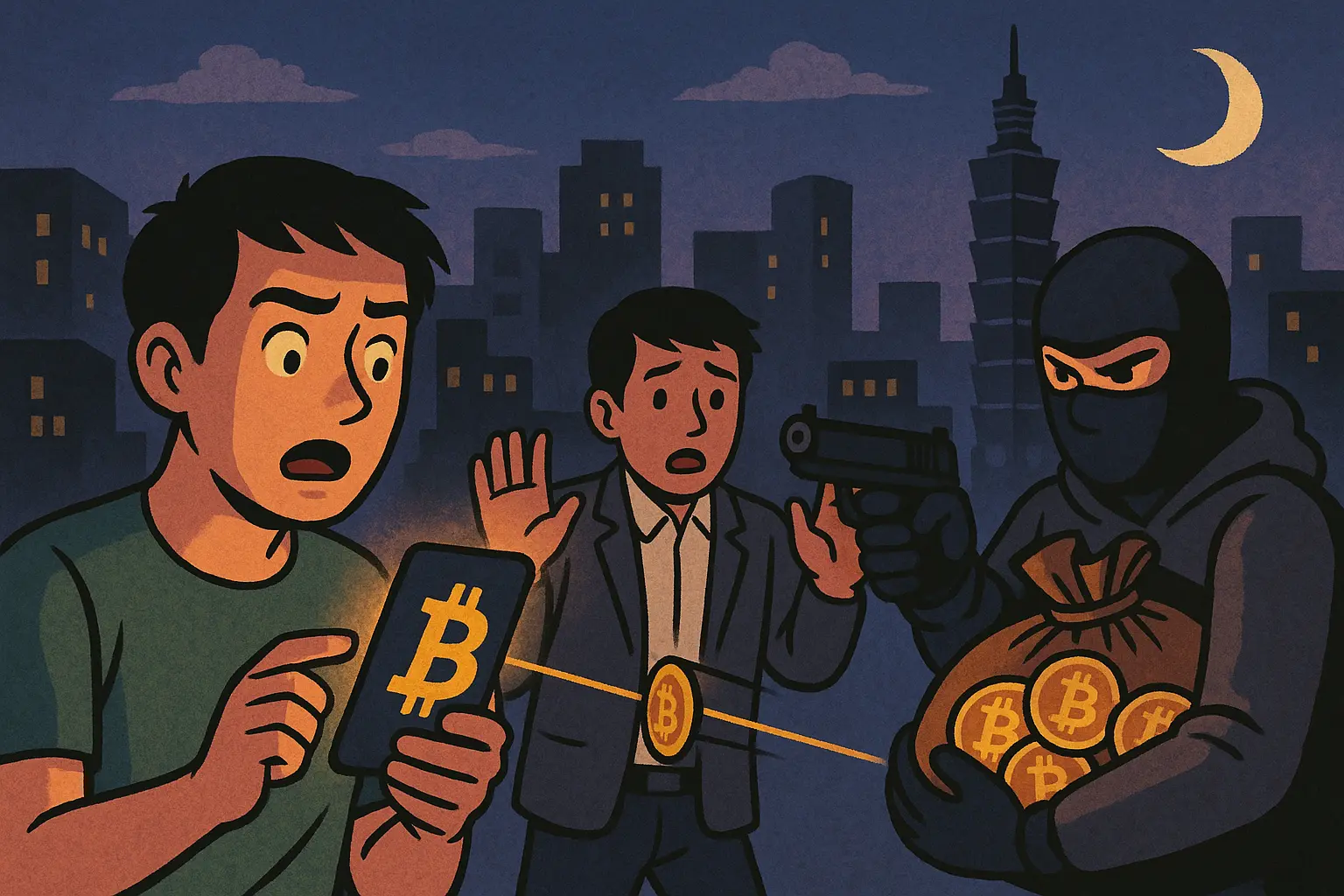
Taipei has experienced three cryptocurrency robbery cases in a short period, with criminal syndicates using various persuasion tactics on social media to lure victims into face-to-face USDT transactions, followed by robbery. Police remind the public that transactions must be conducted through legal exchanges to avoid risks. Some criminal groups have even used AI to create fake accounts and spread false information, misleading the public into participating in illegal transactions.