This text is already in Traditional Chinese. Here it is unchanged:
菲律宾总统费迪南德·马科斯宣布国家进入能源紧急状态,以应对中东冲突对能源供应的威胁。全球多个依赖进口能源的国家也采取了紧缩措施,反映出能源供应链的脆弱性和冲突对国际市场的影响。
International Energy Agency Director Birol stated in Tokyo that in the face of soaring global energy prices, preparations will be made to further release oil reserves. Previously, Japan's Prime Minister requested readiness for a second emergency release. The IEA has announced the release of 400 million barrels of oil and warned that global energy security faces severe threats.
Deutsche Bank report analyzes the current state of the petrodollar system, pointing out that it faced pressure even before the war. Factors such as U.S. energy independence, petrocurrency trends, and shaken trust in the Gulf region pose challenges to the system, leading to increased oil flows to Asia and more non-dollar transactions in the Middle East.
Reuters/Ipsos latest polling shows Trump's approval rating at its lowest, with only 36% approving of his job performance. Economic management and cost of living issues have significantly worsened public sentiment, with only 25% of respondents approving of Trump's handling of these issues.
Gate News 消息,3 月 25 日,OpenAI COO Brad Lightcap 在華盛頓 Hill and Valley Forum 上表示,內存芯片短缺是當前 AI 基礎設施擴張的首要瓶頸:「現在是內存。過去是電力。」科技公司正消耗越來越多的內存芯片產能,大量採購英偉達 AI 加速器是主因。內存短缺已從 AI 行業蔓延至消費電子和汽車領域。
Gate News reports that on March 25, driven by a significant decline in oil prices and expectations of easing tensions in the Middle East, gold prices rebounded. Spot gold rose approximately 2.56% to $4,588 per ounce, while April delivery gold futures surged over 4% to $4,597.7.
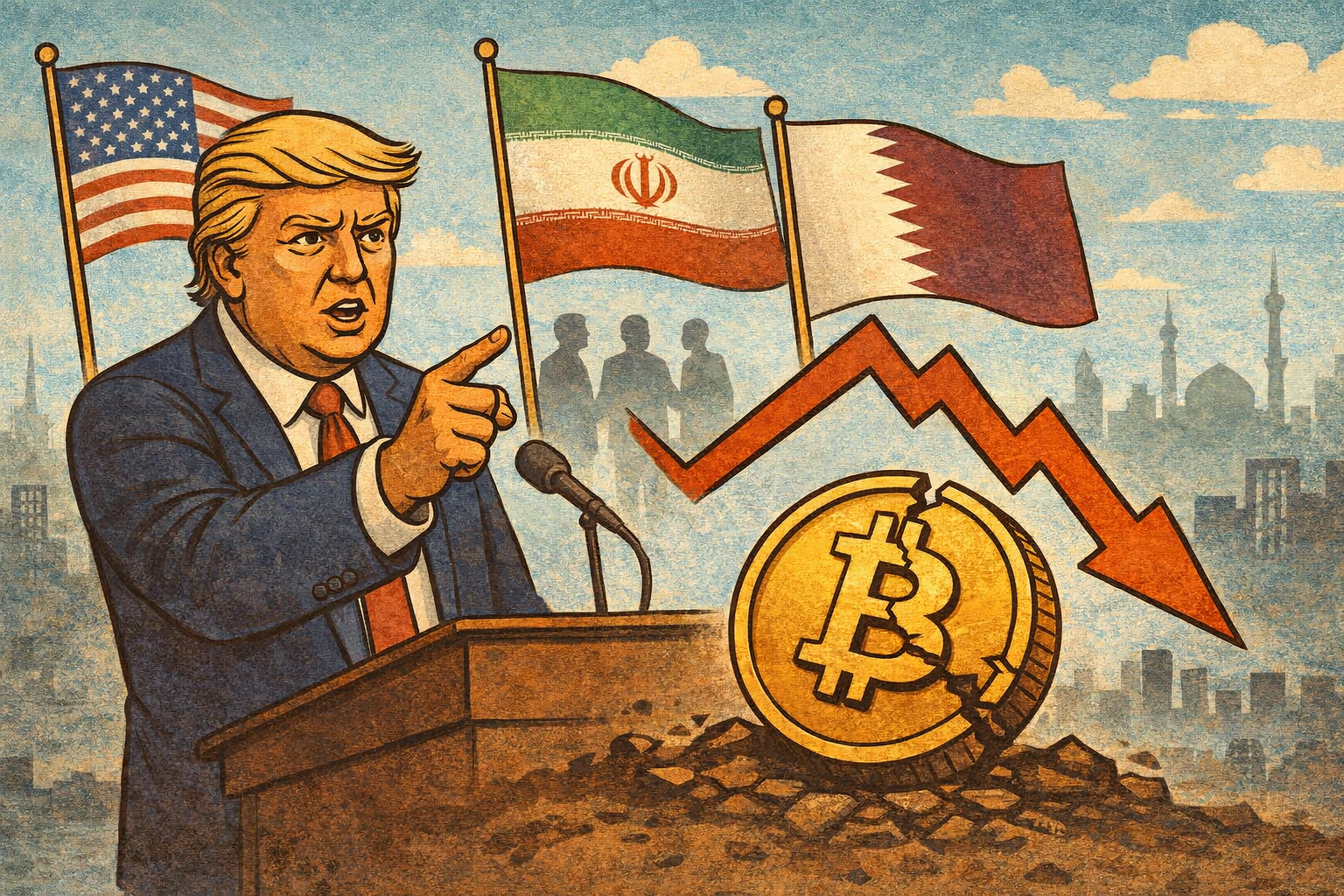
Bitcoin again tests $67,500 support level, gold prices pull back sharply, market reduces risk assets due to concerns about Iran conflicts and inflation impact. US Treasury yields rise, showing investors shifting to cash amid economic uncertainty.
March 25th, Federal Reserve Governor Barr stated that interest rates may need to remain stable to address inflation above the 2% target. He supported last week's decision to hold rates steady, saying that the Middle East situation and rising oil prices have increased economic uncertainty and added to inflation risks.